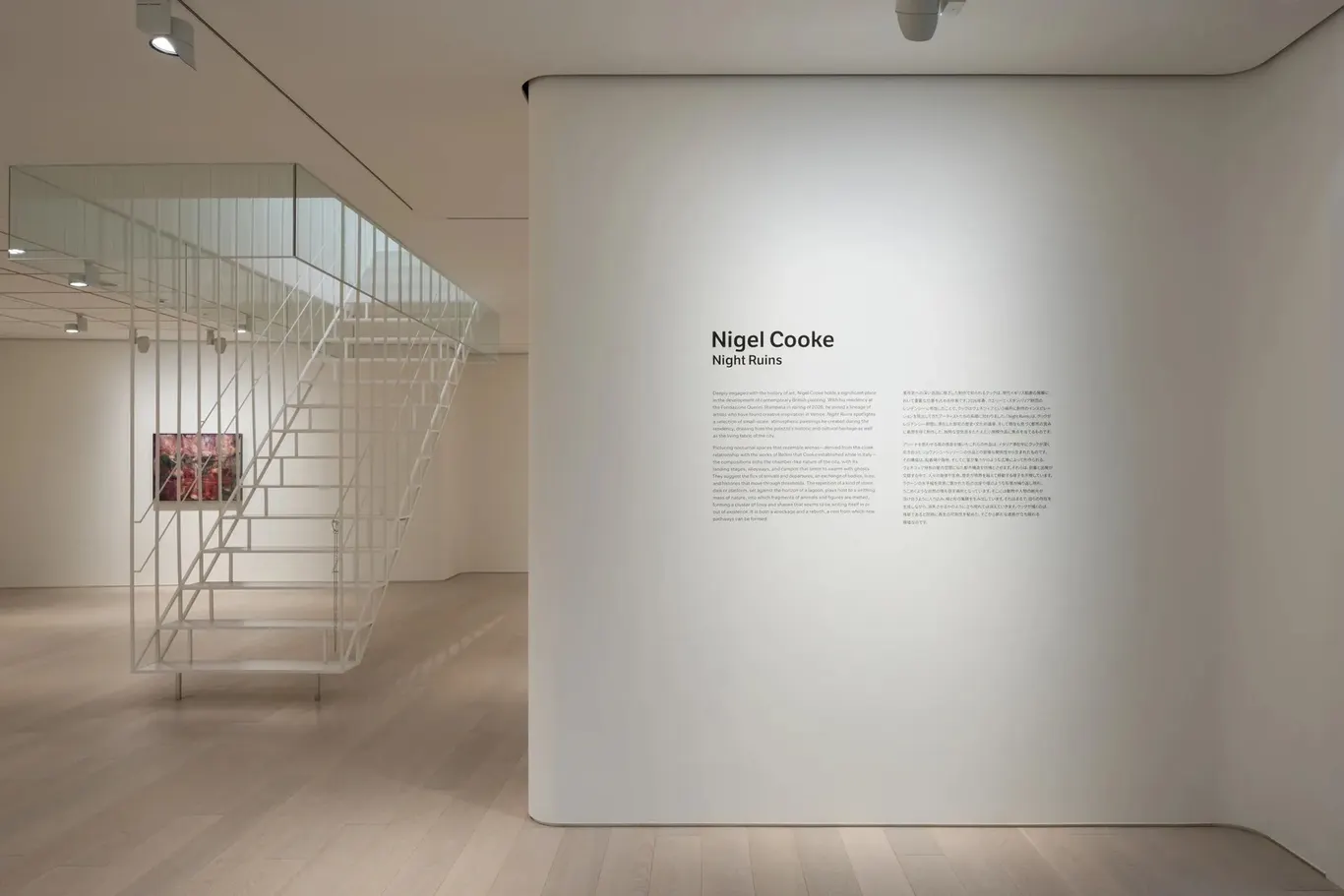
Nigel Cooke
August 28 to October 10, 2026
Pace Gallery, 1F; Azabudai Hills Garden Plaza-A, 5-8-1 Toranomon, Minato-kuTuesday – Sunday 11am – 8pm
Pace will present Night Ruins, an exhibition of new paintings by Nigel Cooke, at its gallery in Tokyo from August 28 through October 10. Cooke’s first solo presentation in Tokyo, Night Ruins will feature a selection of small-scale, atmospheric paintings he created during his tenure at the Fondazione Querini Stampalia’s first-ever artist residency in Venice, Italy.
Deeply engaged with the history of art, Cooke holds a significant place in the development of contemporary British painting. With his residency at the Fondazione Querini Stampalia in spring of 2026, he joined a lineage of artists who have found creative inspiration in Venice. Conceived as a period of immersion in the floating city and its storied lagoon, canals, and singular conditions of light, the residency afforded Cooke the opportunity to create a series of nuanced, richly hued paintings that draw from the palazzo’s historic and cultural heritage, as well as the living fabric of the city.Night Ruins builds on Cooke’s ongoing exhibition Bad Habits—organized on the occasion of the 61st International Art Exhibition - La Biennale di Venezia and curated by Evelyn C. Hankins—which spotlights a group of these works in the building in which they were conceived. His exhibition in Japan will present an expanded range of paintings from the same series, highlighting their multi-layered connection with time and powerfully enigmatic spirit in the context of the modern city of Tokyo.In Cooke’s words, “This sequence of works offer alternatives on a core set of my concerns, but also of the spaces created in the larger paintings in Bad Habits—tributaries that run from a source, fragments that break from a whole.” The paintings follow each other in a diaristic conversation with Venice, establishing closely related compositions in which forms repeat and fade over time. “No matter how abstract they may appear,” writes Hankins, they “are always grounded in figuration, which, while often latent or fleeting in the final canvas, is never fully expunged.”Picturing nocturnal spaces that resemble arenas—derived from the close relationship with the works of Bellini that Cooke established while in Italy—the compositions echo the chamber-like nature of the city, with its landing stages, alleyways, and campos that seem to swarm with ghosts. They suggest the flux of arrivals and departures, an exchange of bodies, lives, and histories that move through thresholds. The repetition of a kind of stone dais or platform, set against the horizon of a lagoon, plays host to a writhing mass of nature, into which fragments of animals and figures are melted, forming a cluster of lines and shapes that seems to be writing itself in or out of existence. It is both a wreckage and a rebirth, a ruin from which new pathways can be formed.While in Venice, Cooke was also drawn to its prominent stone labyrinths and windows. “In their consistent size,” he says, “these paintings are like windows onto my painting process in Venice as it unfolded. They detail my changing preoccupations and unfolding ideas, capturing these moments as they arise and trapping them for future reference, while maintaining a distinct openness of execution.” The sense of freshness and immediacy in these works is partly inspired by the newly restored Tintoretto paintings in the Gallerie dell’Accademia, loosely executed works on biblical themes, including The Creation of Animals (c. 1551–1552), in which a host of creatures crawls from the sea in a scene that preempts Darwin. The immediacy and visual delight of this work was the emotional driving force of Cooke’s small paintings, informing their execution while spotlighting the idea of nature emerging from myth—not unlike the making of paintings in general.To accompany these paintings, Night Ruins will also feature a suite of gouaches on paper from the artist’s Sea Mirror series. Created on the Spanish island of Formentera, these works incorporate seawater as a material in their production, imbuing each work with the spirit and rhythm of the Mediterranean Sea. Deeply tied to place, like the Venice paintings, they speak to Cooke’s enduring practice of distilling his impressions of specific geographies into a personal vocabulary of forms that evolves and repeats through time.A related painting by Cooke, Nemesis (2026)—exhibited at Art Basel earlier this year—will feature in a upcoming group exhibition at Ueshima Museum in Tokyo beginning September 1.
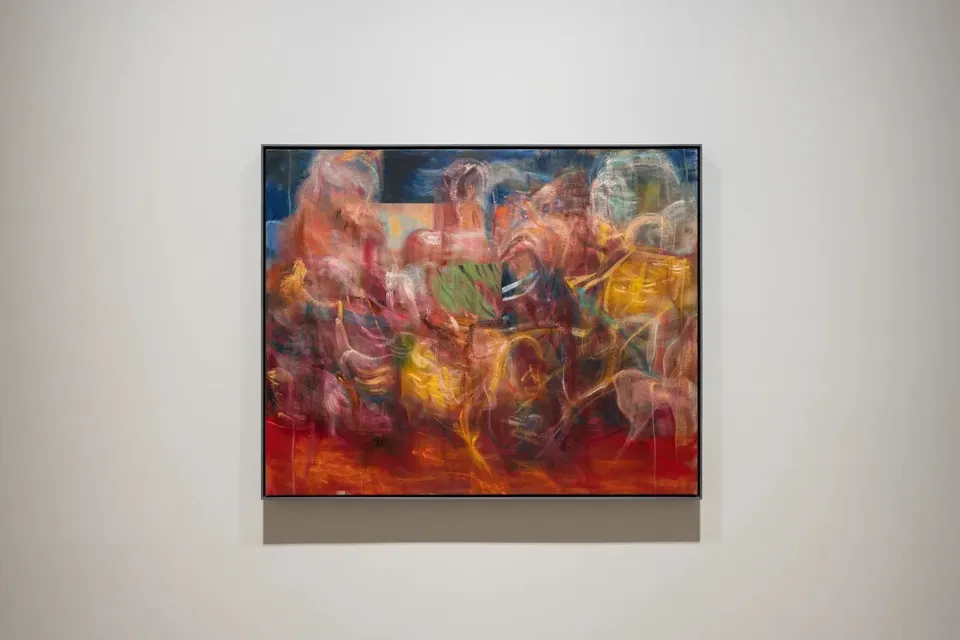
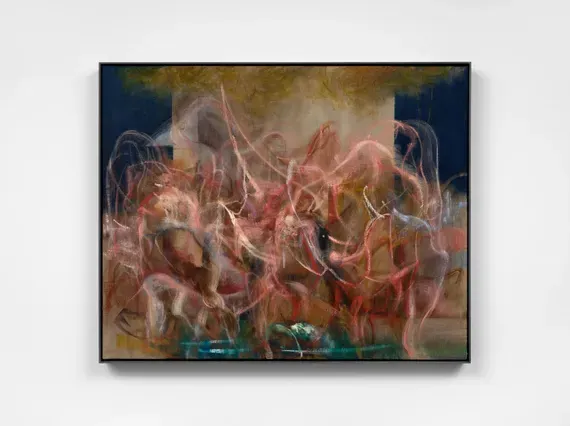
Nigel Cooke
I was the Ghost
2026
Oil on linen
80 x 100 cm82 x 102 cm (incl frame)
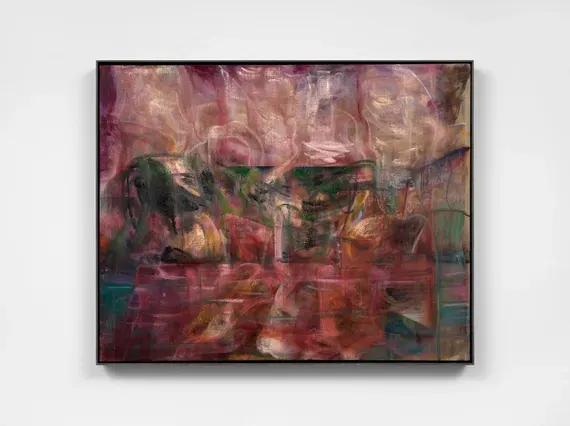
Nigel Cooke
Night Crossing
2026
Oil on linen
80 x 100 cm
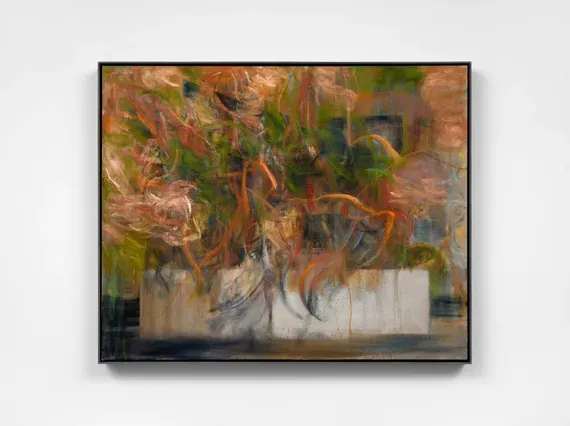
Nigel Cooke
Primavera
2026
Oil on linen
80 x 100 cm
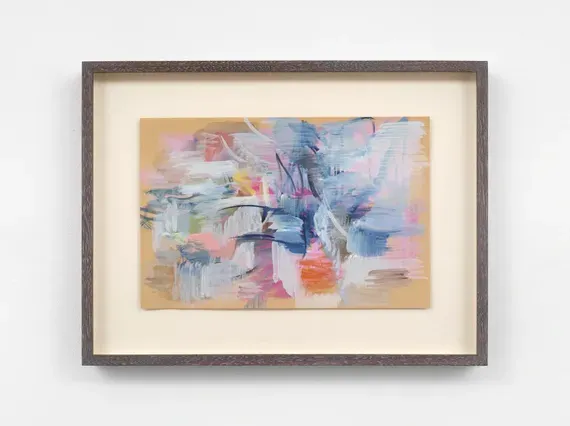
Nigel Cooke
Sea Mirror 11
2024
Gouache on paper
17 x 26 cm26.2 x 36.3 cm (incl frame)
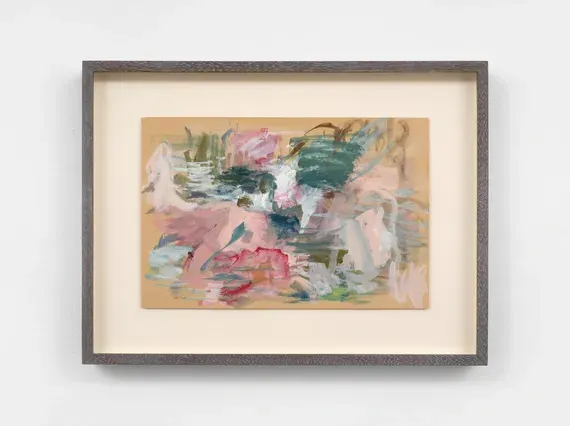
Nigel Cooke
Sea Mirror 7
2024
Gouache on paper
17 x 26 cm27.2 x 36.3 cm (incl frame)
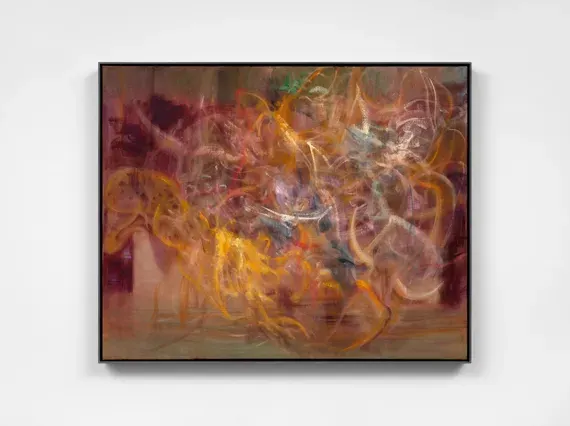
Nigel Cooke
The Discovery of Fire
2026
Oil on linen
80 x 100 cm
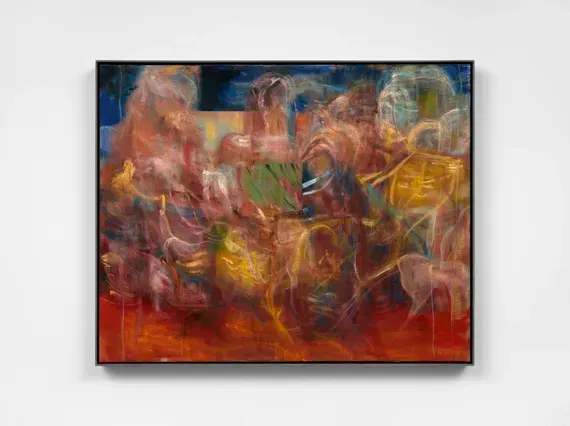
Nigel Cooke
The Island
2026
Oil on linen
80 x 100 cm