October 1 to November 7, 2026
Each Modern, 3/F 97 Sec.2 Dunhua S. Rd, Da’an Dist, TaipeiWednesday - Saturday 12:30 - 18:30 By appointment also available
Each Modern is pleased to present BAY AREA. Continuing the gallery’s city-based curatorial series launched in 2025, the exhibition looks at the cultural and artistic development of a city to reconsider significant works across different periods, and to reflect on their meaning within art history and collecting today.
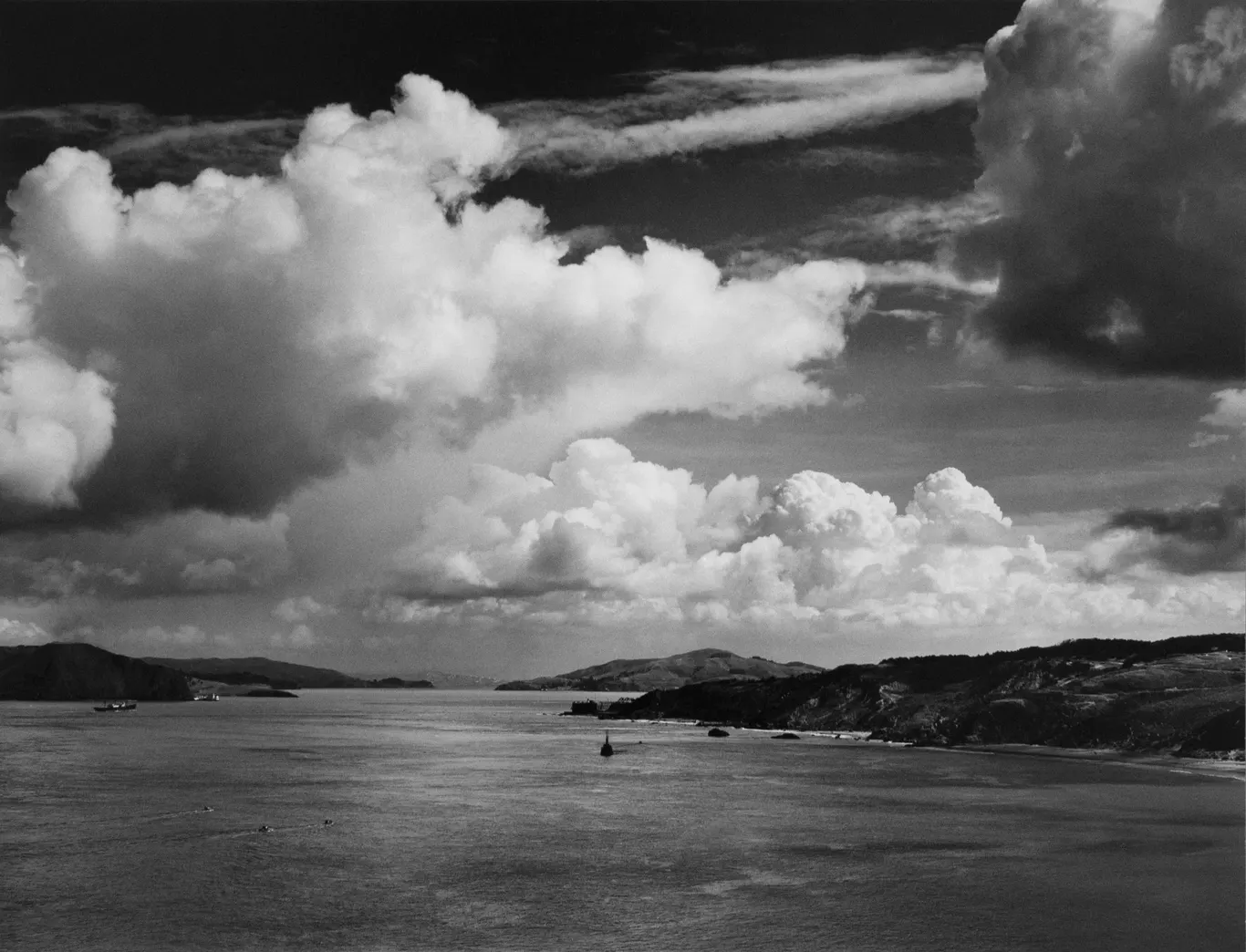
When the world talks about art and AI, the discussion often centers on the same question: Will AI replace artists? This exhibition turns that question around and asks one that has received far less attention: What kind of art and culture made AI possible? The emergence of artificial intelligence was not simply a technological development that took place in laboratories; it was deeply connected to history and environment. Long before the Bay Area became a global center of technology, it had already served as a cultural laboratory for continually rethinking vision, media, identity, and ways of living. Artists, engineers, immigrants, countercultural movements, LGBTQ+ communities, university researchers, and those who freely challenged established conventions converged in this region, gradually cultivating a distinctive cultural environment. Again and again, the Bay Area became a place where new media, new ways of seeing, and new ideas could emerge.Over the past century, the Bay Area has witnessed at least three major revolutions in visual culture.The first was photography. In 1932, Group f/64 redefined photography in San Francisco. Rejecting the imitation of painting, its members embraced the camera’s own mechanical qualities and sought to render the world with maximum clarity and precision. Ansel Adams transformed nature into the visual order of modern photography, while Imogen Cunningham brought the same incisive vision to plants and the human body. In her photographs of Martha Graham, Cunningham portrayed a woman who had forged her own artistic language through movement, strength, and determination. Born in San Francisco, Yasuhiro Ishimoto moved between American modernism and Japanese culture, bringing Japanese aesthetics and Zen-inflected ways of seeing into the Bay Area’s cross-cultural dialogue. Together, they reveal a defining openness of the region: the freedom to see the world anew from different cultural positions.The second revolution was the electronic image. In 1927, Philo Farnsworth conducted a crucial early experiment with electronic television in San Francisco. By the second half of the twentieth century, the Bay Area had become an important site for experimentation with electronic media, images, and technology. Lynn Hershman Leeson was among the earliest artists to explore questions of identity, surveillance, networks, artificial intelligence, and technological ethics through photography, video, and interactive media. In her work, technology is no longer simply a tool for producing images; it begins to intervene in how we understand ourselves, and in who holds the power to see and to be seen.The third revolution is Computer Vision. From the early research of the Stanford Artificial Intelligence Laboratory in the 1960s to ImageNet, Google Street View, and Waymo, images gradually ceased to exist solely for human eyes and became data that machines could analyze, classify, and interpret. Photography once enabled machines to record the world; a century later, humans began teaching machines to read it. Computer Vision therefore changes not only how images are produced, but the very status of the image itself.And yet, these three revolutions alone cannot explain the Bay Area.Running parallel to technological innovation is another, equally important cultural history. Wallace Berman developed a visual language associated with the Beat Generation through Verifax, photography, and underground publishing, transforming new reproduction technologies into vehicles for the free circulation of images and ideas. Bruce Conner, a key figure associated with the Beat generation, also documented the music culture of his time. Oliver Lee Jackson forged his own pictorial language across music, abstraction, and African American culture, refusing to allow his practice to be confined by a single identity or established form.By the 1990s, this countercultural spirit reappeared in another form. The Mission School, represented by Barry McGee and Alicia McCarthy, brought street culture, graffiti, punk, DIY practices, and community into contemporary art. As the technology industry rapidly transformed the urban landscape of San Francisco, their art emerged not from another grand system, but organically from streets, friendships, subcultures, and local communities.The region’s openness to difference has continued to attract people of diverse identities and backgrounds to live and work there. Drawing from multiple cultural and communal experiences, Sahar Khoury creates structures shaped by material, memory, everyday life, and chance. Through painting, publishing, and community-based practices, Jeffrey Cheung portrays the diverse queer bodies and ways of living that characterize the Bay Area today. Luke Butler reappropriates images from film, television, and American popular culture, examining how visual symbols that once shaped collective memory acquire new meanings in the present.From Group f/64 to the Beat Generation, from the Mission School to community-based practices; from female perspectives, Asian immigration, African American culture, and queer communities to electronic images, Computer Vision, and AI—these histories may appear unrelated, yet they all emerged from the same cultural ground.Seen from this perspective, AI is not an isolated technological phenomenon, but the latest chapter in the Bay Area’s longer history of questioning established systems and imagining alternatives—one shaped by its sustained openness to experimentation across media, disciplines, identities, and ways of life. BAY AREA looks back at the art and culture that helped make such a future imaginable, not simply to trace where AI came from, but to consider what this history might offer its next stage.
Ansel Adams
The Golden Gate Before the Bridge, San Francisco, California
1932
Title and date in ink, on the reverse, signed on recto. Gelatin silver print, mounted, the photographer’s Carmel studio stamp during 1960’s (BMFA 7 and 8)
26.9 x 34.5 cmDimensions variable
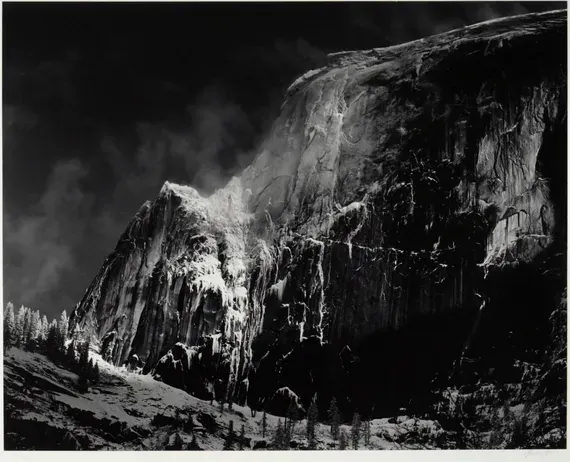
Ansel Adams
Half Dome, Blowing Snow, Yosemite National Park, CA
c. 1955
Gelatin silver print, mounted
37.8 x 47.5 cmDimensions variable
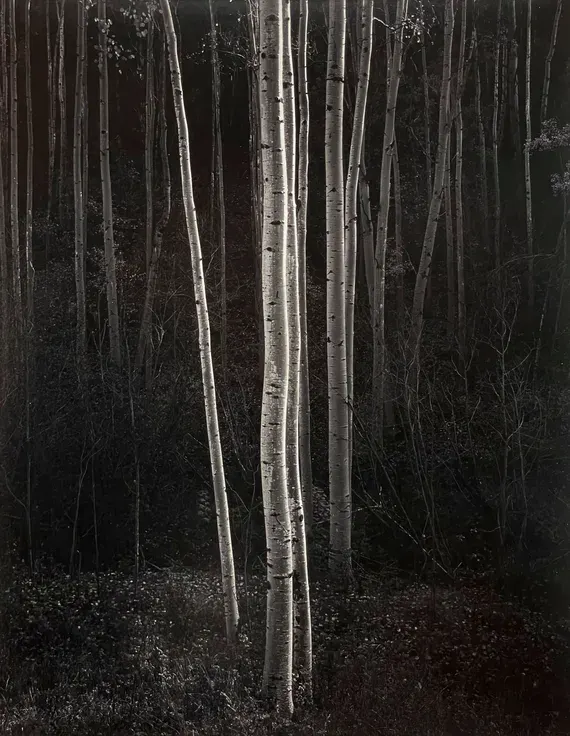
Ansel Adams
Aspens Northern, New Mexico
1958
Title and date in ink, on the reverse, signed on recto. Gelatin silver print, mounted, the photographer’s Carmel studio stamp during 1970’s (BMFA 11)
49.7 x 38.8 cmDimensions variable
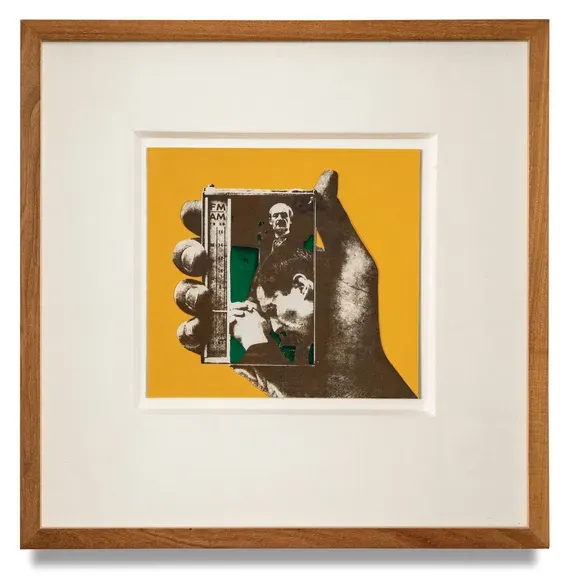
Wallace Berman
Untitled #119
c. 1964-76
Single verifax collage with acrylic
15.5 x 16.5 cm31.8 x 31.5 x 3.8 cm (incl frame)
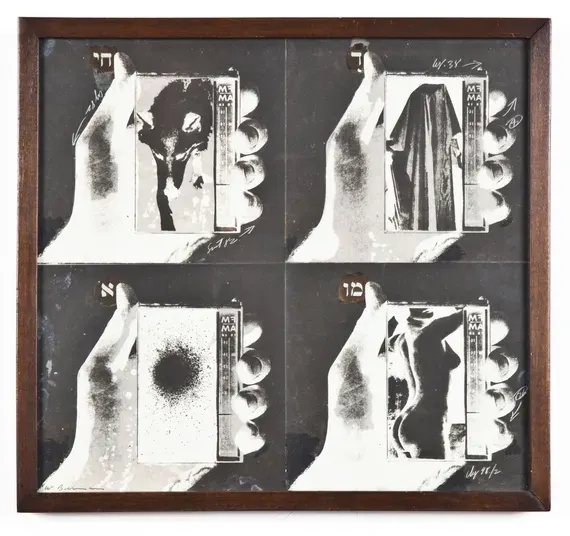
Wallace Berman
Untitled (A1-Wolf)
1964-76
4-part negative Verifax collage
29.8 x 32.3 cm33 x 35.5 cm (incl frame)
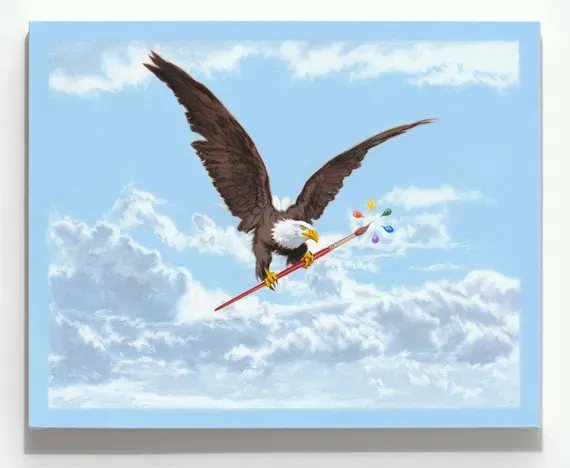
Luke Butler
Harbinger
2020
Acrylic on canvas
61 x 76.2 cm
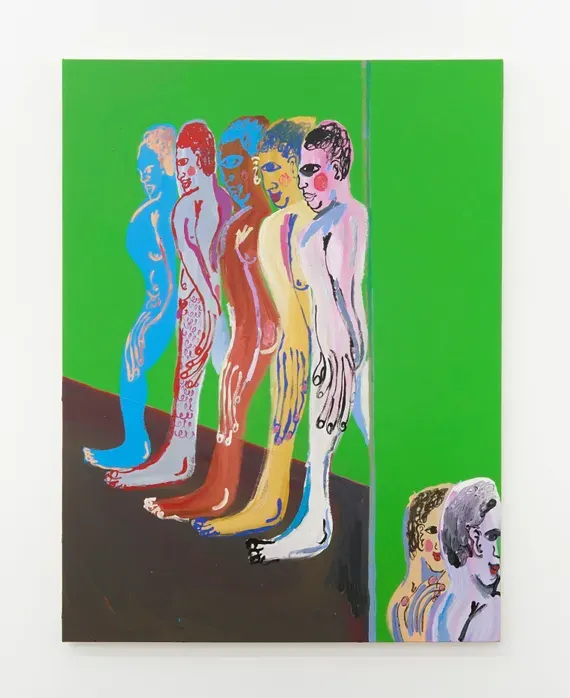
Jeffrey Cheung
Whisper in My Ear
2026
Acrylic on canvas
121 x 91 cm
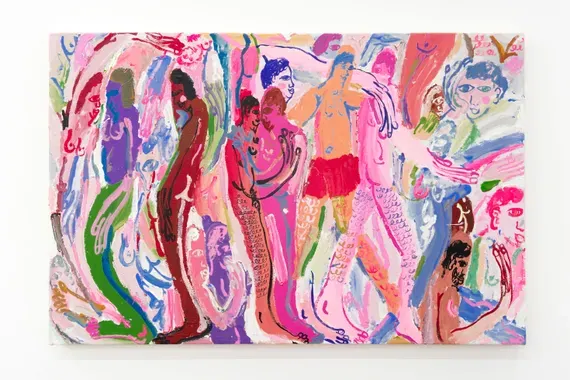
Jeffrey Cheung
Kiss
2026
Acrylic on canvas
121 x 91 cm
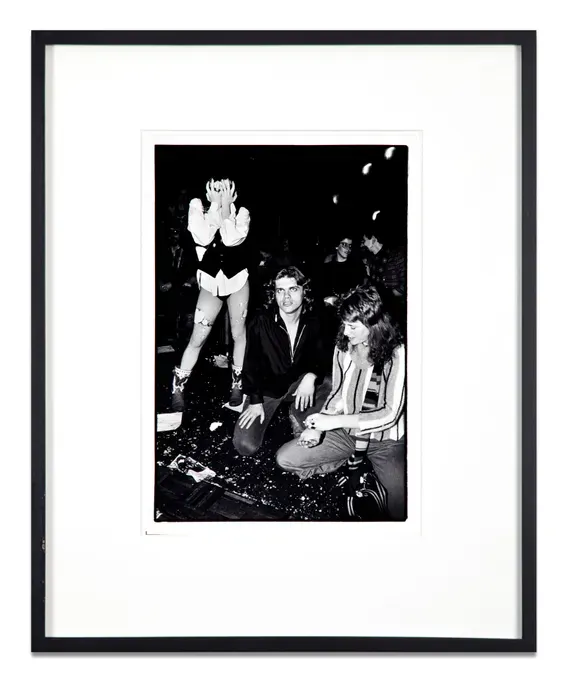
Bruce Conner
TRIXIE ANXIOUSLY AWAITS CRIME, 1/20/1978
1978, printed in 1985
Gelatin silver print
35 x 28 cm
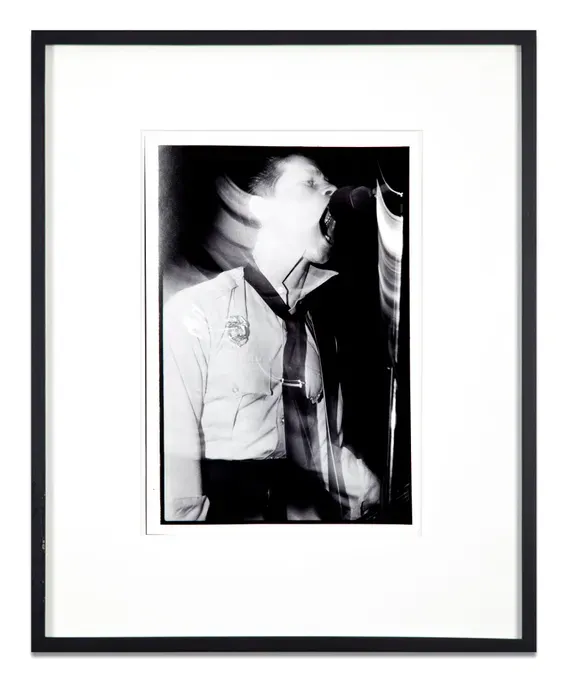
Bruce Conner
FRANKIE FIX: CRIME, 1/21/1978
1978
Gelatin silver print, printed in 1985
28 x 35 cm
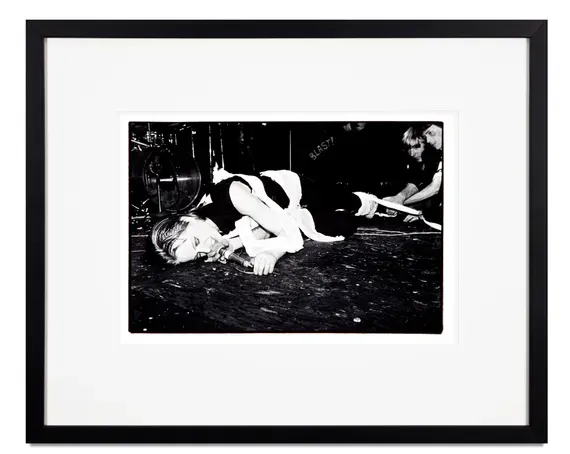
Bruce Conner
DE DETROIT: UXA, 7/10/1978, MABUHAY GARDENS
1978
Gelatin silver print, printed in 1985
28 x 35 cm
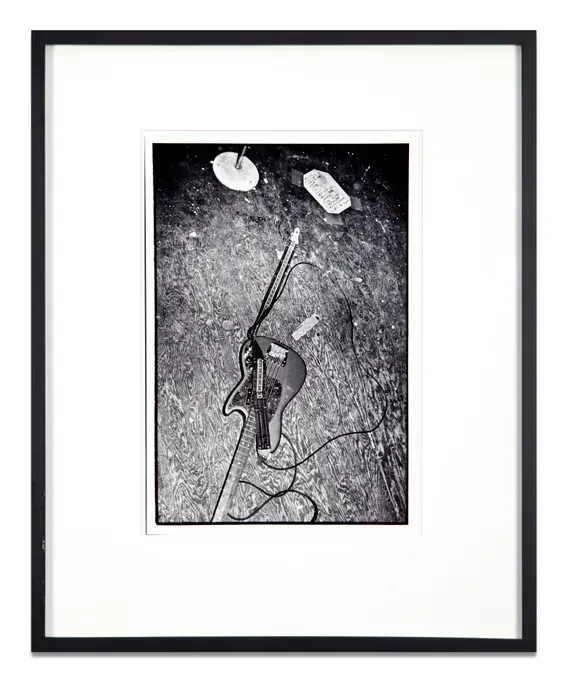
Bruce Conner
WILL SHATTERS BASS GUITAR THROWN DOWN: NEGATIVE TREND, 1/23/1978
1978
Gelatin silver print, printed in 1985
28 x 35 cm
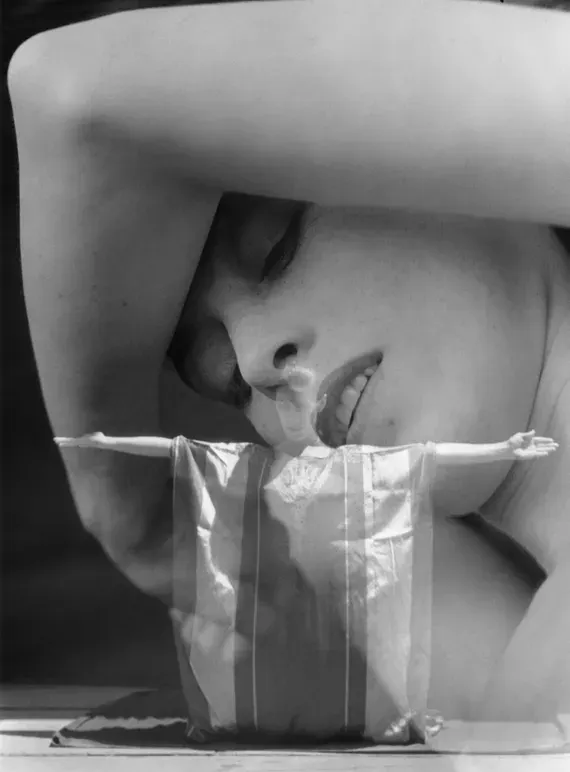
Imogen Cunningham
Martha Graham 2
1931
Gelatin silver print mounted on board
22.6 x 16.8 cmDimensions variable
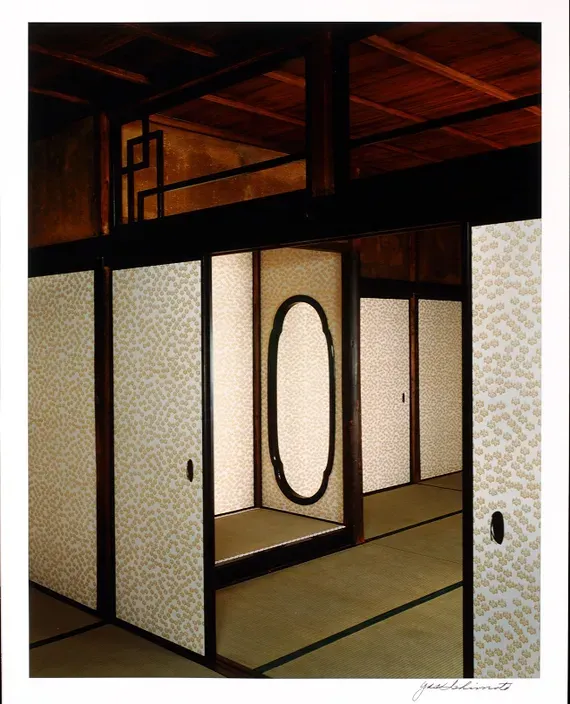
Yasuhiro Ishimoto
Interior of the Main Room, left, and the Second Room of the New Goten, viewed from the north-east. From the series of KATSURA
1981-82
Chromogenic print, Printed 2002-2003
46.9 x 36.7 cmDimensions variable
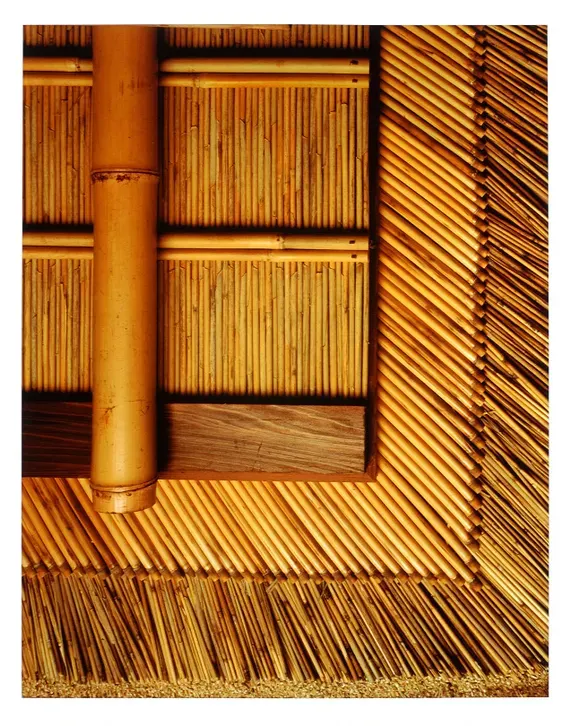
Yasuhiro Ishimoto
Detail of the Eaves of the Inner Gate. From the series of KATSURA
1981-82
Chromogenic print, Printed 2002-2003
46.8 x 36.7 cmDimensions variable
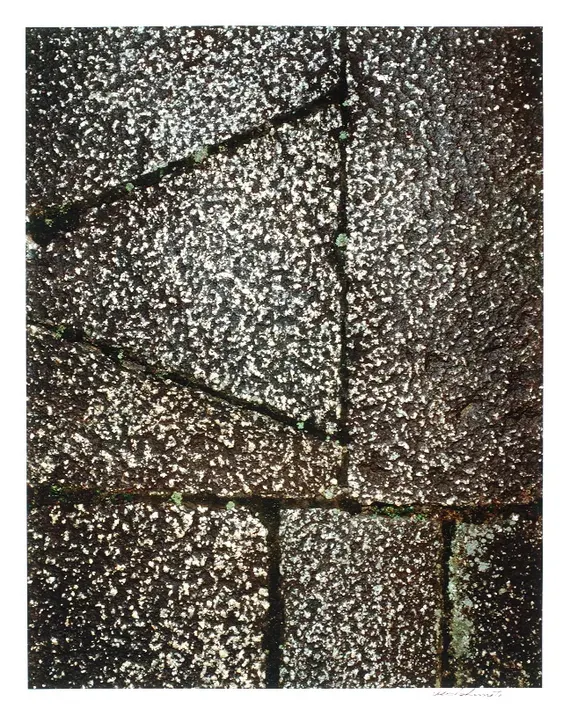
Yasuhiro Ishimoto
Part of the Formal Stone Pavement near the Main Entrance of the Old Shoin. From the series of KATSURA
1981-82
Chromogenic print, Printed 2002-2003
46.9 x 36.7 cmDimensions variable
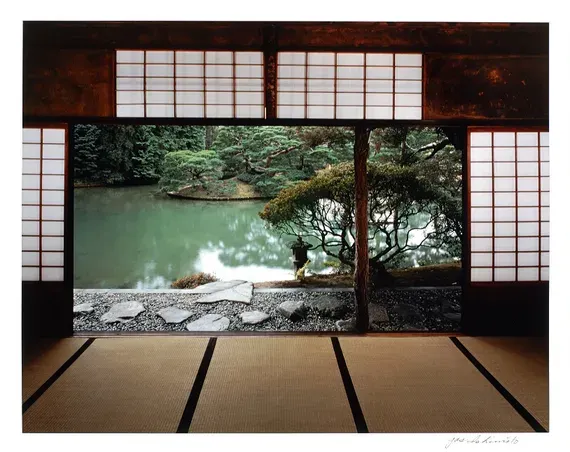
Yasuhiro Ishimoto
Garden viewed from the western part of the Main Room of the Shokintei Pavilion. From the series of KATSURA
1981-82
Chromogenic print, Printed 2002-2003
36.6 x 46.9 cmDimensions variable
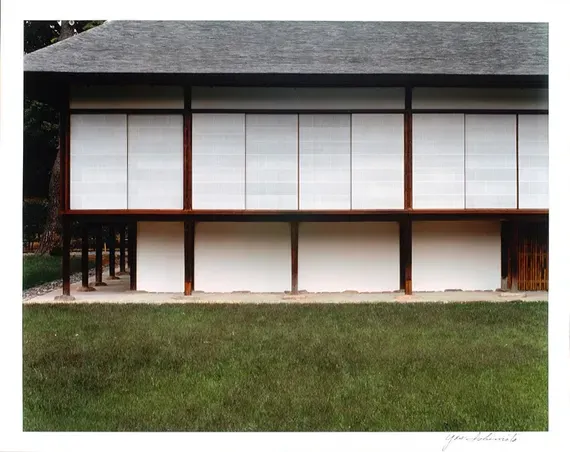
Yasuhiro Ishimoto
Part of the south-east Front of the New Goten. From the series of KATSURA
1981-82
Chromogenic print, Printed 2002-2003
36.8 x 46.9 cmDimensions variable
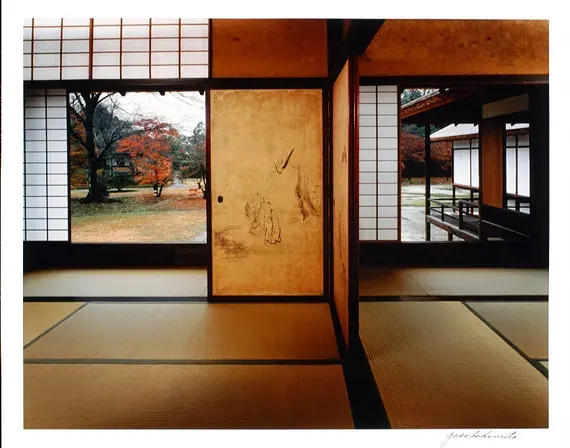
Yasuhiro Ishimoto
Main Room, right, and the Second Room, left, of the Middle Shoin, viewed from the north-east. From the series of KATSURA
1981-82
Chromogenic print, Printed 2002-2003
36.7 x 46.8 cmDimensions variable
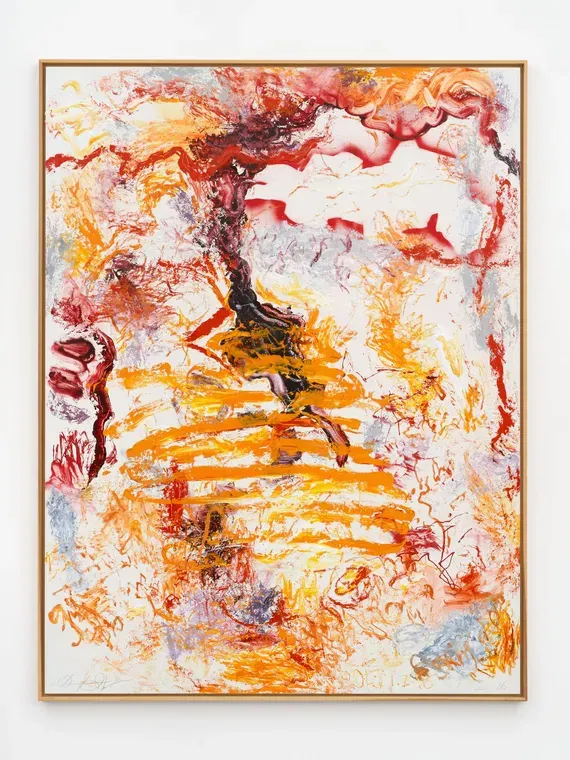
Oliver Lee Jackson
No. 1, 2016 (1.2.16)
2016
Oil paints, oil enamel on wood panel
246.4 x 188 cm
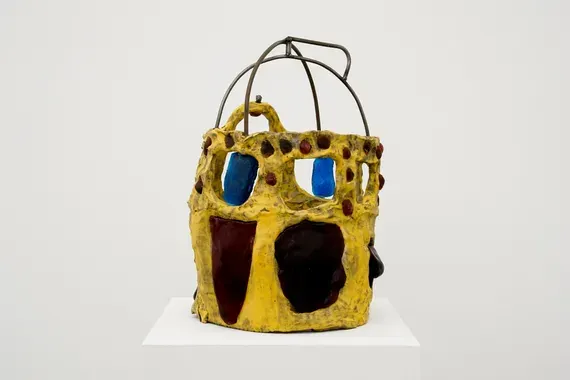
Sahar Khoury
Untitled (Yellow crown)
2024
Glazed stoneware, UV coated steel, resin
32.4 x 22.9 x 20.3 cm
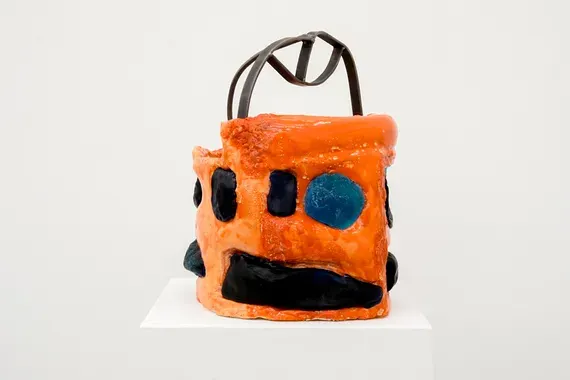
Sahar Khoury
Untitled (Orange crown)
2024
Glazed stoneware, UV coated steel, resin
29.8 x 25.4 x 22.9 cm
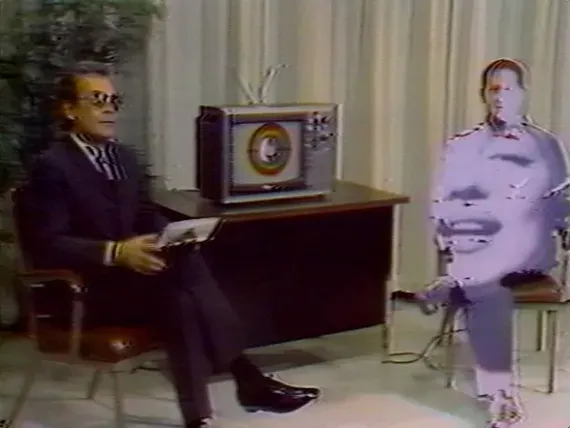
Lynn Hershman Leeson
Test Patterns
1979
Colour video, sound
Dimensions variable
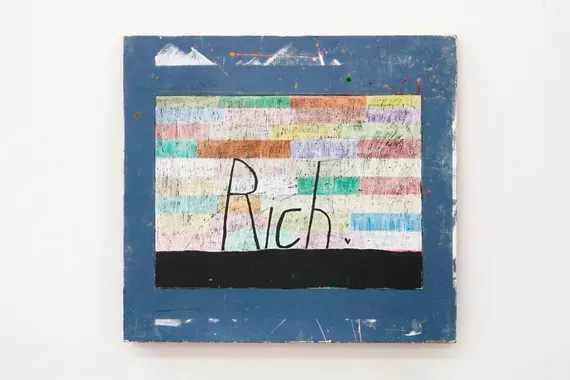
Alicia Mccarthy
Untitled
2025
Crayon, gouache, houseplant on found wood
38 x 38 cm