November 5 to December 5, 2026
D Lan Galleries, 97-99 Queen St, Woollahra, SydneyTuesday–Friday 10am–5pm Saturday 11am–4pm
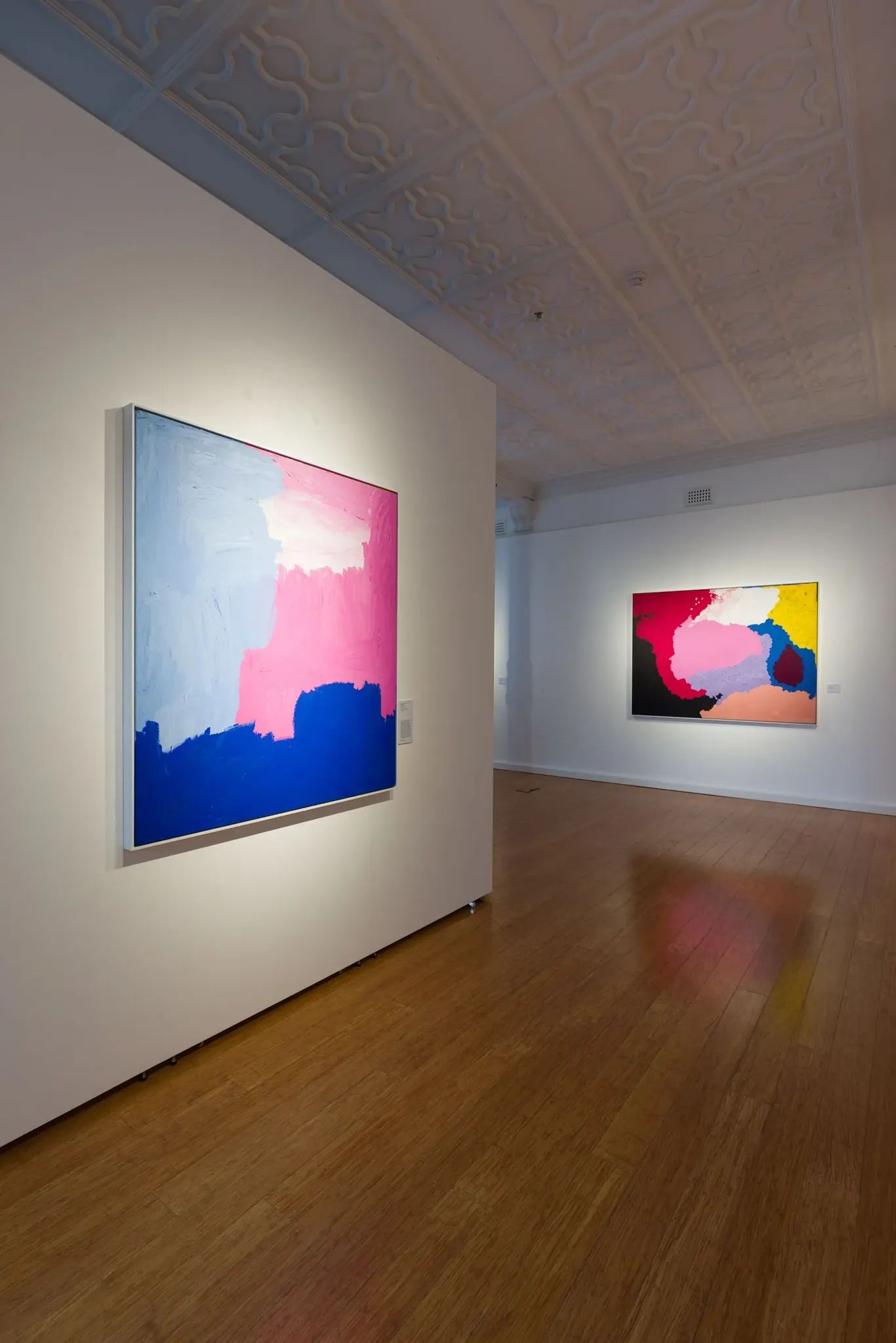
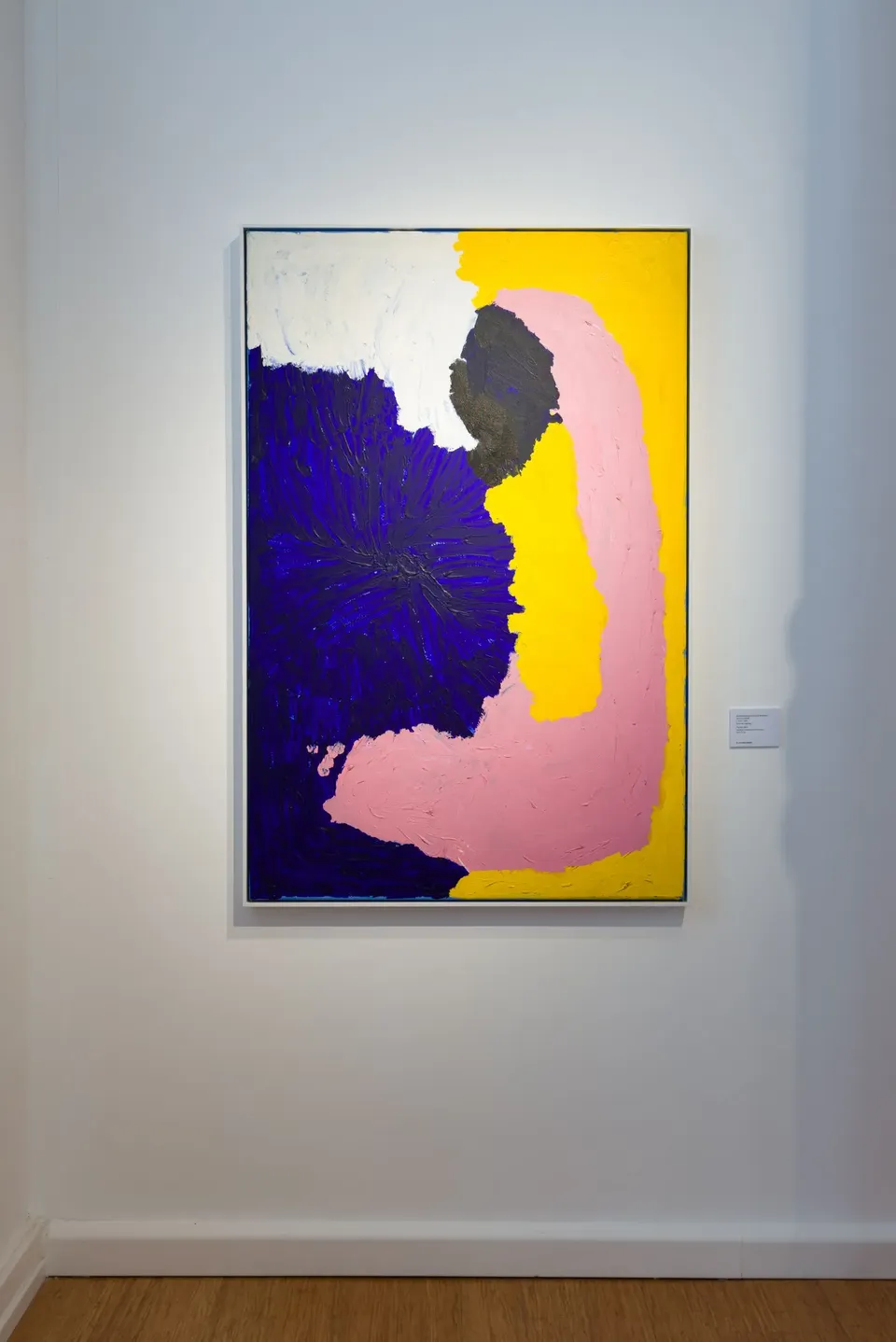
There is a particular pleasure in looking at Sally Gabori’s earliest paintings. Their colours meet, overlap and interrupt one another; forms expand across the canvas or gather into small, concentrated arrangements. There is little sense of an artist settling into a formula. Instead, the works made between 2005 and 2007 reveal an extraordinary range of pictorial possibilities, explored with energy and confidence. Gabori was already a senior Kaiadilt woman when she began painting, bringing to the canvas a lifetime’s knowledge of Bentinck Island, its people and its places. Yet the familiarity of her subjects did not produce a fixed visual language.
Again and again, she found new ways to paint what she knew.Born around 1924 at Mirdidingki on the southern coast of Bentinck Island in Queensland’s Gulf of Carpentaria, Mirdidingki ngathi Juwarnda Sally Gabori belonged to a world in which identity was inseparable from place. Her Kaiadilt name locates her birthplace at Mirdidingki, while Juwarnda refers to her totem, the black dolphin. An accomplished weaver and singer of Kaiadilt songs, she possessed intimate knowledge of the island’s coastlines, tidal waters, fishing grounds and seasonal resources. This understanding was acquired through a lifetime of experience, family relationships and cultural practice long before she encountered paint and canvas.For Gabori, the geography of Bentinck Island was bound up with the people who belonged to it. Mirdidingki was her birthplace; Thundi was associated with her father; Makarrki with her brother King Alfred; and Dibirdibi Country with her husband Pat. These were not merely places to be depicted, but sites of familiarity, kinship and accumulated experience.What is striking about the paintings she made of them is howlittle they conform to a single visual approach. Forms gather and disperse, colours collide or settle into broad expanses, and compositions shift between density and openness. Gabori returned to the same intimate geography with an apparently inexhaustible appetite for variation. The places remained familiar, while her ways of painting them continued to change.Between 2005 and 2007, during the opening years of her practice, Gabori developed a visual language of remarkable individuality. Although Kaiadilt cultural knowledge informed her subjects, there was no established tradition of canvas painting to prescribe how these places should appear. In My Country (2006), King Alfred’s Country (2006) and My Father’s Country (2007), familial relationships recur as points of reference without dictating a single pictorial approach. Elsewhere, paintings of coastlines, reefs and water holes reveal her sustained attention to Bentinck Island’s physical environment. Across these works, the island emerges not as a single landscape but as a constellation of places distinguished by their relationships to people, ancestral histories and lived experience. Gabori’s knowledge of these environments was both practical and cultural. During her early life on Bentinck Island, she helped maintain stone fish traps and gather marine resources, participating in the daily activities through which Kaiadilt people sustained their relationships with Country.The specificity of this knowledge is evident in Channel outside Markarri (2006), which she identified as the salt pan area on her husband’s Country. Such descriptions confirm that her paintings were grounded in environments she had navigated and understood firsthand. Their subjects were familiar, even when the forms she used to represent them were entirely new.In 1948, following drought and devastating cyclonic flooding, Gabori and the remaining Kaiadilt residents were relocated to the Presbyterian mission on Mornington Island. She subsequently spent much of her life away from Bentinck Island, yet her connections to Country endured through family, language, song and later visits.Histories of displacement and return provide an important context for her paintings, but they coexist with the vitality, pleasure and individuality evident throughout her practice. The places she painted belonged to an enduring world of relationships, not merely to a distant past
Mirdidingkingathi Juwarnda Sally Gabori
Channel outside Markarri
2006
Synthetic polymer paint on canvas
183 x 137 cm
Mirdidingkingathi Juwarnda Sally Gabori
Coastline
2005
Synthetic polymer paint on canvas
137 x 91 cm
Mirdidingkingathi Juwarnda Sally Gabori
Dibirdibi Country
2006
Synthetic polymer paint on linen
91 x 136 cm
Mirdidingkingathi Juwarnda Sally Gabori
Dibirdibi Country
2007
Synthetic polymer paint on linen
120 x 91 cm
Mirdidingkingathi Juwarnda Sally Gabori
King Alfred’s Country
2006
Synthetic polymer paint on canvas
91 x 136 cm
Mirdidingkingathi Juwarnda Sally Gabori
My Country
2006
Synthetic polymer paint on canvas
181 x 101 cm
Mirdidingkingathi Juwarnda Sally Gabori
My Father’s Country
2007
Synthetic polymer paint on linen
135 x 121 cm
Mirdidingkingathi Juwarnda Sally Gabori
Outside Dibirdibi
2006
Synthetic polymer paint on linen
151 x 101 cm
Mirdidingkingathi Juwarnda Sally Gabori
Outside Reef
2006
Synthetic polymer paint on linen
122 x 137 cm
Mirdidingkingathi Juwarnda Sally Gabori
Waterholes
2006
Synthetic polymer paint on linen
61 x 91 cm