Shota Nakamura
October 30, 2026 to January 9, 2027
Mendes Wood DM, 13 Rue des Sablons / Zavelstraat, BrusselsTues - Sat, 11am - 7pm
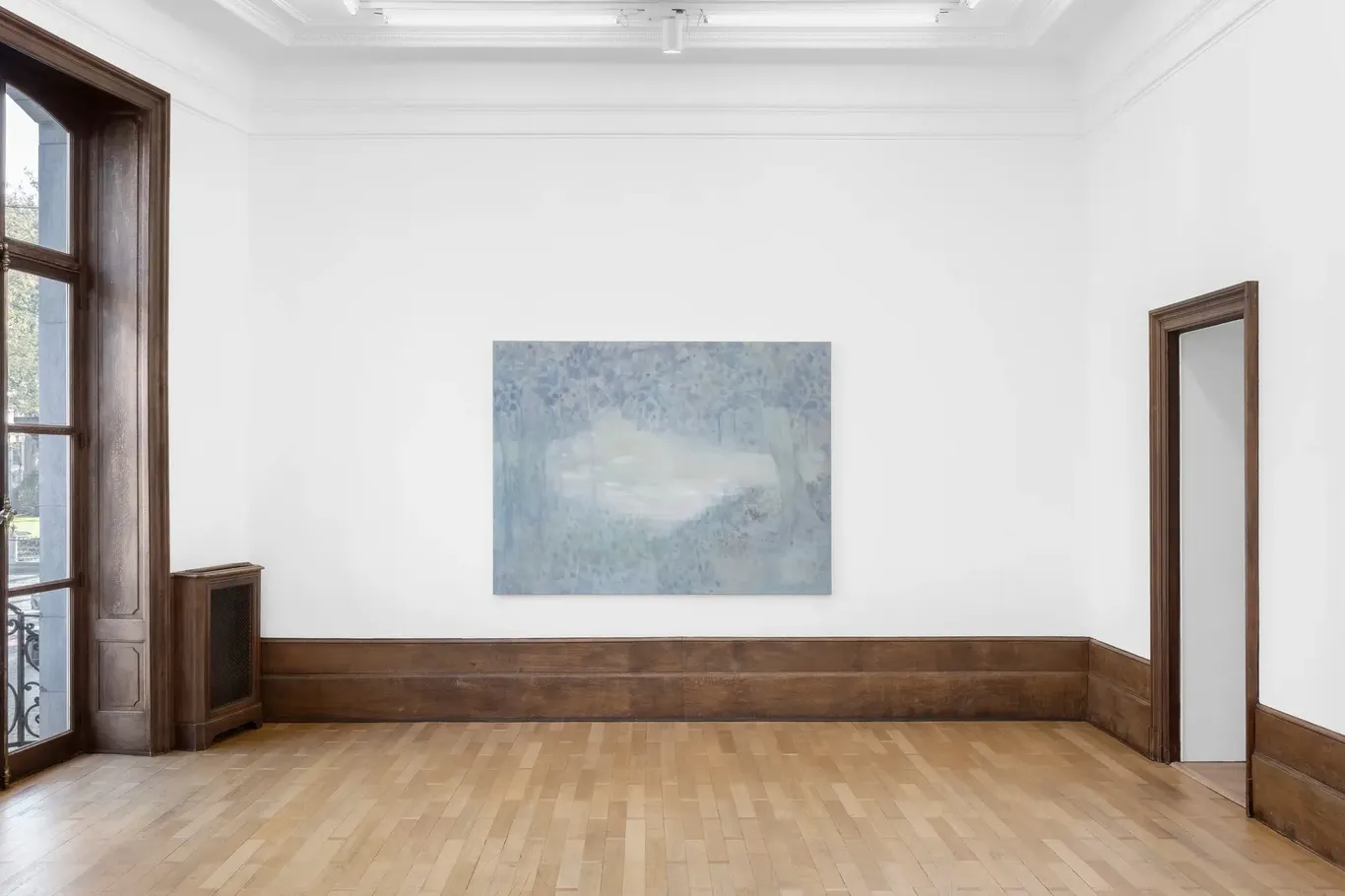
Mendes Wood DM is pleased to present seven lakes, Shota Nakamura’s first solo presentation with the gallery and his first solo exhibition in Belgium. The show returns to the desaturated, dreamlike terrain of Nakamura, an artist who works as readily from memory as from observation.
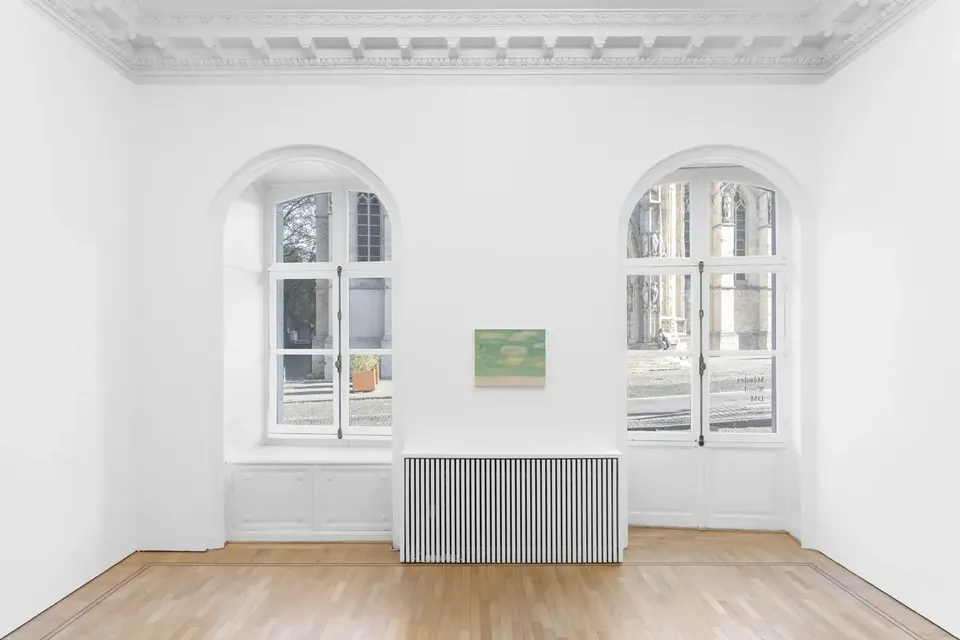
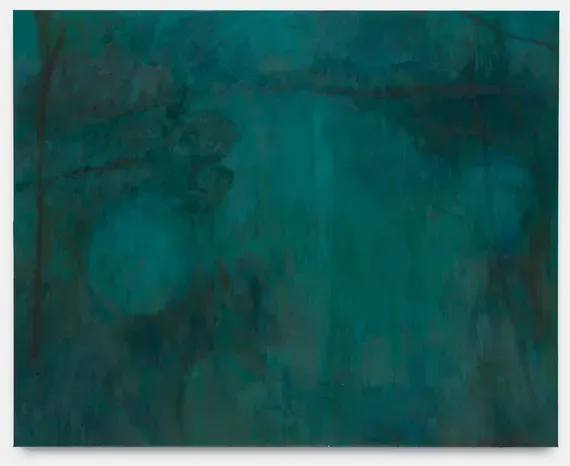
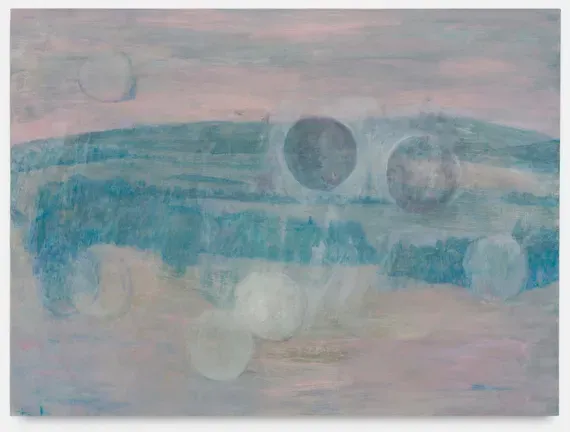
The Brussels space, with its fireplaces and separate rooms that distinguish it from a white cube, sets Nakamura thinking about scale, and he has approached much of the exhibition through medium- and small formats as an antimonumentalist choice. The choice plays on a dialectic built into a foundational premise of landscape painting: outdoor observation is returned to us, in miniature, to be viewed indoors. “With a small painting, you have to physically come closer to it,” he says. “Because of the scale, a very small mark or a slight shift in colour can become surprisingly significant.” Throughout, Nakamura returns often to lakes and to clouds. Asked where his attachment to water comes from, he is parsimonious with explanation, offering only the plainest one. “I like water,” he says of it. But behind that simplicity sits rigorous practice, a watercolour discipline he trains at a format smaller still before carrying its immediacy and indeterminacy onto oil and canvas.Among the lake paintings (all works 2026), several allow one tone – red, cool grey, or acid yellow-green – to preside over the canvas. A horizontal line divides each, water below and sky above, a pale band of light marking the division, sometimes framed by dark tree trunks, sometimes broken by a jagged shore pushing in from one side. Though partially influenced by nineteenth-century landscapism, Nakamura sees the lake as a pictorial structure rather than a metaphorically rich or romanticised site. Landscape appeals to him as a subject because it can easily go unremarked yet carries the peacefulness of an ordinary experience. Suitably, grey tempers the paintings, lending them a common restraint. “Grey has become particularly important to me because it’s extremely responsive to the colours around it,” he says. “If you put a grey next to a green, the grey can suddenly appear slightly green.” Nakamura has recently been drawn to landscapes for their narrow, restrained tonal range. Restricting his own palette sharpens attention to distinctions in temperature and value that would otherwise dissolve in richer colour.Appearing across several paintings as unanchored forms, clouds recur as a related but separate motif, playful at the edge of abstraction. Pale circles scatter across rose and teal hillsides; elsewhere, shapes drift loosely against a warm yellow field. In each, the cloud refuses to touch the canvas’s top or bottom edge, hovering instead in the middle. In L’air et les songes, his 1943 study of air, Gaston Bachelard, the theorist of space and domesticity, singled out the cloud, solid enough to invite projection yet dissolving when tested or approached, as the clearest image resisting translation into something else. The lake paintings work by symmetry, with water measuring itself against the sky it reflects and structure built from a doubling, while Nakamura’s clouds float freely. “As a motif, clouds don’t belong to the ground or the field; they sit in the middle,” Nakamura says, drawn to the image for its kinetics, the way it never settles into a fixed position.Writing about domestic space, Bachelard drew a comparable distinction, describing an inhabited room through rêverie, a waking, image‑bound state distinct from the night dream psychoanalysis studied and interpreted. Such a room is what it is, nothing underneath it waiting, or wanting, to be decoded. Nakamura assembles a room of this kind, in which a man in pale blue sits at a piano, playing perhaps to himself. Beside him, windows open onto landscapes. Like those across the exhibition, where each canvas contains something of its own weather system, they are generally unpopulated, filled instead by light and atmospherics. The painter notes that the painting with the piano player came together the same way the lakes and clouds did, each element answering to the others, without a subject decided in advance. “I have been thinking of weather not as a subject,” Nakamura says, “but as a model for how a painting comes into being. Not an object but a condition created by many things.” Courtesy Mendes Wood DM.
Shota Nakamura
Landscape with Apples
2026
Oil on canvas
120 x 150 cm
Shota Nakamura
Landscape with Apples
2026
Oil on canvas
89 x 120 cm
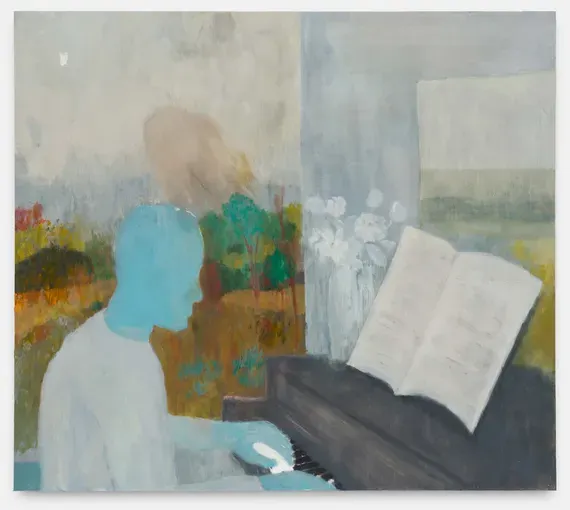
Shota Nakamura
Piano Player
2026
Oil on canvas
115 x 130 cm
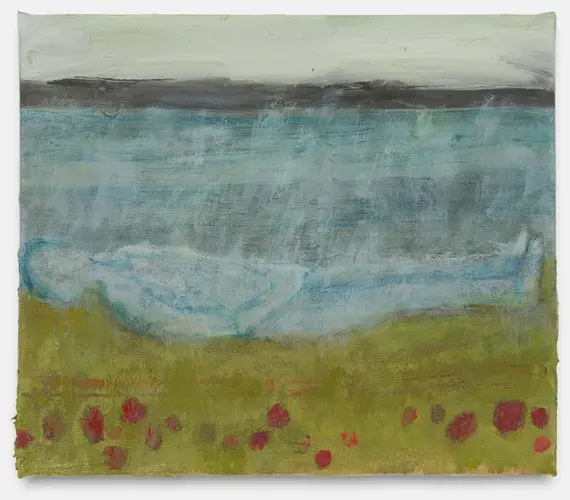
Shota Nakamura
Untitled
2026
Oil on canvas
30 x 35 cm
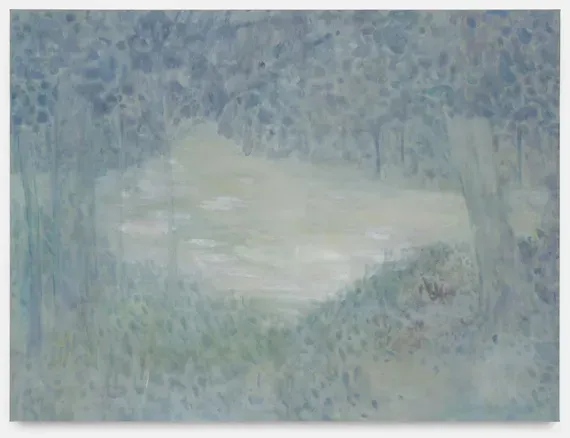
Shota Nakamura
Untitled
2026
Oil on canvas
150 x 200 cm
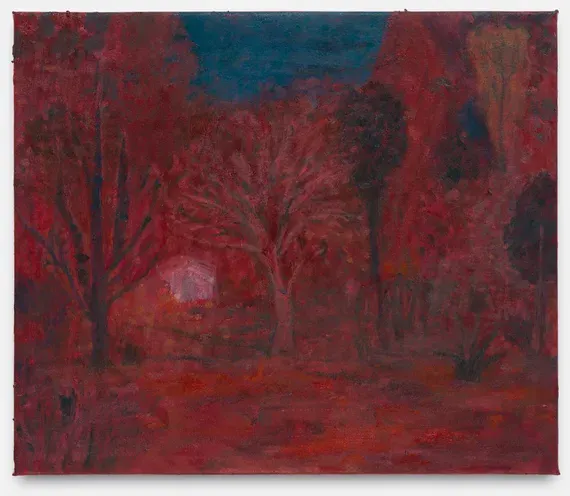
Shota Nakamura
Untitled
2026
Oil on canvas
46 x 54 cm
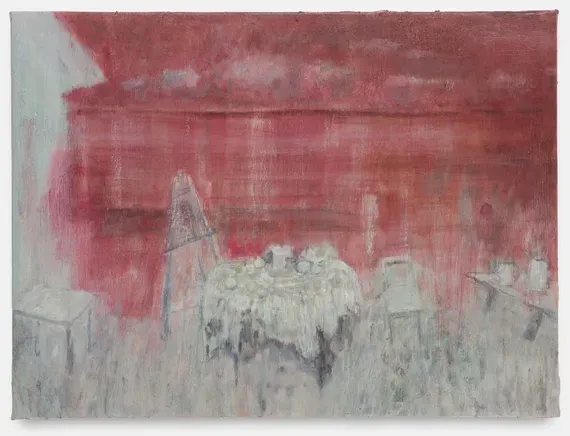
Shota Nakamura
Untitled
2026
Oil on canvas
45 x 60 cm
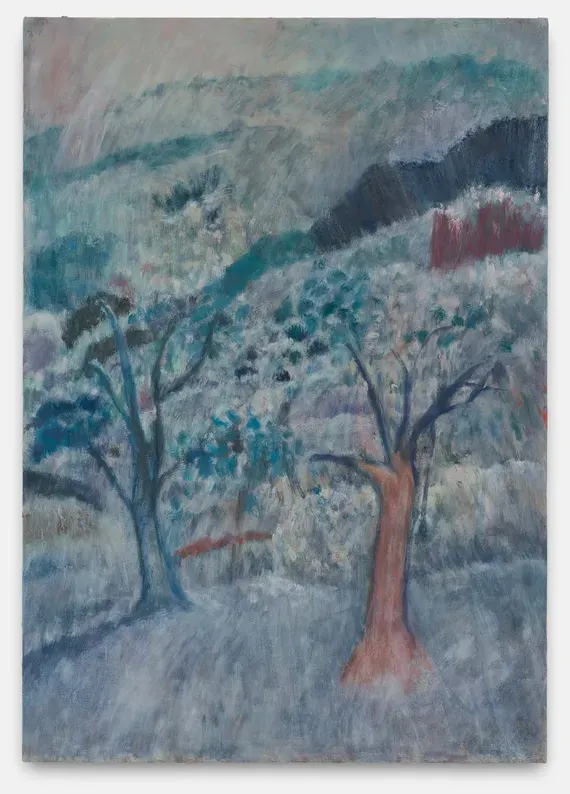
Shota Nakamura
Untitled
2026
Oil on canvas
65 x 46 cm
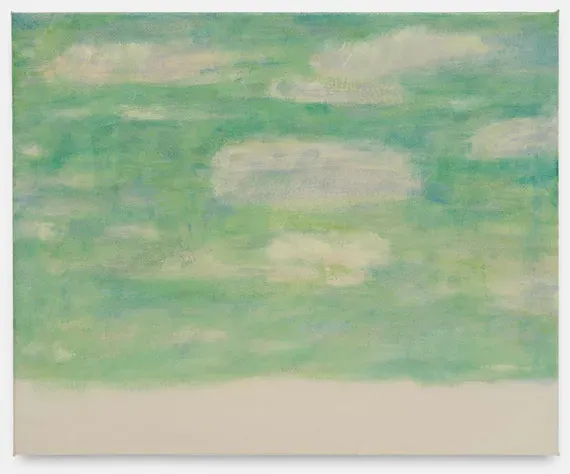
Shota Nakamura
Untitled (Cloud)
2026
Oil on canvas
44 x 54 cm
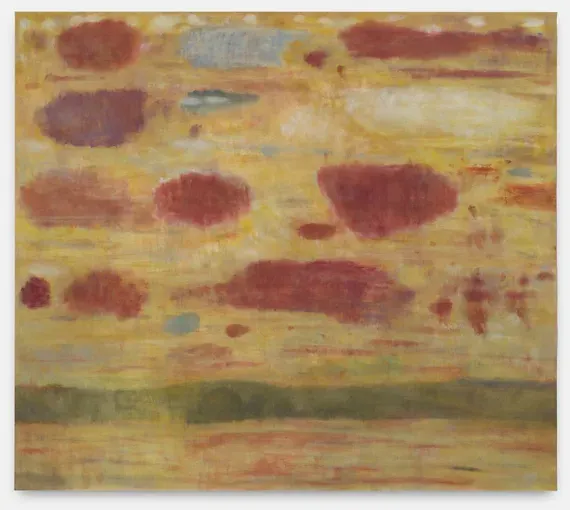
Shota Nakamura
Untitled (Cloud)
2026
Oil on canvas
121 x 137 cm
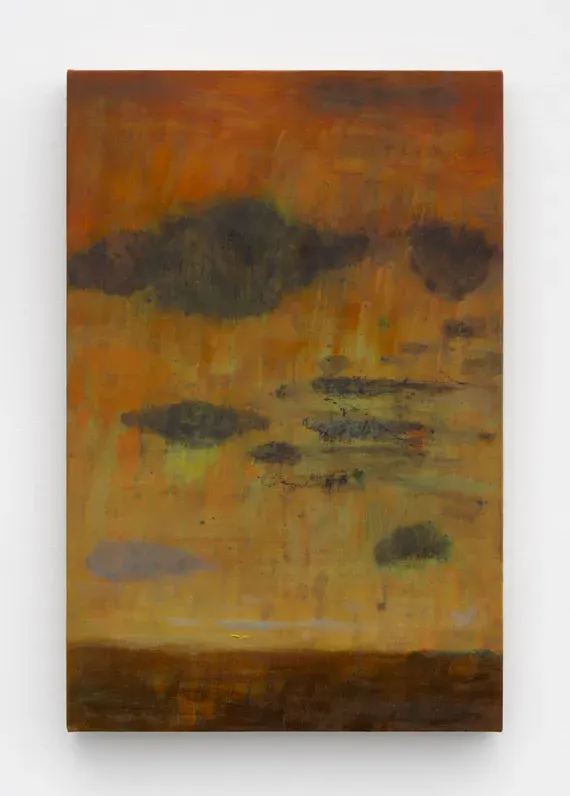
Shota Nakamura
Untitled (Cloud)
2026
Oil on canvas
50 x 33 cm
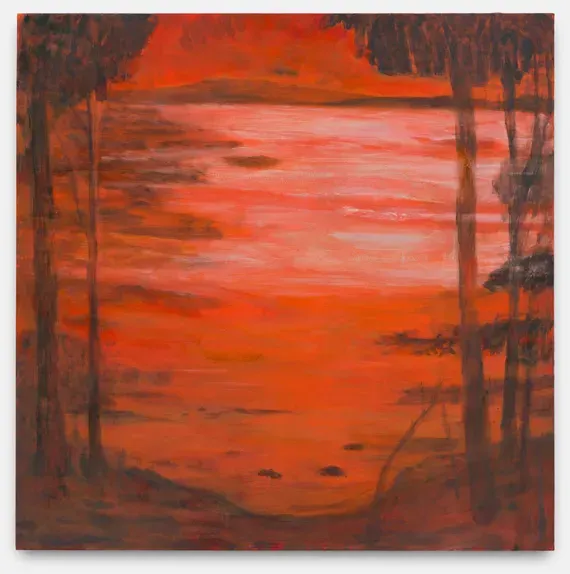
Shota Nakamura
Untitled (Lake I)
2026
Oil on canvas
90 x 90 cm
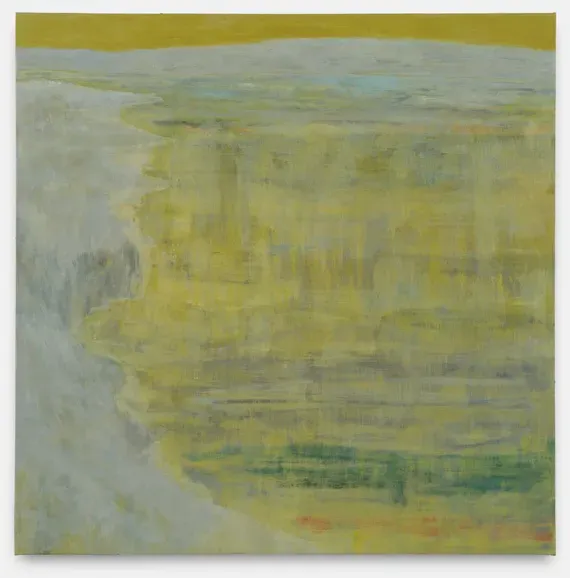
Shota Nakamura
Untitled (Lake II)
2026
Oil on canvas
90 x 90 cm
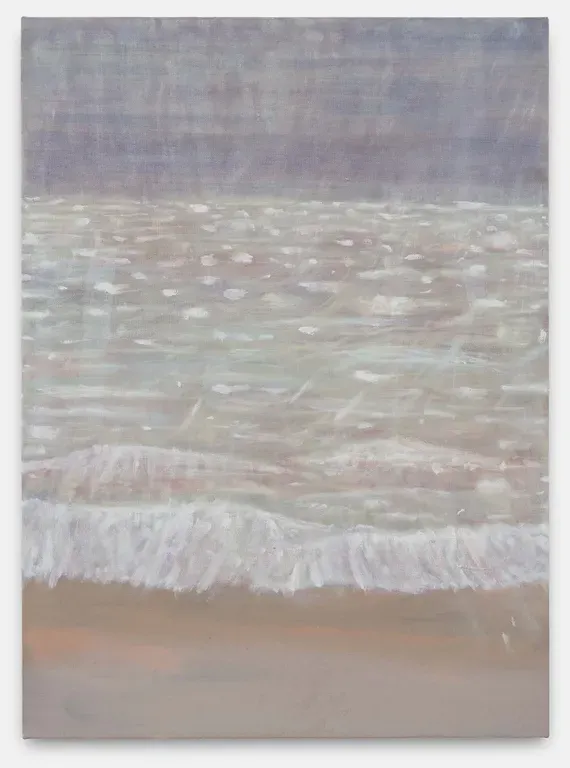
Shota Nakamura
Untitled (Wave)
2026
Oil on canvas
79 x 58 cm