Tuesday – Sunday 9.30am – 6pm Closed Monday
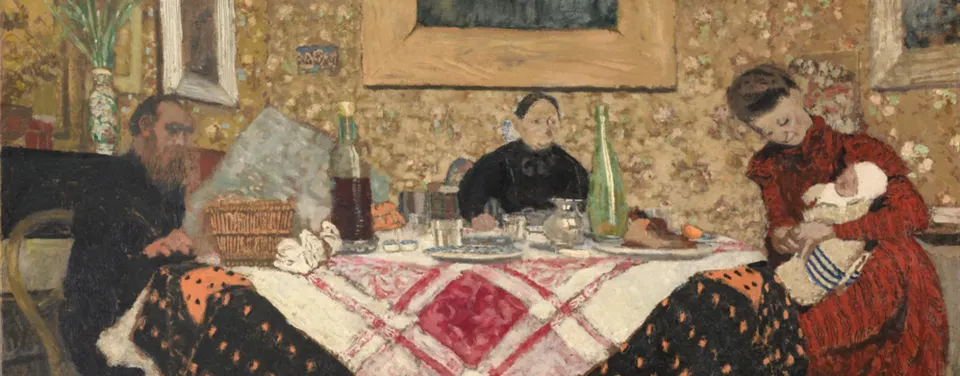
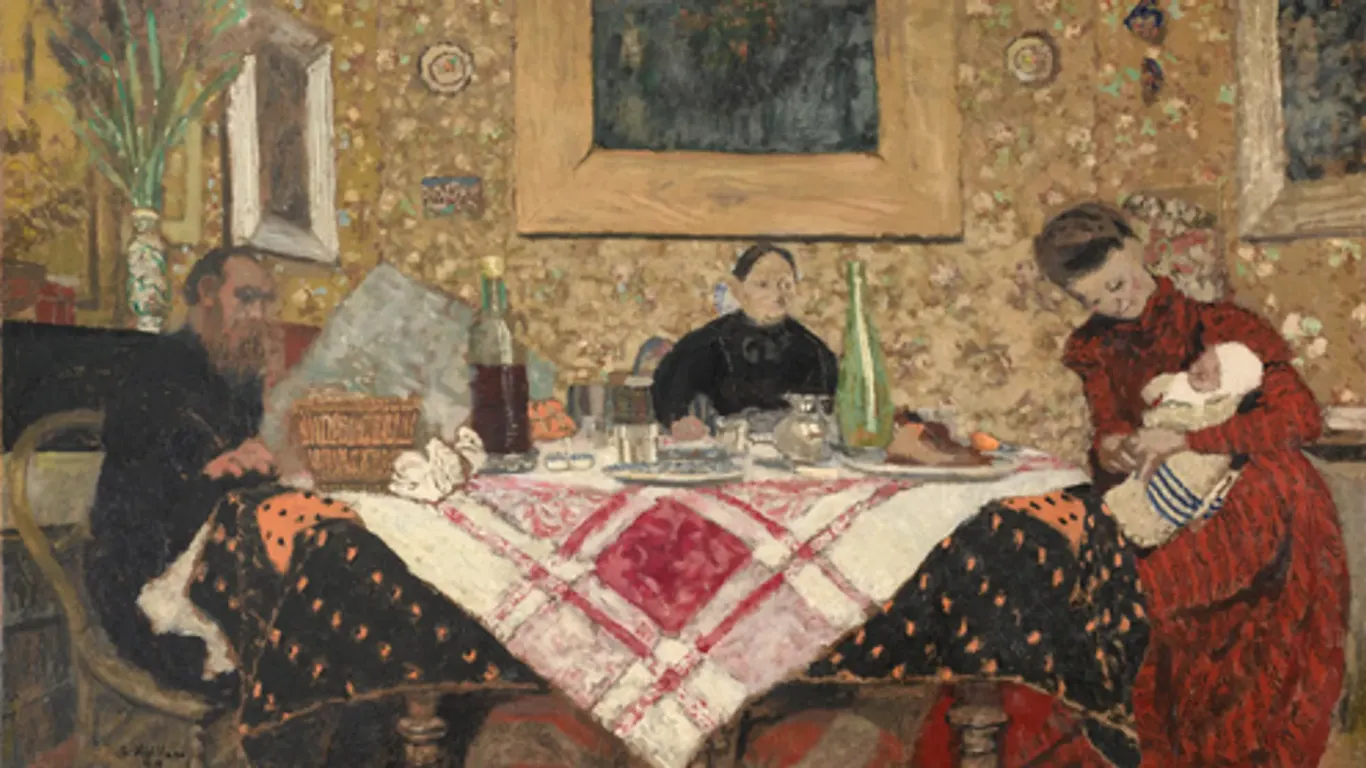
The innovative, intimist works of the painter Edouard Vuillard (1868-1940), a key figure in the Nabi movement, continue to captivate and intrigue us today. With this first exhibition in France devoted to Vuillard in almost 25 years, the Musée d’Orsay is focusing on a hitherto unexplored subject: the artist’s fascination with the theater, which imbued and stimulated his art for over five decades, from the early 1890s to the late 1930s.
Vuillard enjoyed cabarets and café-concerts as much as he delighted in classical tragedies, and was also to be found in the audience at more alternative theaters where symbolist plays at the cutting edge of the avant-garde were performed in the 1890s. A faithful audience member at any and all theaters, Vuillard was also an “actor” in them, closely involved in those progressive circles. Working behind the scenes, he created programs and stage sets for their shows, drawing on this new dramaturgy to provide himself with the motifs, props and intense atmosphere of his own paintings: intimist interiors laid out in the fashion of a stage designer.Very much at home in the ever-renewed circles of actors, theater reviewers and playwrights, Vuillard spent his life painting the portraits of those larger-than-life personalities – including, in the early years of the 20th century, the individuals involved in boulevard theater. He also continued to devote himself to the art of decoration, in which he excelled, carrying out major commissions for the interiors of two great Parisian theaters, on the theme of the theater. These murals, mises-en-abime that epitomize an undying passion for the stage and performance, were the highpoints of an artistic career constantly permeated and radically renewed by this other art form.