September 10 to October 24, 2026
Marian Goodman Gallery, 385 Broadway, New YorkTuesday – Saturday 10am – 6pm
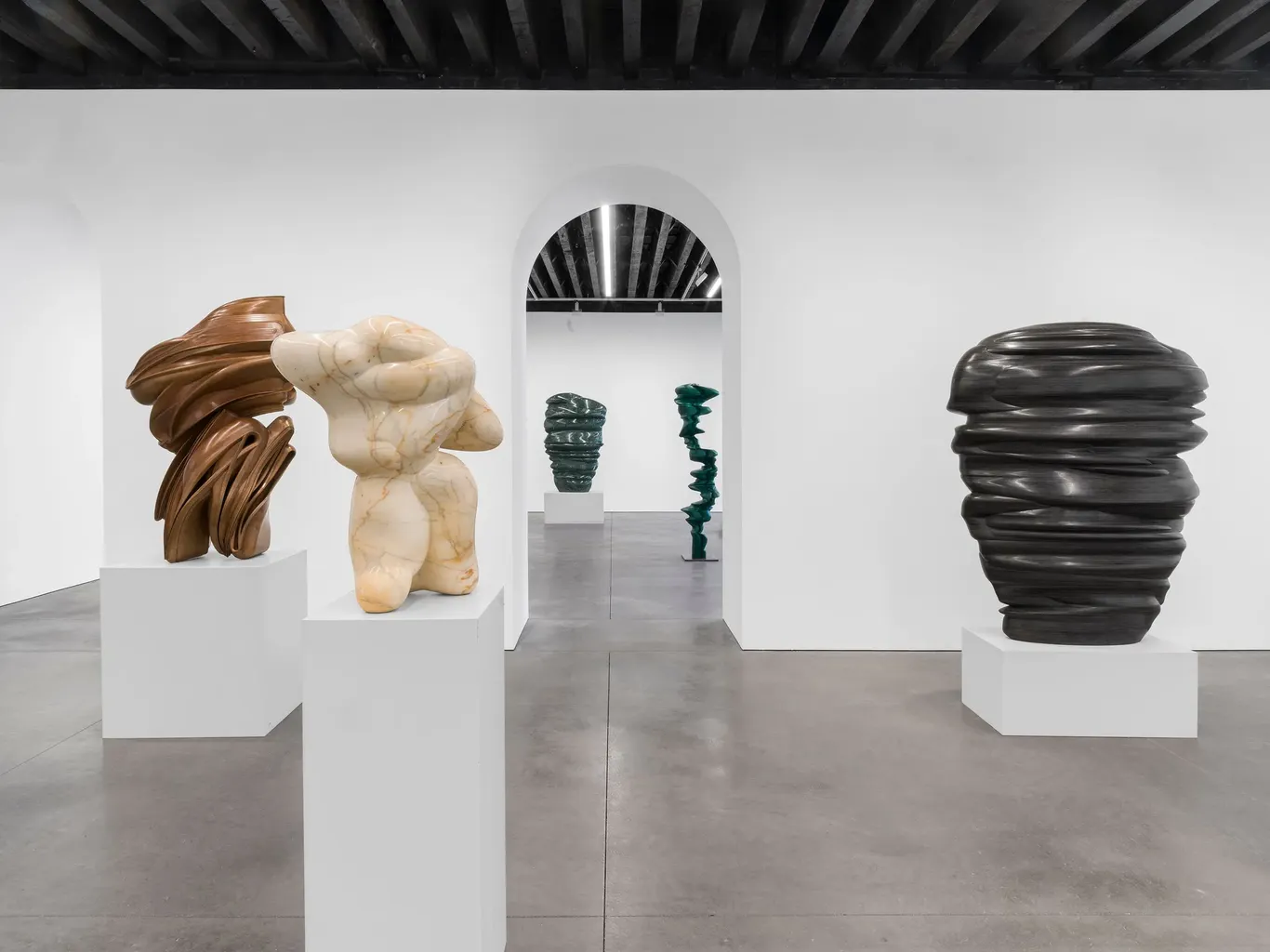
Marian Goodman Gallery is delighted to announce a solo exhibition of new work by Tony Cragg, which will be on view from 10 September - 24 October 2026. The Gallery’s first solo exhibition of the renowned British sculptor in our Tribeca space, our seventeenth solo exhibition with the artist, will feature new sculptures in bronze, wood, stone, and steel. Cragg, recipient of this year’s European Culture Prize, will be honoured on 4 September 2026 at the Royal Concertgebouw Amsterdam.
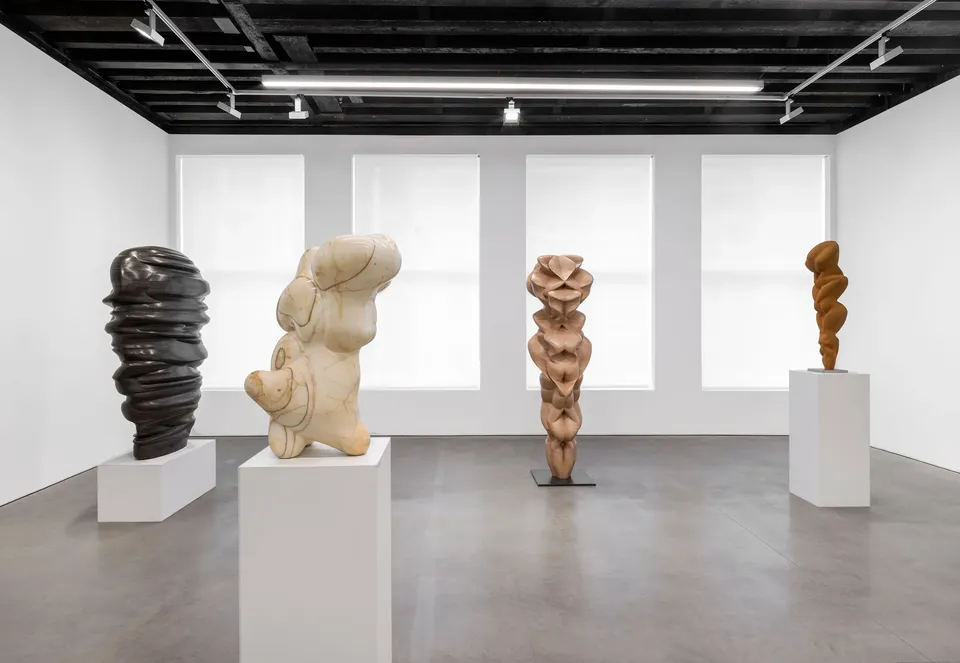
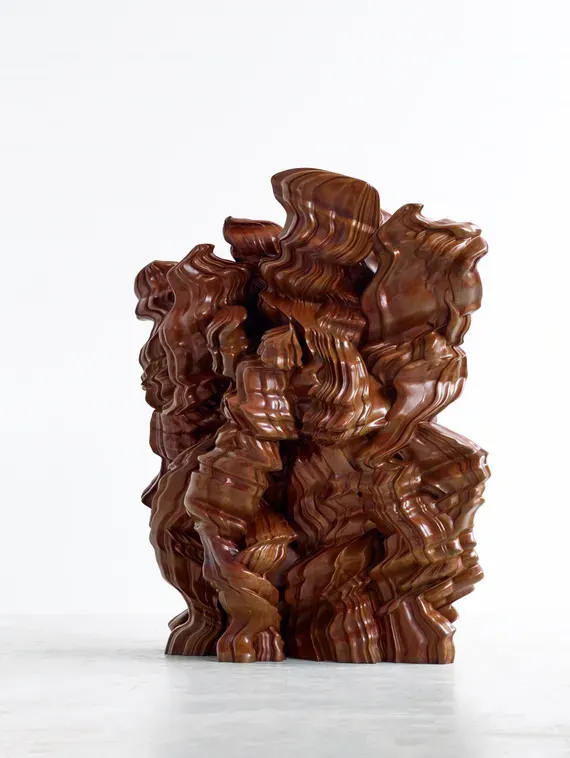
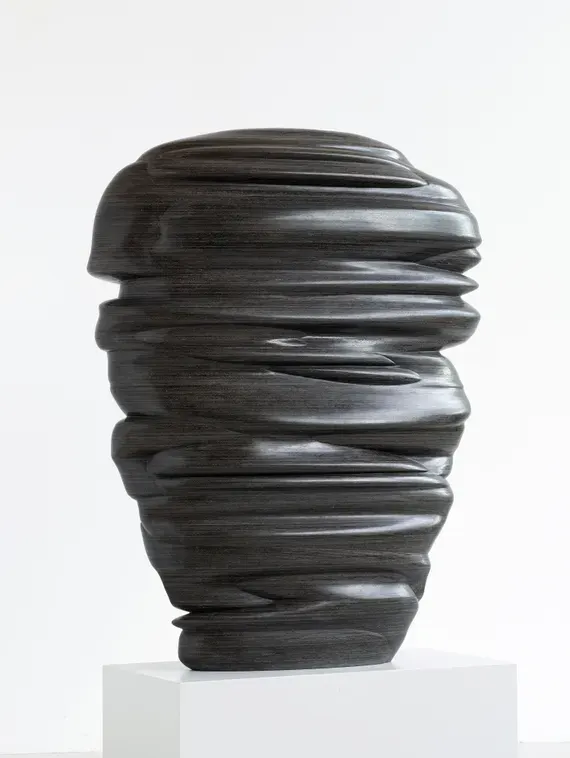
For more than 50 years, Cragg has transformed a dynamic range of materials to create a vast range of singular, sculptural entities. Cragg sees sculpture as a radical use of materials combatting the repetitive monotony and generic dullness of forms that are the product of the simple geometries of our production systems. Cragg has said, ‘as a race we are responsible for the impoverishment of form on this planet. Sculpture as a non-utilitarian use of material is free to produce new forms, new ideas, new emotions, new terms and hence new freedoms.’While crisscrossing the lines between realism and abstraction, he takes inspiration from both natural and man-made forms, thereby continually reimagining and drawing out the relationship between man and Nature. Versus’ frontal orbital structure pulsates with shifting elliptical forms, greeting the visitor upon entry. Expressing a multiplicity of themes within Cragg’s work, from axial views to pure materiality, mass, and flux, to hybrid forms and structural accretions, it sets the stage for the exhibition.In the ground floor space, new sculptures in Corten steel, Path, 2026, and Up and Down, 2026, suggest the dynamic buildup and cascade of material things in the world, of ideas, history, and sculptural form. As in his Hedge series, Cragg uses Corten, a very strong material, moving outwards towards what is elemental, radical, and open-ended in sculpture. From the organic to the metaphoric, Path expresses its own identity as a fountain, a waterfall, a road, and a path. Nearby, three new Stand works rest on tripod feet, resembling forms that are both bodily and akin to landscape – a torso, a bluff or a cliff – all cast from carvings that precisely articulate line, surface and volume.Angel Cross, in bronze, relates to earlier work like Over the Earth, 2010, in that it supports a large overhead horizontal form, but it takes up more figurative themes as found in sculptures like Justine, 2021. It is a large abstract structure whose flow of forms shows a sinewy musculature. The spread of the similarly muscular horizontal form suggests wings, arms or branches. Caught in suspension, the form appears to look down on itself and the earth below. The special significance of Heaven as taught to us has been lost; for Cragg, there is no escape. We happily accept our moribund existence and responsibility for our own existence.In the large-scale wooden stack, 2026, Cragg takes to stacking as a sculptural technique, as he has done since his early works in the early 1970s. He is fascinated by all kinds of stratification and layering, whether in the landscape or in organic forms, because it always implies growth and with that time and change.In No Time is also a complex stacked form in which a number of inclined, conjoined columns each intersect and overlap to create an image of collision and coalition, flux and speed, with a baroque complexity that is reminiscent of some Renaissance sculpture in the portrayal of dynamic metamorphic movement.In the third-floor gallery, Symmetries are new works based on axial line drawings that were mirrored to form symmetric columns. The simple process of mirroring created these astonishingly figurative forms that display any number of apparent anatomic characteristics. Cragg was not attempting to represent the human figure, but in mirroring the columns he had drawn, he found that proportionate forms, mirrored to create symmetries, lead us to question our inferences, biases, and assumed notions of beauty, doubling mathematical ratios to open up to bodily forms. It is the merging of incongruent forms into one another to form a new cojoined whole that provides the basis of the Integers stone works in the exhibition.Originally conceived during a project for a theatre, the Masks are made of different materials such as bog oak wood and stone. Based on sliding two Janus masks into one another, the Masks offer other slippages between dual forms: heads and faces superimposed upon one another create disquieting composite portraits that seem to fluctuate between discord and harmony.Cast in Corten steel with its velvety, matte surface, Incidents defy the legacy of steel sculpture made using industrially formatted elements: sheets, rods, and beams pressed and rolled. Originating from carved sculptures, the innate strength of the material permits gravity-defying forms and an agile mobility that give these works their poise and a certain balletic elegance.This gravity-defying energy can be found in other works, such as Eclipse, whose forms rotate around alternating axial viewpoints. Eclipse’s silhouette rises and recedes from figuration and abstraction as one rounds the sculpture. Initially carved in wood, it evokes body and landscape through intertwined organic columns that resist stasis through a simultaneity of movement. Nearby, a double columnar work in green bronze, Untitled, 2025, reiterate these rotational and anthropomorphic elements.Stroke in bronze is an extreme iteration of Cragg’s Early Forms, which masterfully depicts the morphology and movements of vessels in space. Stroke is named after a Roy Lichtenstein painting of a brush stroke and conflates the sculptural process with Cragg’s more spontaneous and gestural drawings. Courtesy Marian Goodman Gallery.
Tony Cragg
In No Time
2018
Bronze
140 x 107 x 67 cm
Tony Cragg
Masks
2023
Bog oak wood
160 x 53 x 124 cm
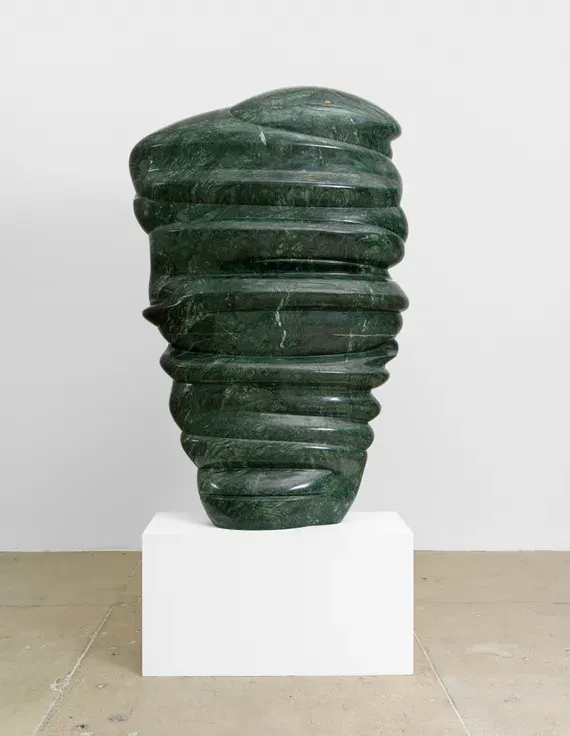
Tony Cragg
Masks
2021
Guatemalan green stone
160 x 105 x 45 cm
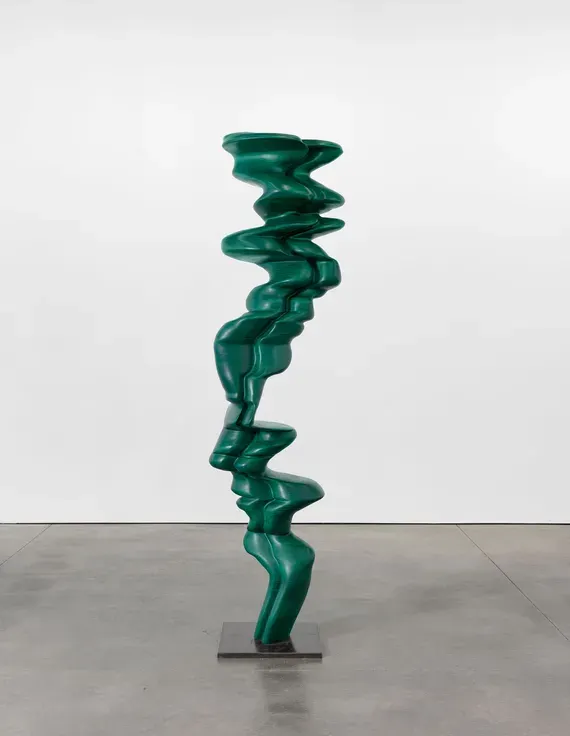
Tony Cragg
Eclipse
2025
Wood
200 x 50 x 50 cm
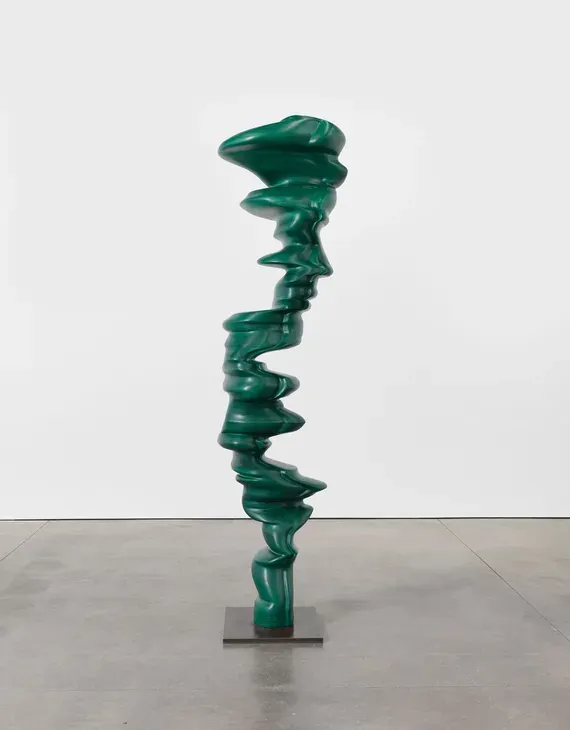
Tony Cragg
Eclipse
2025
Wood
200 x 40 x 40 cm
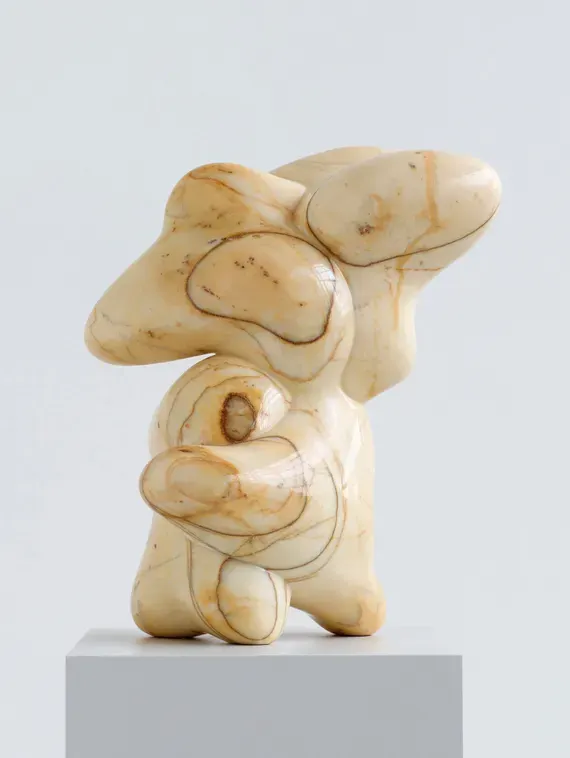
Tony Cragg
Integers
2023
Giallo siena stone
70 x 55 x 37 cm
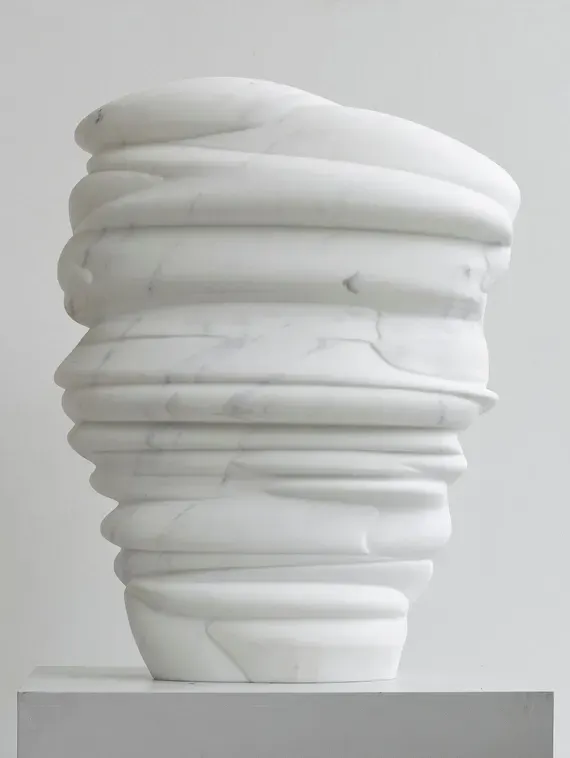
Tony Cragg
Masks
2021
Statuario stone
110 x 86 x 36 cm
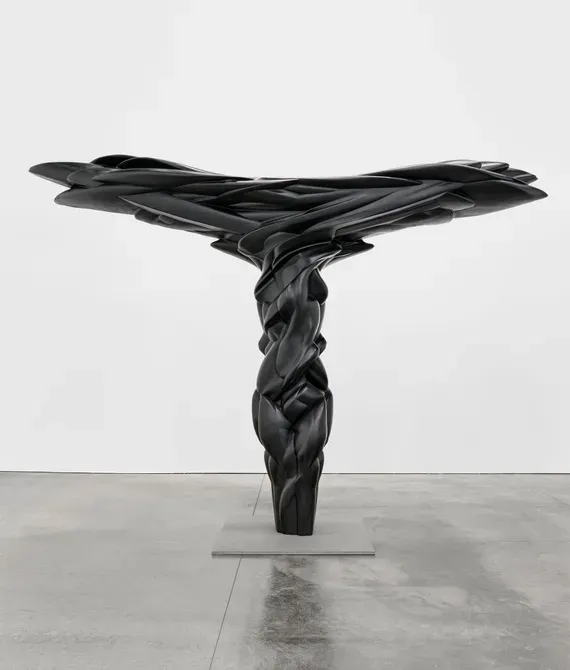
Tony Cragg
Over the Earth
2026
Bronze
260 x 359 x 100 cm
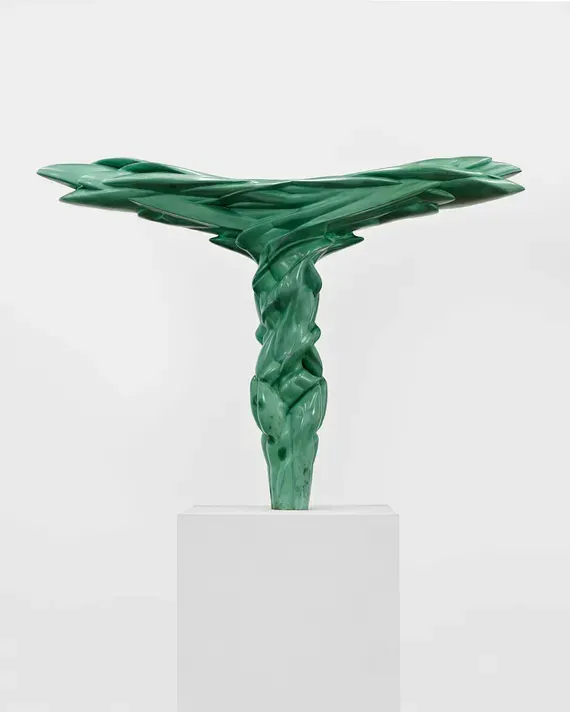
Tony Cragg
Over the Earth
2025
Bronze
80 x 110 x 31 cm
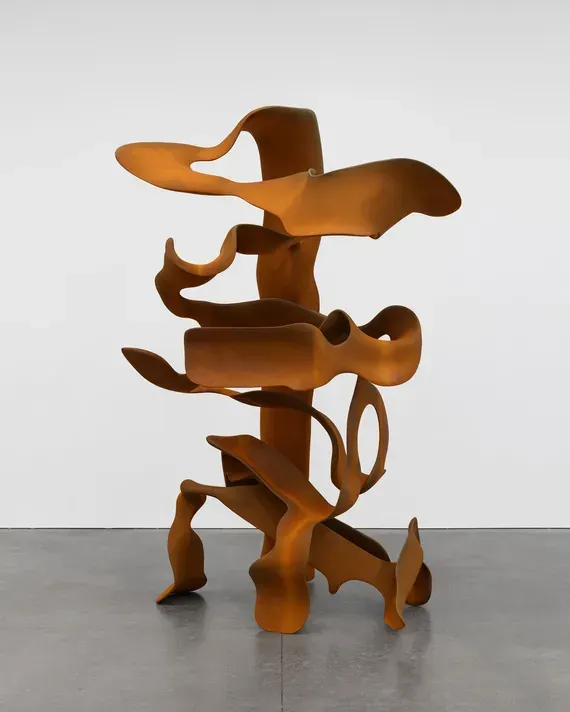
Tony Cragg
Path
2026
Corten steel
270 x 172 x 120 cm
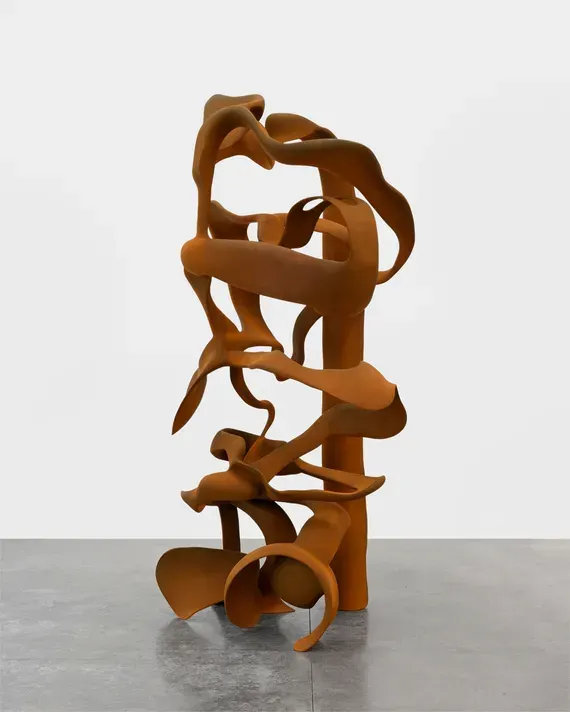
Tony Cragg
Recall
2025
Corten steel
258 x 132 x 106 cm
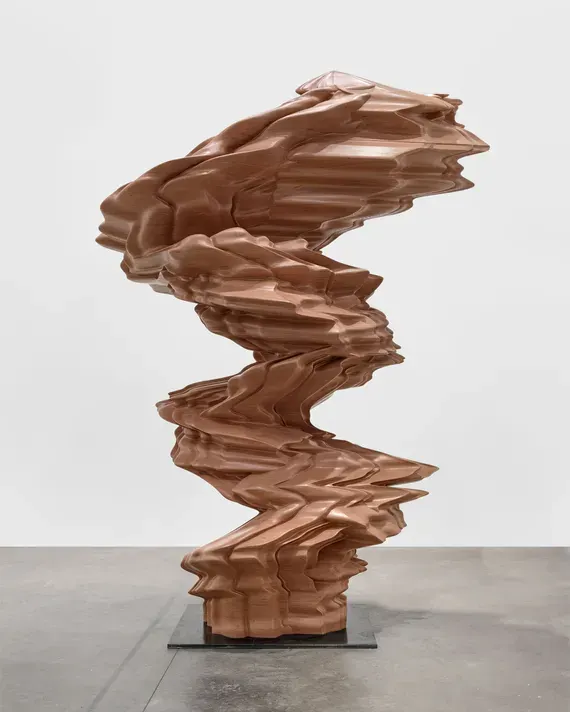
Tony Cragg
Stack
2024
Wood
290 x 207 x 138 cm
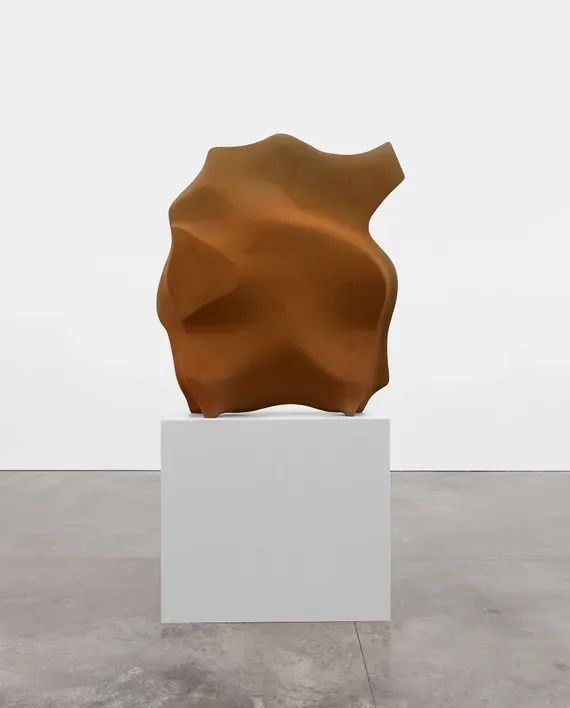
Tony Cragg
Stand
2025
Corten steel
115 x 36 x 108 cm
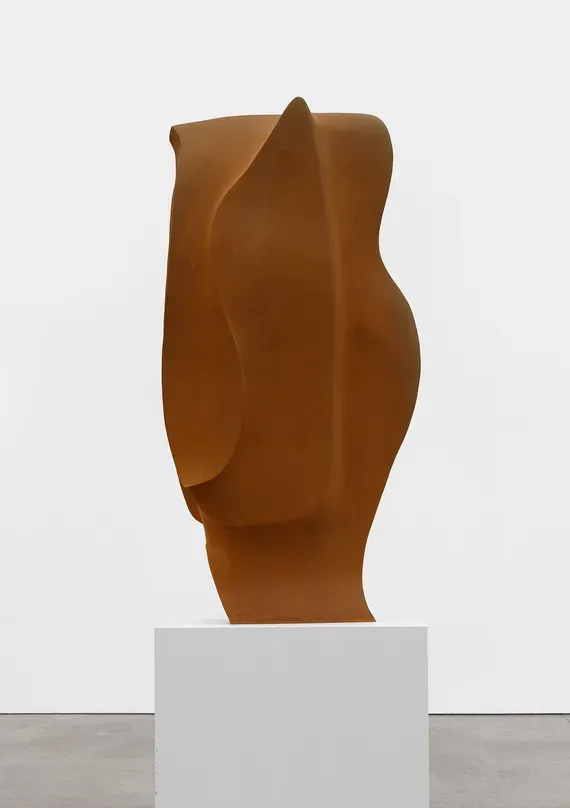
Tony Cragg
Stand
2025
Corten steel
120 x 60 x 30 cm
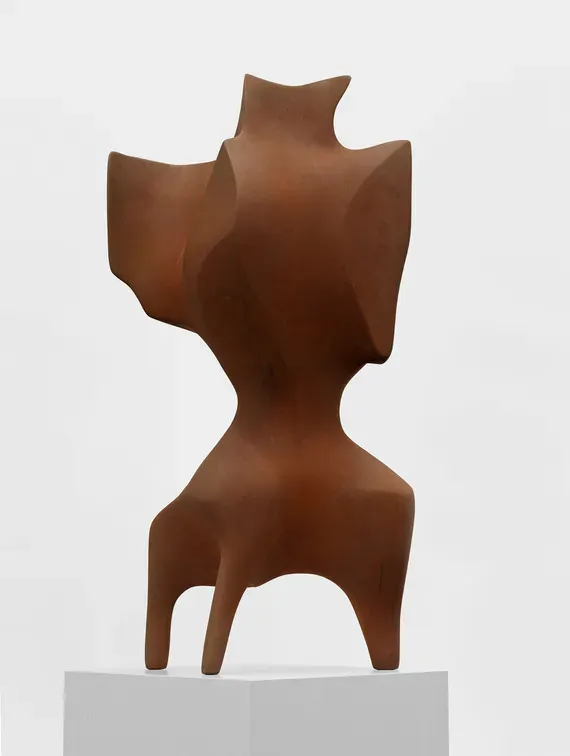
Tony Cragg
Stand
2023
Corten steel
110 x 46 x 68 cm
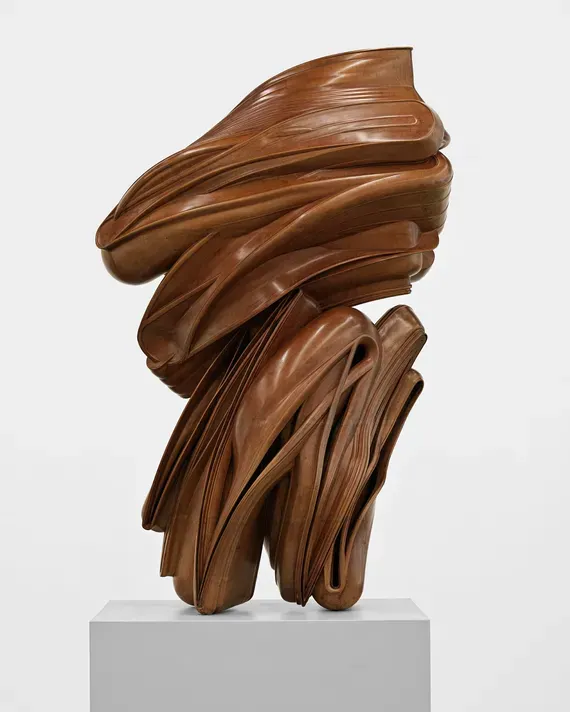
Tony Cragg
Stroke
2024
Bronze
135 x 85 x 43 cm
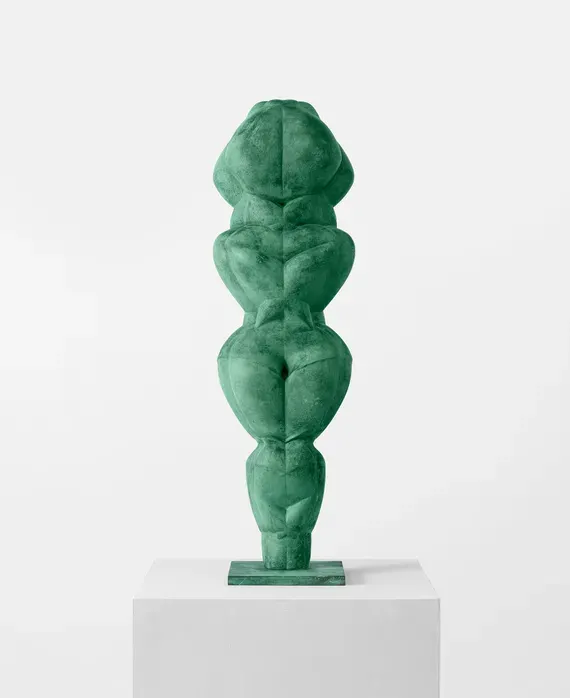
Tony Cragg
Symmetries
2026
Bronze
85 x 26 x 19 cm
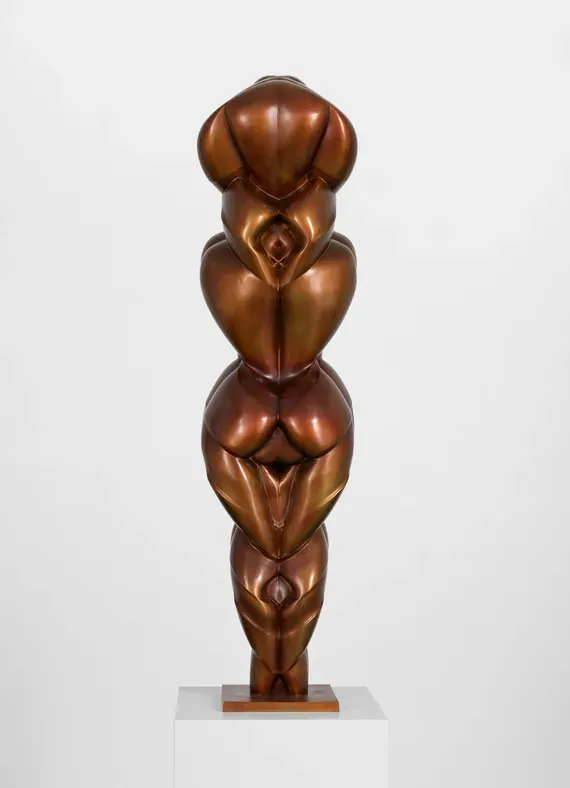
Tony Cragg
Symmetries
2026
Bronze
140 x 48 x 46 cm
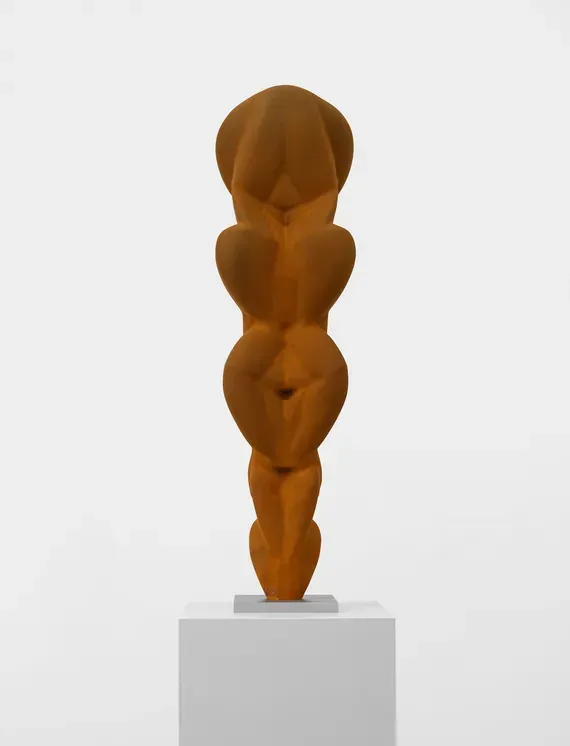
Tony Cragg
Symmetries
2026
Corten steel
100 x 27 x 25 cm
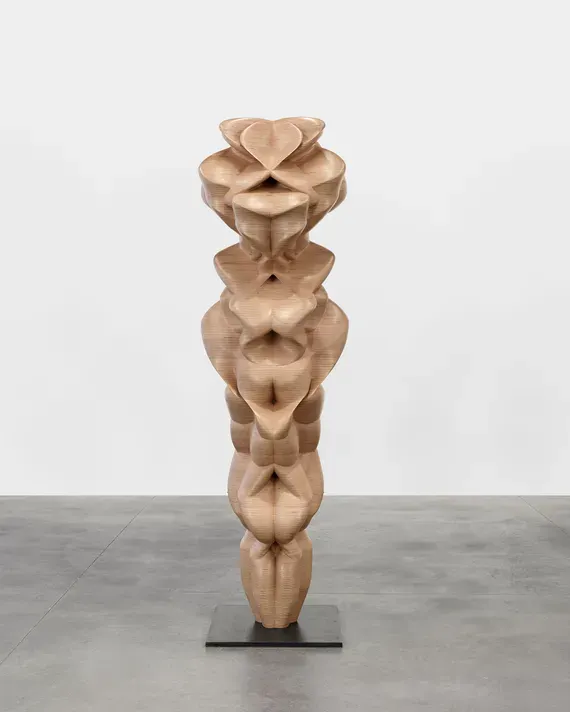
Tony Cragg
Symmetries
2026
Wood
200 x 57 x 60 cm
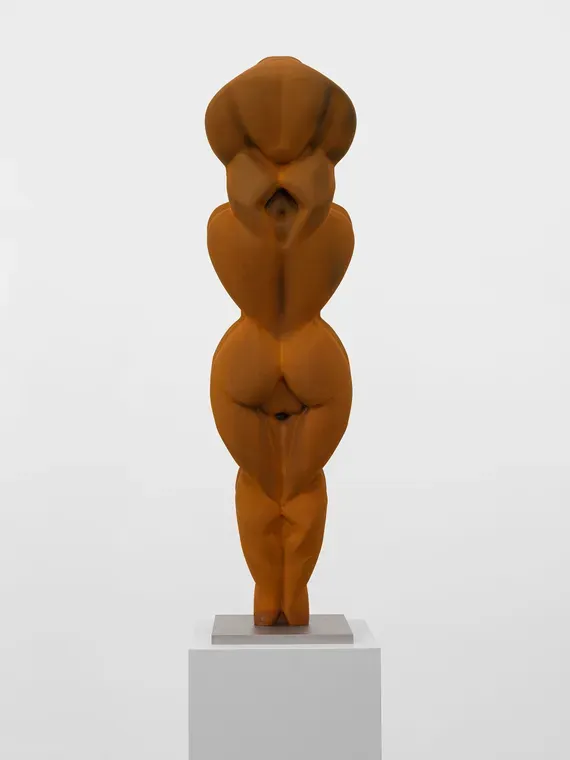
Tony Cragg
Symmetries
2026
Corten steel
125 x 33 x 36 cm
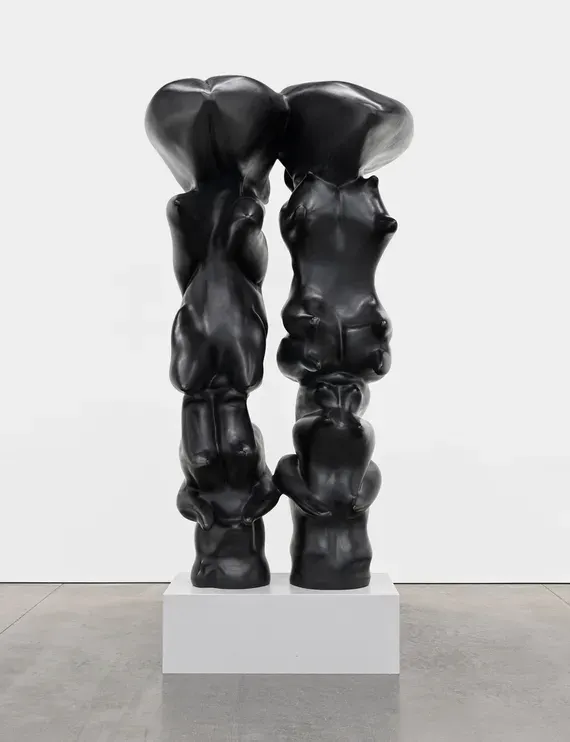
Tony Cragg
Untitled
2025
Bronze
200 x 120 x 110 cm
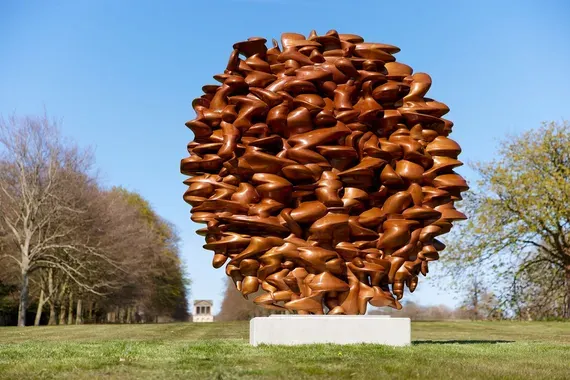
Tony Cragg
Versus
2018
Bronze
266 x 262 x 77 cm