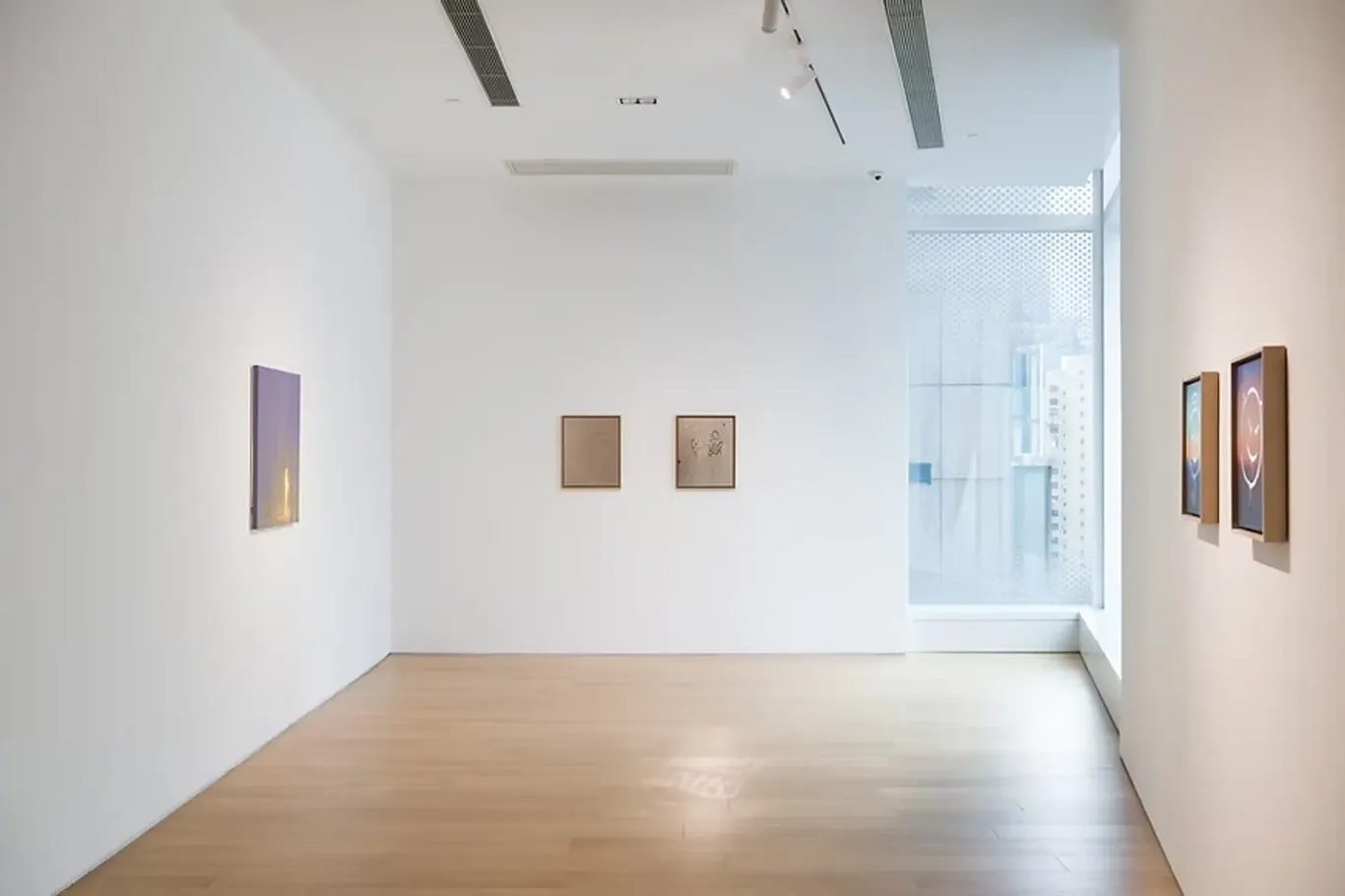
August 22 to October 10, 2026
Tang Contemporary Art, 10/F HQueens, 80 Queen's Road, Hong KongTuesday – Saturday 11 am – 7 pm Closed on Public Holidays
The title We Paint What You Might See reflects a shared impulse among Ben Ashton, Jochen Mühlenbrink and Ivan Pokidyshev: to treat painting not as a transparent record of the visible world, but as a deliberate reshaping of its surface. Each artist works from a position of technical mastery, yet none allows that mastery to settle into simple representation. Instead, they place both the physical act of seeing and the psychological process of perception under quiet pressure, opening a space where what appears is never exactly what is there.
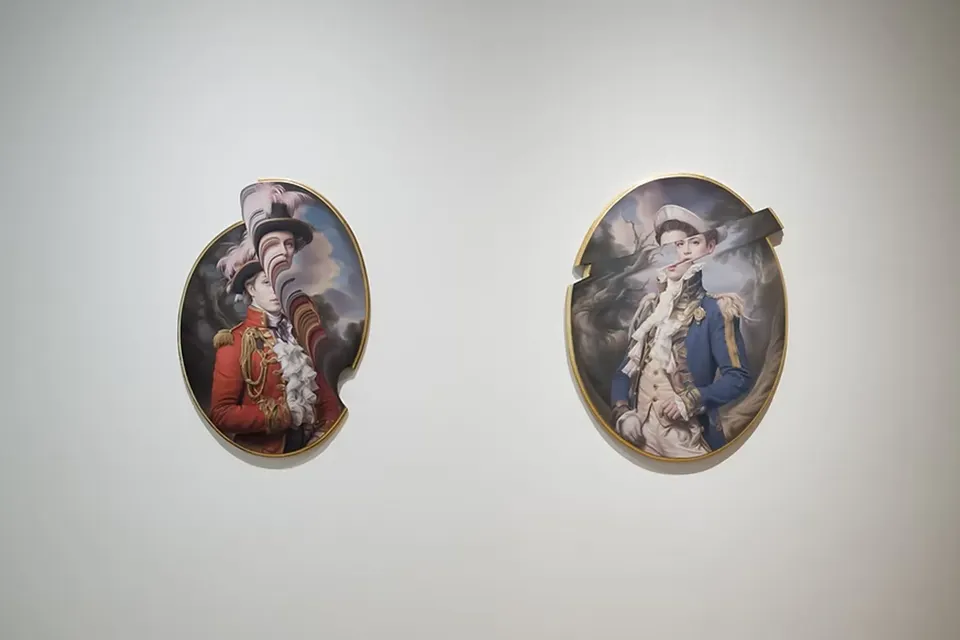
At the heart of their practices lies a philosophical tension between the physical and the perceived. The eye registers colour, form, texture and light. The mind, however, constantly interprets, completes and sometimes resists what it receives. These three artists play deliberately in that gap. They remind us that seeing is never purely optical. It is also psychological, shaped by expectation, memory, trust and doubt.Ben Ashton draws on the authoritative language of classical portraiture, its confident postures, refined surfaces and historical weight, only to fracture it. Having long studied the Old Masters, he introduces digital style glitches and formal ruptures that unsettle the very qualities of power, self assurance and historical certainty those images once sought to fix. The figures remain recognisable, yet the authority they project is compromised. Physically, the surface of the painting is disrupted. Psychologically, our confidence in the image begins to slip. What we thought we knew becomes provisional.This disruption of visual certainty finds a different expression in the work of Jochen Mühlenbrink. Working in the tradition of trompe l’œil, he turns fogged glass, condensation, residual marks and the reflective plane of the mirror into sites of hyperreal illusion. Through varnish, resin and acrylic on mirror glass, he constructs surfaces so convincing that the eye momentarily accepts them as physical rather than painted. Reality and representation collapse into one another. Here the physical surface becomes a psychological trap. We are left uncertain whether we are looking at an intervention on glass or a painting of one, and by extension whether any surface can be fully trusted.Ivan Pokidyshev extends the inquiry further still. Drawing on the logic of infrared thermography, he translates human warmth, vital energy and inner light into visible radiance against darkness. Figures glow from within, their presence rendered as light. What cannot ordinarily be seen, connection, solitude, the quiet force of living energy, becomes the primary subject. The painted surface no longer simply describes an outer form. It becomes a threshold through which the unseen is invited into visibility.Across these three practices, a deeper philosophical thread emerges. As Maurice Merleau-Ponty suggested, and as Paul Klee famously put it, painting does not merely reproduce the visible. It makes the invisible visible. Ashton makes the invisible instability of power legible within the classical image. Mühlenbrink makes the invisible conditions of perception, our reliance on surfaces and the fragility of visual trust, suddenly apparent. Pokidyshev most literally makes the invisible forces of warmth and connection luminous. In each case, the physical surface of the painting becomes a site where psychological and philosophical questions about seeing are brought into view.Though their methods differ, the three artists converge on a shared concern. Each refuses the idea of painting as neutral documentation. Ashton disrupts the historical image of power, Mühlenbrink questions the reliability of the material surface, and Pokidyshev reveals the invisible energy that underlies ordinary perception. In each case, exceptional technique is redirected toward uncertainty, revelation or emotional truth. What they paint is never simply what is present. It is what might be seen once the surface has been altered, inviting us into a more attentive, more open mode of looking.
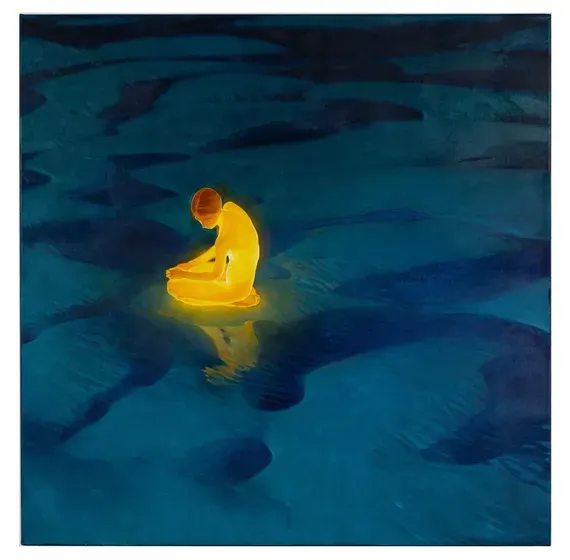
Ivan Pokidyshev
A Receding Sea
2026
Oil on canvas
110 x 110 cm
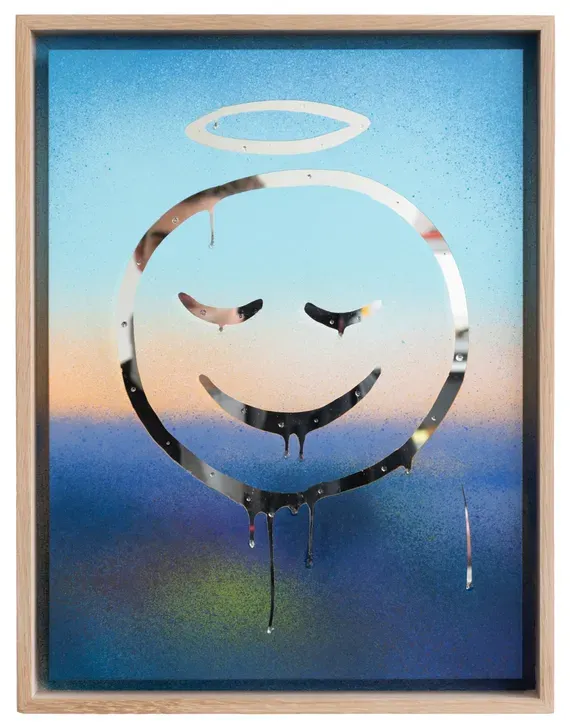
Jochen Mühlenbrink
Angel
2026
Acrylics and resin on mirror glass
44 x 34 cm
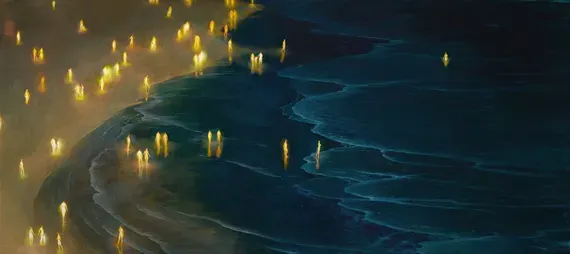
Ivan Pokidyshev
Carefree strolls at the edge of the night
2026
Tempera on canvas
85 x 190 cm
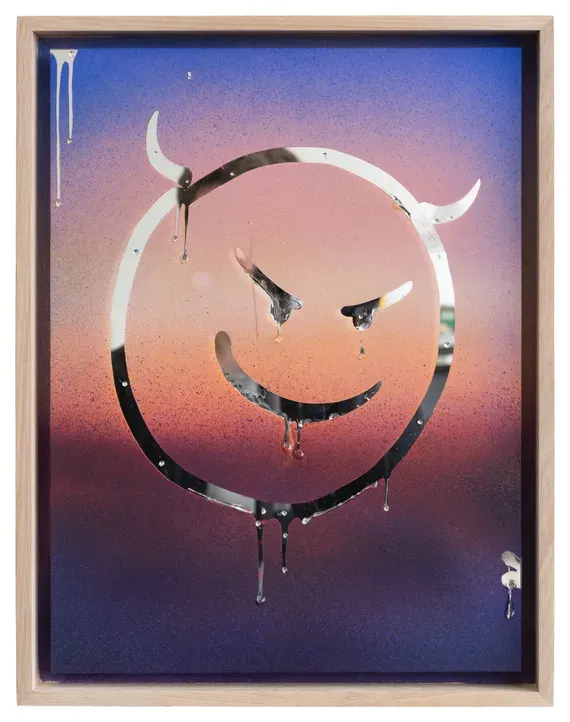
Jochen Mühlenbrink
Devil
2026
Acrylics and resin on mirror glass
44 x 34 cm
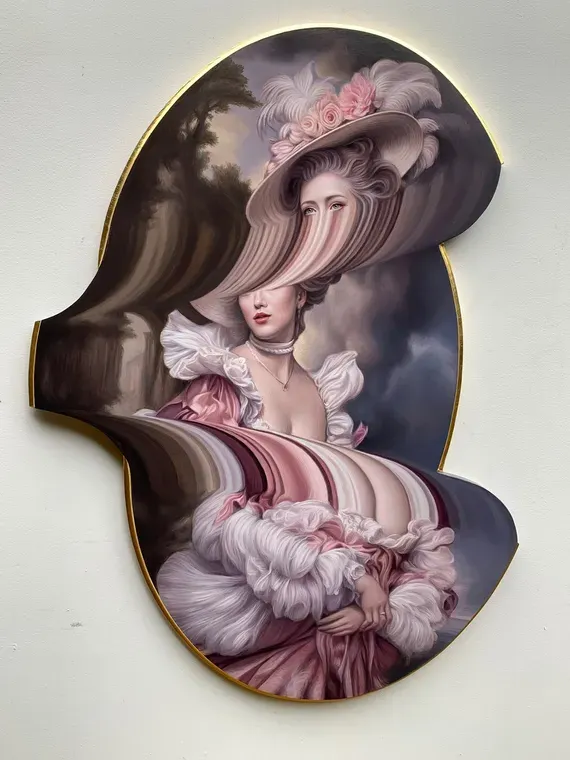
Ben Ashton
Exercise in Futility
2025
Oil on panel
105 x 78 cm
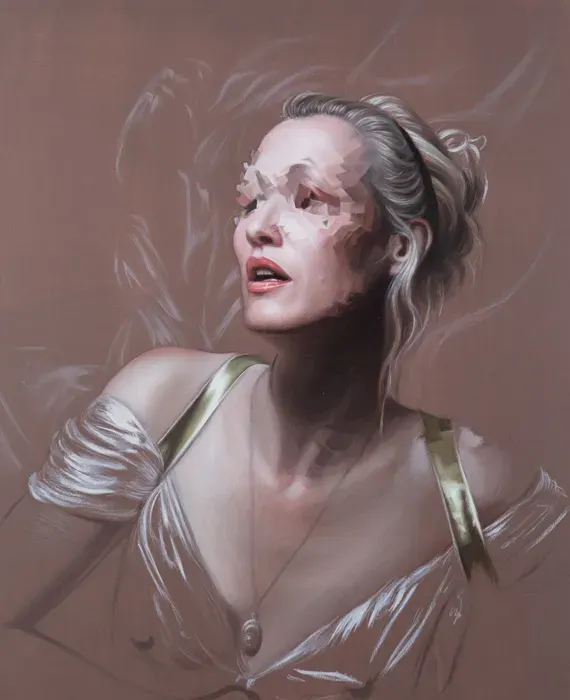
Ben Ashton
Figurehead
2025
Works on paper
61 x 51 cm
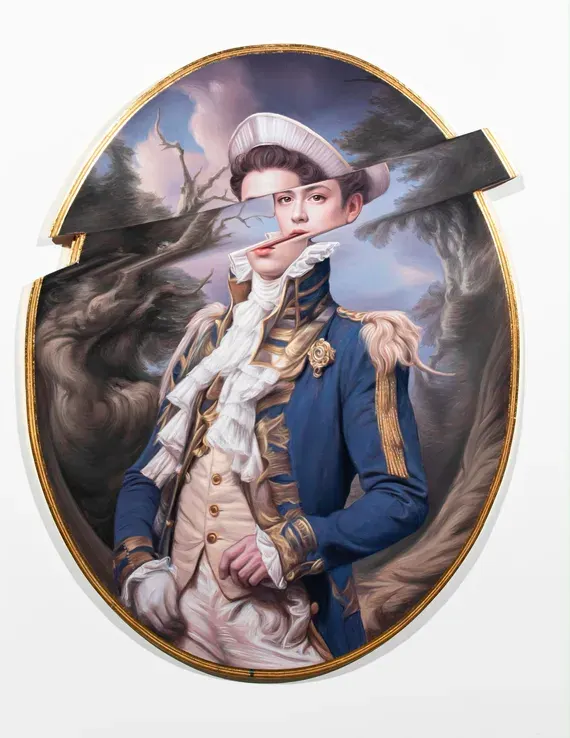
Ben Ashton
Hello Sailor
2025
Oil on panel
89 x 70 cm
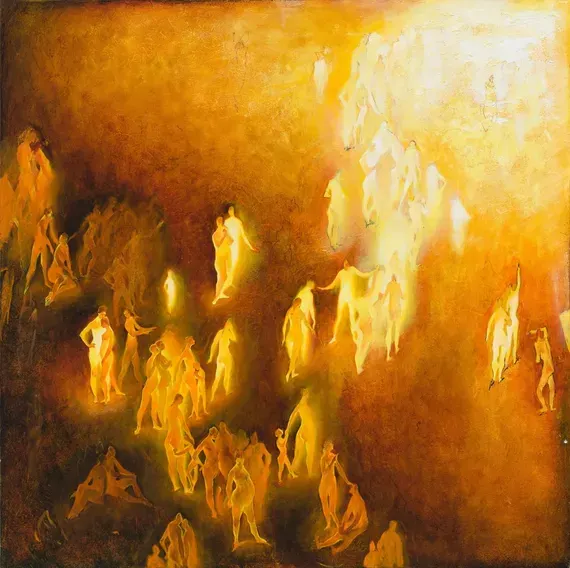
Ivan Pokidyshev
High Hope
2025
Oil on Canvas
70 x 70 cm
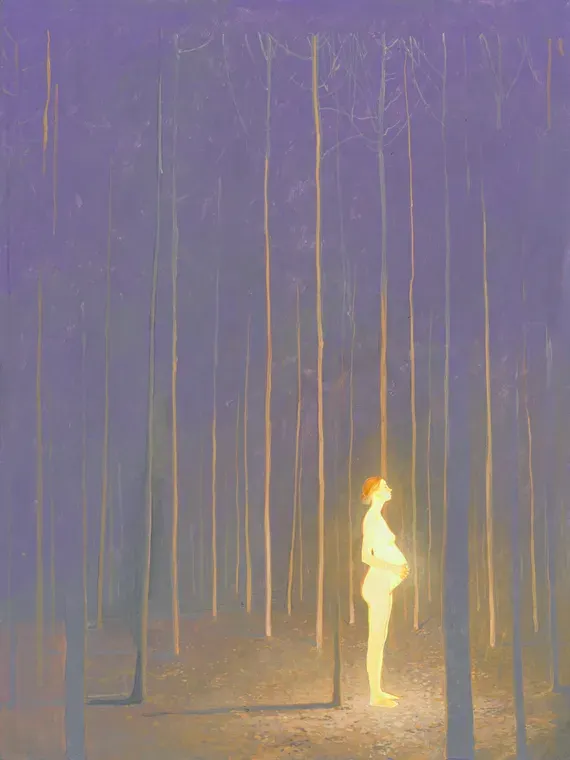
Ivan Pokidyshev
Inner Light
2025
Acrylic on Canvas
80 x 60 cm
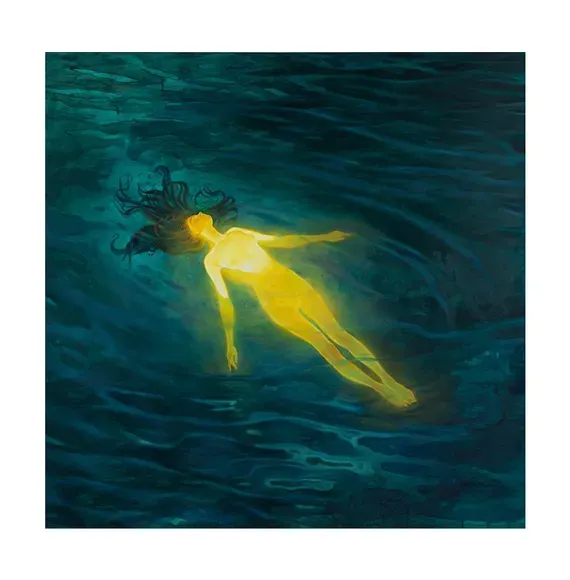
Ivan Pokidyshev
Lost in the night
2026
Tempera on canvas
110 x 110 cm
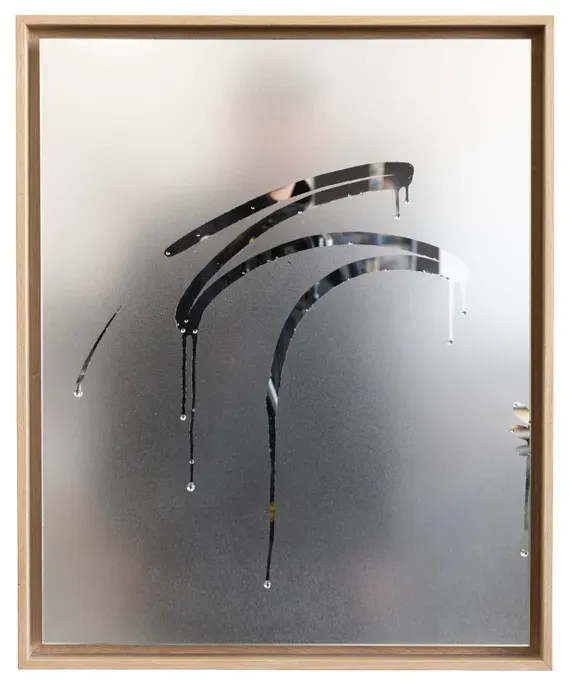
Jochen Mühlenbrink
Now
2026
Varnish and resin on mirror glass
54 x 44 cm
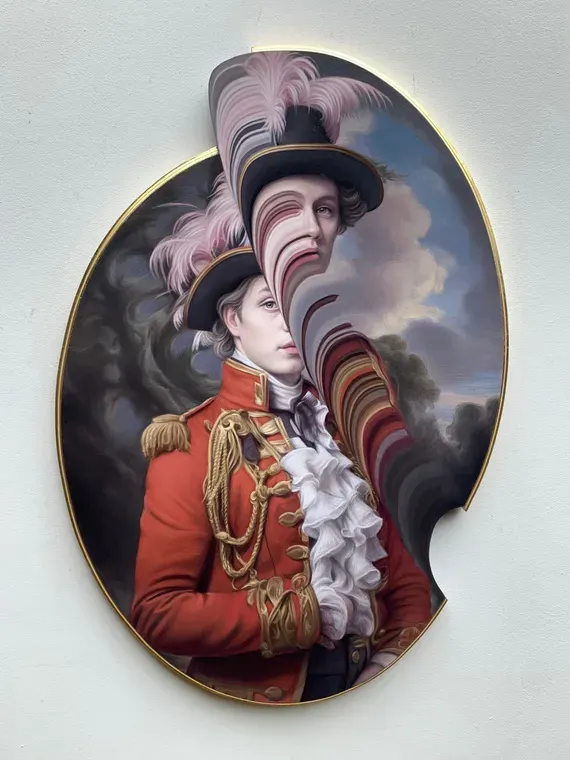
Ben Ashton
Planned Obsolescence
2025
Oil on panel
85 x 60 cm
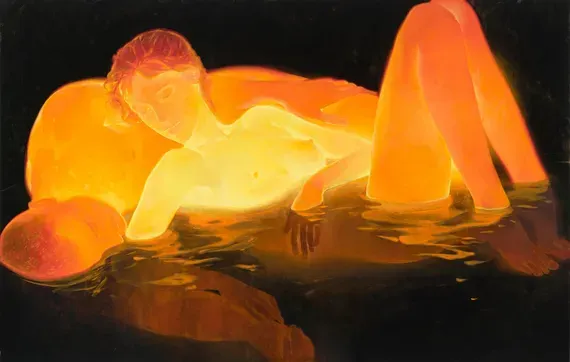
Ivan Pokidyshev
Serenity
2023
Acrylic on Canvas
90 x 140 cm
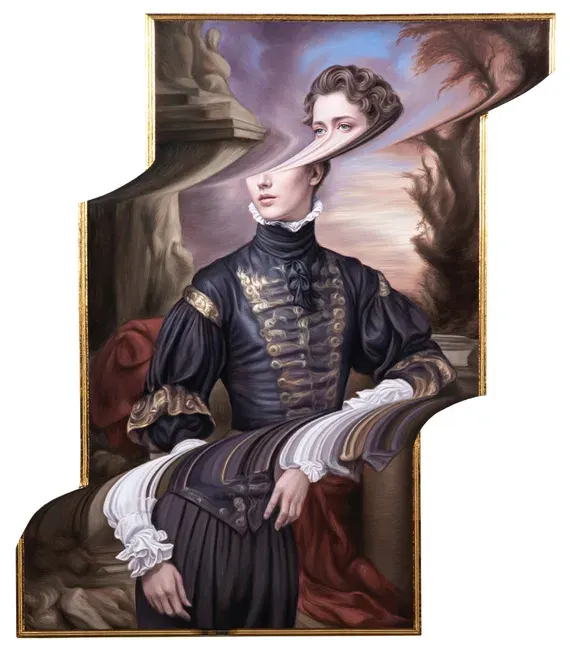
Ben Ashton
Sliding Inertia
2025
Oil on panel
97 x 84 cm
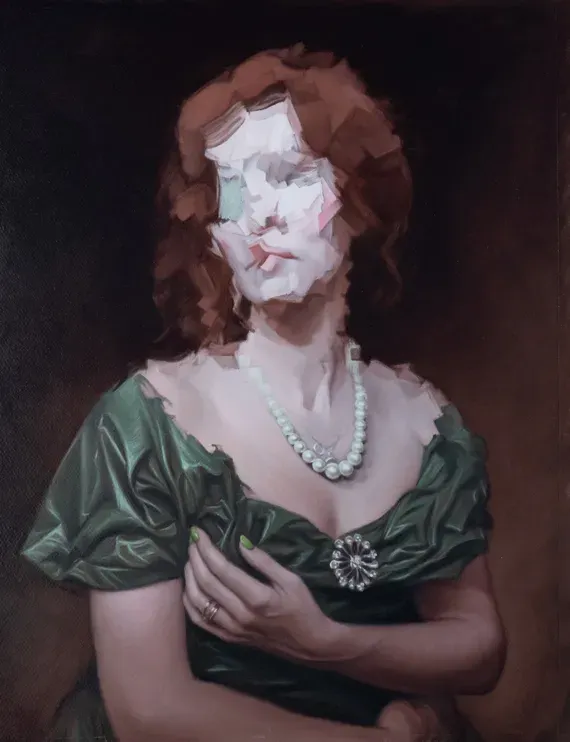
Ben Ashton
The Mews
2025
Works on paper
61 x 51 cm
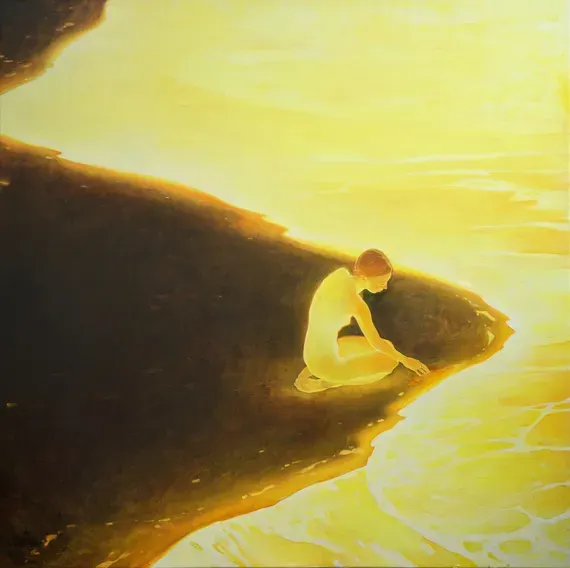
Ivan Pokidyshev
The ocean of warmth
2026
Oil on canvas
110 x 110 cm
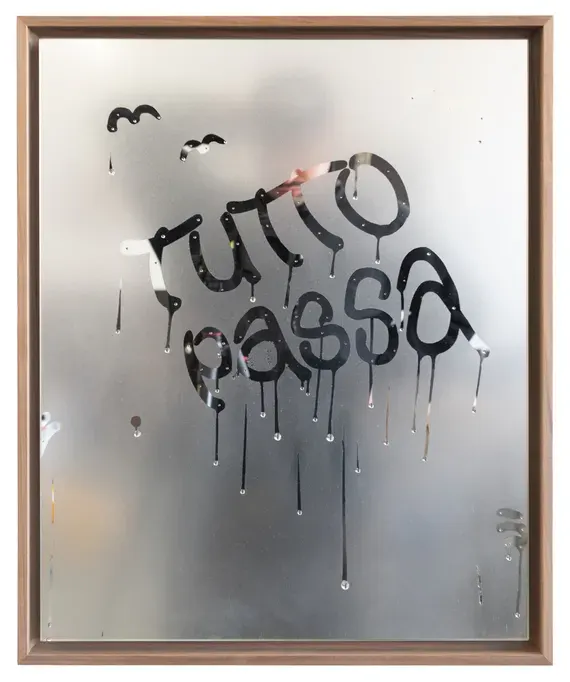
Jochen Mühlenbrink
Tutto Passa
2026
Varnish and resin on mirror glass
54 x 44 cm