Tuesday – Friday 11am – 6pm Saturday 12pm – 6pm and by appointment
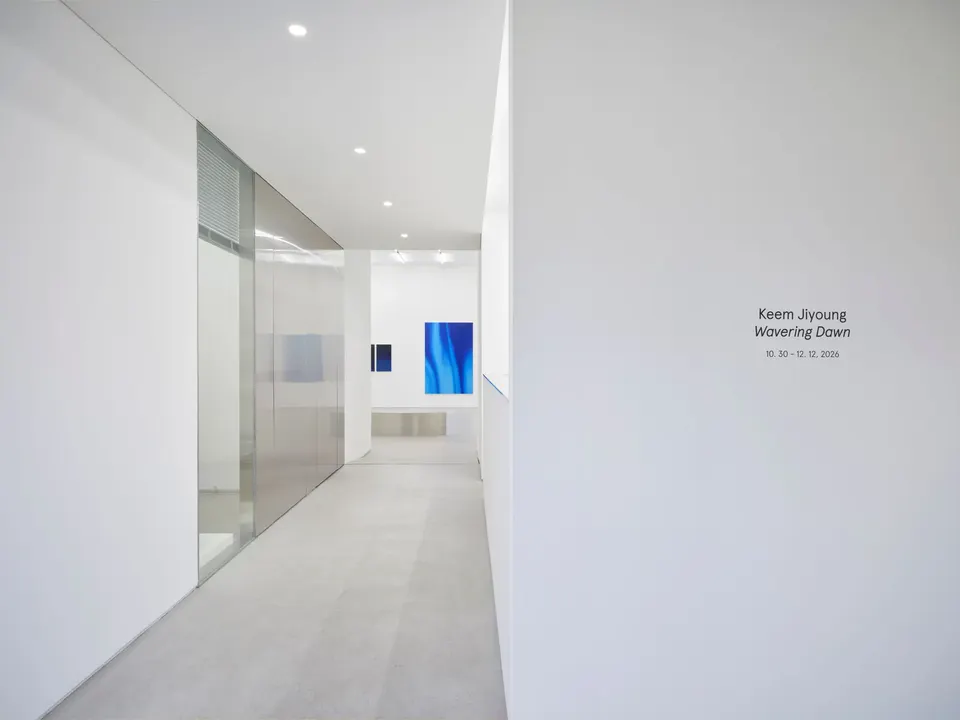
“The world is blue at its edges and in its depths.”1 After encountering Keem Jiyoung’s latest work, I spent some time seeking out writings about the colour blue. Before long, I discovered that, across generations, countless artists, writers, and philosophers have used blue as a subject in their writings and other creative works. Through novels, essays, poetry, film, and the philosophy of art, reflections on blue continue to unfold, exploring its elegance, melancholy, clarity, and depth—qualities that seem more pronounced in blue than in any other colour—as well as its affinities with nature, from water and the sea to wind and the sky, its freshness, familiarity, and gloom. Of all these reflections, the one that resonated with me the most was a sentence from Rebecca Solnit’s “The Blue of Distance,” quoted at the beginning of this essay. To be precise, I altered the original by omitting its following sentence, which describes how “this blue is the light that got lost.” In a place so full of blue, it seems only right to leave out the suggestion that something had vanished.
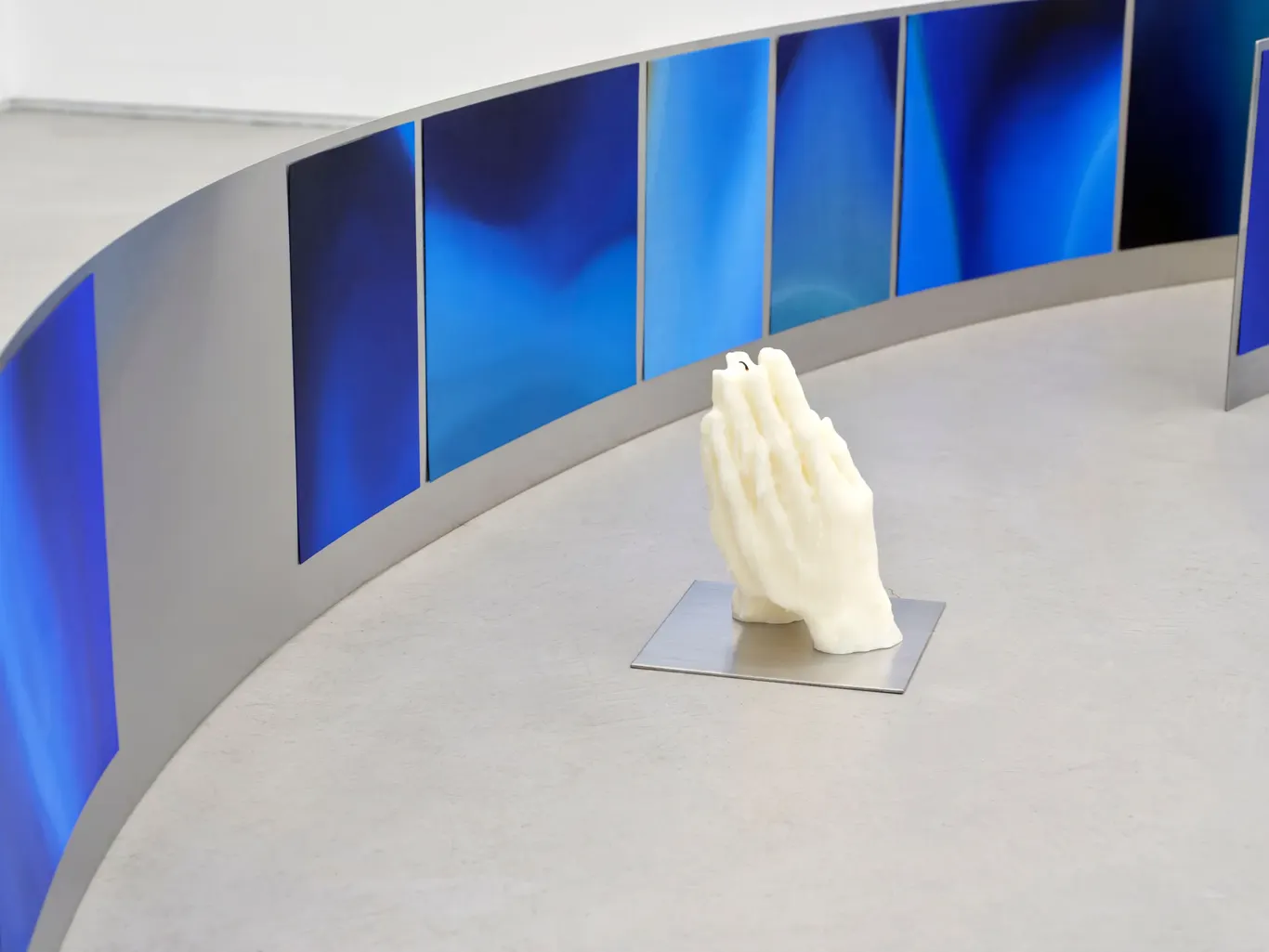
Among the countless shades of blue, Keem Jiyoung’s blue glow does not disappear; it remains close at hand. Her distinctive hue exists both materially and conceptually, within reach and within the very life we breathe through each day. Keem has continually observed the blue flame, the hottest part of a burning fire: how it meets the air and sets itself in motion, how it flickers as it consumes the wick, how it rises quietly, and how it finally dies down.She considers the ways in which its form, colour, and flickering differ from one moment to the next and how to translate all these differences onto the canvas. I hesitate, for a moment, to say that she paints the various forms of a candle flame, perhaps because that might make it seem as though this were the artist’s sole practice, or because it might oversimplify what the work encompasses, even if only slightly. Yet the blue flame, as a phenomenon, leaves behind a cool reflected light even after it has disappeared, and Keem’s paintings illuminate the places it reaches— places we had not yet noticed.Blue has not come to fill the exhibition space simply because it reflects the artist’s personal preferences or tastes. In fact, Keem’s extensive use of blue is closely connected to her earlier work. In “Blue Series” (2016–2018), created approximately a decade ago, the artist produced 32 scenes of disasters on paper using oil pastels. Rendered as though seen through a blue filter, these 32 scenes transformed images of tragic events in modern and contemporary Korean history and the newspaper reports that covered them. The interior pages and page edges of the book “Wind Beyond the Closed Windows” (2017–2018), published in conjunction with the series around the same time, were also blue. Instead of being carried away by the intensity of her empathy when confronted with absurdity, Keem chose blue as the dominant visual impression of her work, allowing her to observe such events with greater detachment and clarity.2 In this sense, blue is more rational than emotional. In her new work, the artist used paints that did not mix more than two colors in order to preserve the purity of each hue. Blue, which had served as a means of evoking sensation while restraining emotion, has thus taken on a broader role: it generates variation through the ways in which the paint is applied as a material and the surface is gradually built up.Although candles have never appeared directly on the canvas, these slender, elongated objects embody the symbolism of human life for Keem. Through the candle, she evokes a sense and awareness of death, which lies inherent in the most intimate depths of life and at its furthest edges. When she lights a candle and its single, continuous wick burns, fulfilling its purpose, the artist is reminded of the finitude of life. It is as though time flows inexorably, the colors of sunset giving way to the blue of dawn and ushering in the whiteness of morning. Yet this transition is by no means gentle; it unfolds through flickering lights. Candles and fire first appeared as subjects of observation in her paintings in her representative series “Glowing Hour” (2020–present) in which the use of red as the dominant colour in various forms made the connections between fire, heat, flames, and vitality relatively clear.In these new works, apart from a shift in colour, the subjects and modes of expression remain largely unchanged from her previous work. Yet, against the backdrop of that earlier series, she confronts the theme of death more directly through the wavering, unsettling sensation evoked by blue.3 At first glance, her paintings appear to take the form of monochromatic color-field abstraction. However, when considered in the context of representation and observation described above, Keem’s paintings reveal themselves to be concrete and, in some cases, even figurative. The candle burning along a single wick evokes the irreversible passage of time and the lives that move in their own directions within it. Having emerged through Keem Jiyoung’s entire oeuvre, Blue Glow (2026) is, in this sense, not so far removed from us. It is a light that exists in the world as both a material presence and a phenomenon, one we have experienced directly or indirectly, see and feel every day, yet easily forget due to its familiarity, much like the everyday itself. It is an underlying light, neither opulent nor terrifying, and neither ambiguous nor pretentious. The textures layered upon the surface of the works stand meticulously on end, as if intent on reflecting and awakening this faint, elusive sensation at the very edge of perception. From the low-hanging drawings and canvases in the exhibition space, a blue glow flows forth, passing between the deeply inscribed brushstrokes and the layers of differently paints, like a window open toward the dawn.1 Rebecca Solnit, “The Blue of Distance,” in A Field Guide to Getting Lost, trans. Kim Myeongnam (Banbi, 2018), p. 51.In “The Blue of Distance,” an essay included in her book, writer and historian Rebecca Solnit explores the color blue as it appears in works of art she has encountered throughout her life, including Yves Klein’s blue, Leonardo da Vinci’s paintings, and cyanotype photographs. In particular, the “blue of distance” refers to distant parts of a scene that were rendered in a bluish hue to create a sense of perspective.Solnit describes how painters of the time used blue to depict unknown worlds beyond their reach, drawing a parallel with worlds she herself has never visited.2 From an interview with the artist for the production of an interview video for the exhibition Young Korean Artists 2019: Liquid Glass Sea (April 23, 2019).3 To establish a connection between the works, Keem used the green, orange, and red hues from Glowing Hour as underpainting for this work, allowing them to show through as varied shades of blue. From an interview with the artist on May 29, 2026.
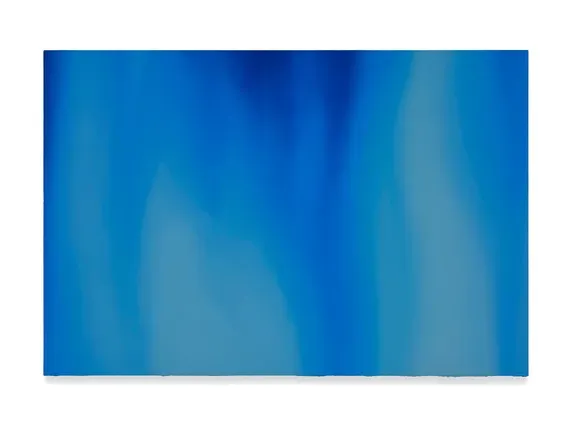
Keem Jiyoung
Blue Glow
2025
Oil on canvas
130.3 x 194 cm
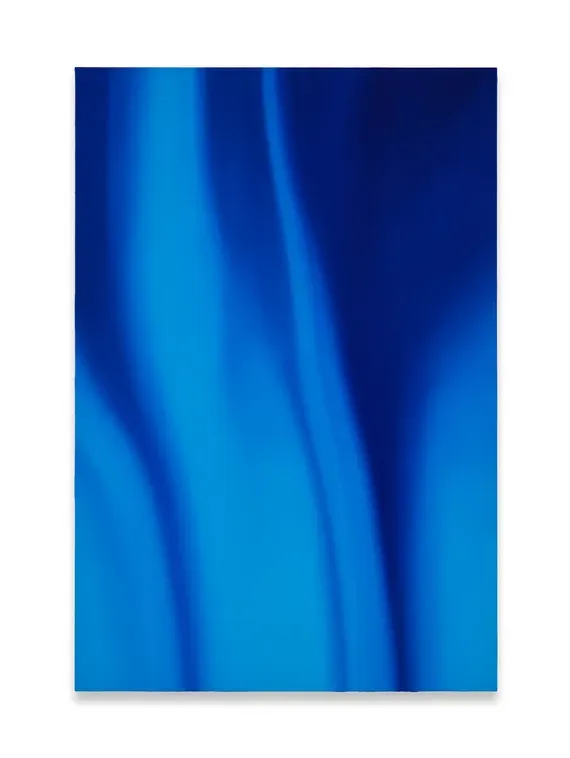
Keem Jiyoung
Blue Glow
2025
Oil on canvas
194 x 130.3 cm
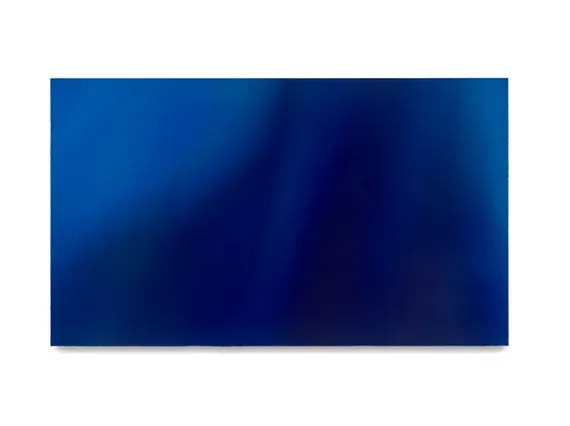
Keem Jiyoung
Blue Glow
2026
Oil on canvas
142.2 x 243.8 cm
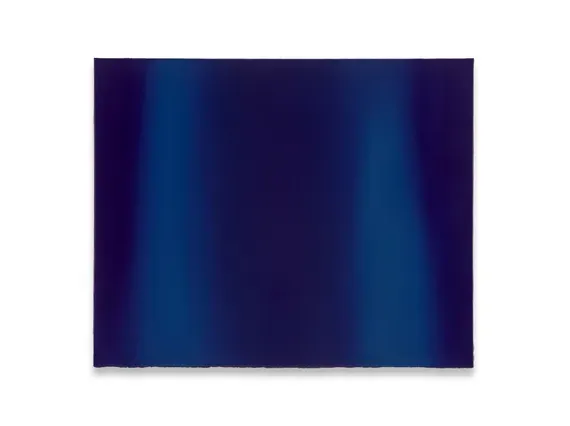
Keem Jiyoung
Blue Glow
2026
Oil on canvas
65.3 x 80.5 cm
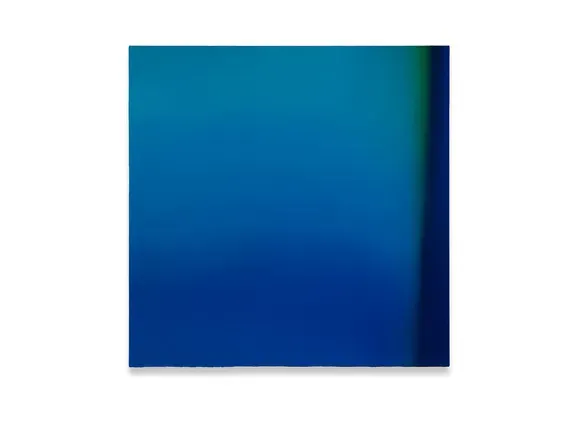
Keem Jiyoung
Blue Glow
2025
Oil on canvas
130.3 x 130.3 cm
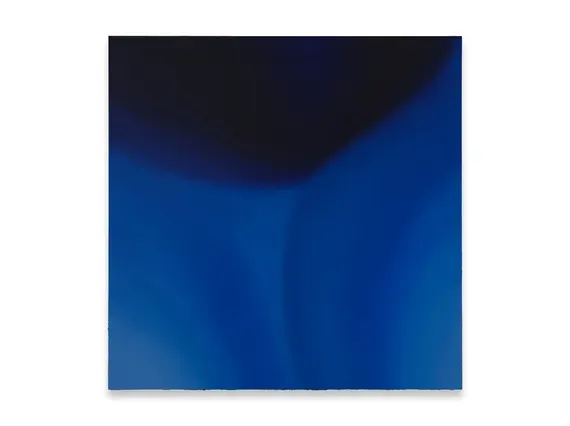
Keem Jiyoung
Blue Glow
2025
Oil on canvas
130.3 x 130.3 cm
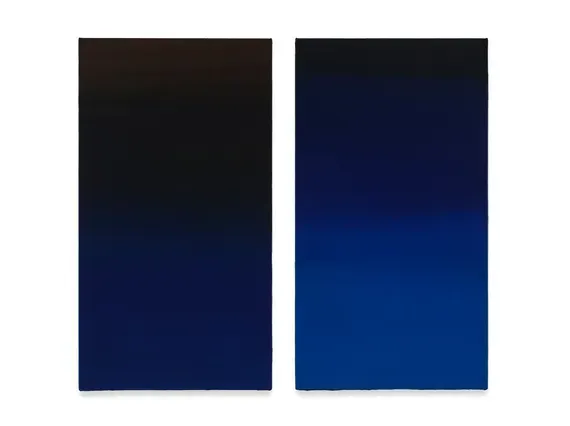
Keem Jiyoung
Blue Glow
2025
Oil on canvas
73 x 85 cm
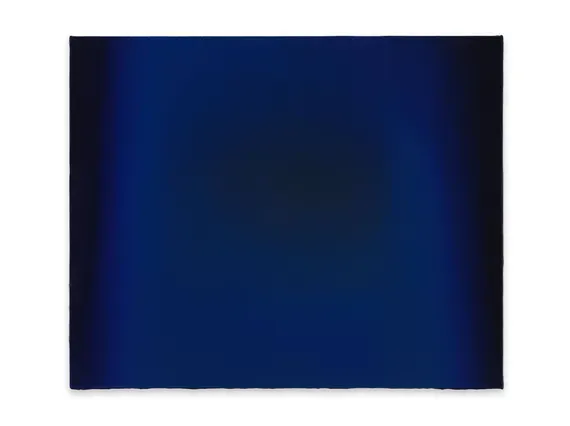
Keem Jiyoung
Blue Glow
2025
Oil on canvas
65.3 x 80.5 cm
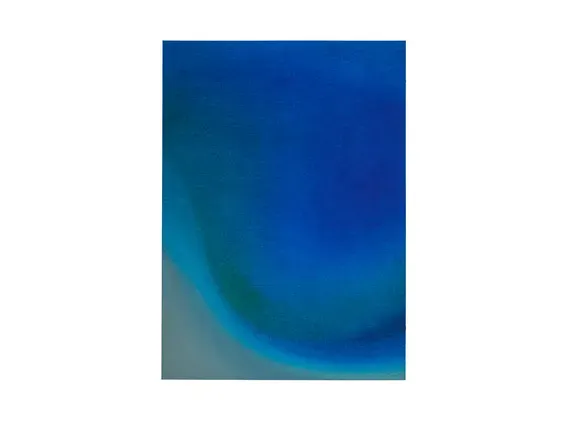
Keem Jiyoung
Drawing for Blue Glow
2026
Oil on paper
33 x 24 cm
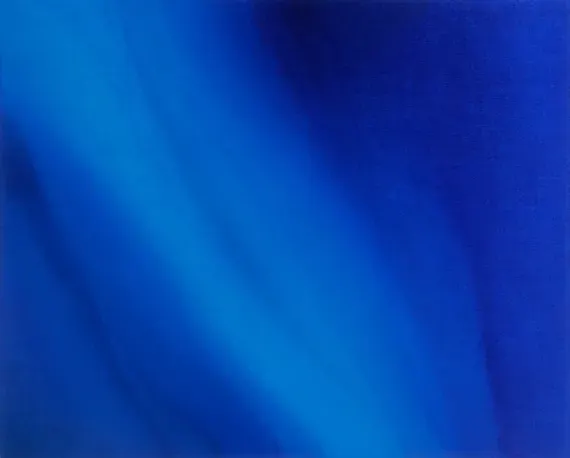
Keem Jiyoung
Drawing for Blue Glow
2026
Oil on paper
33 x 41 cm
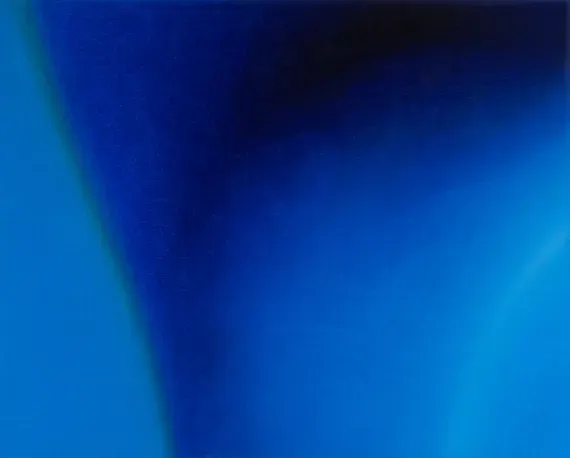
Keem Jiyoung
Drawing for Blue Glow
2026
Oil on paper
33 x 41 cm
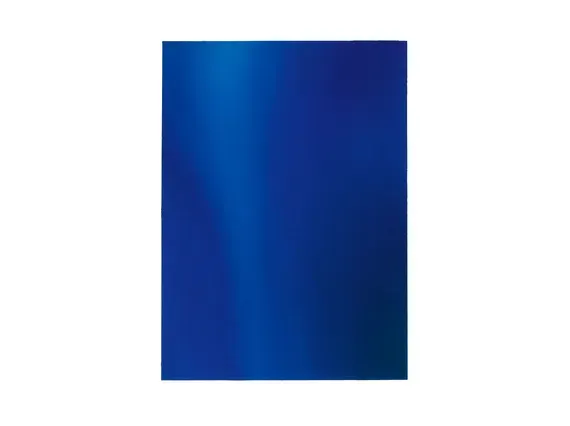
Keem Jiyoung
Drawing for Blue Glow
2026
Oil on paper
33 x 24 cm
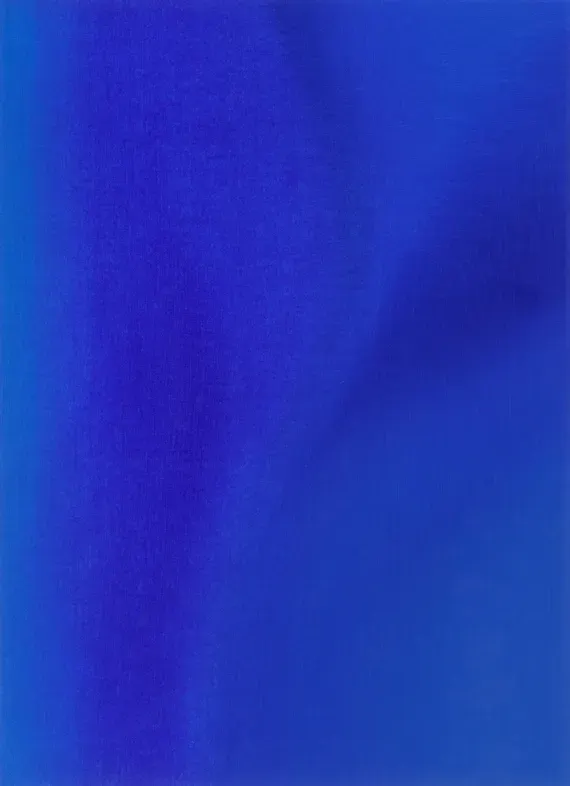
Keem Jiyoung
Drawing for Blue Glow
2026
Oil on paper
40.5 x 31.5 cm (incl frame)
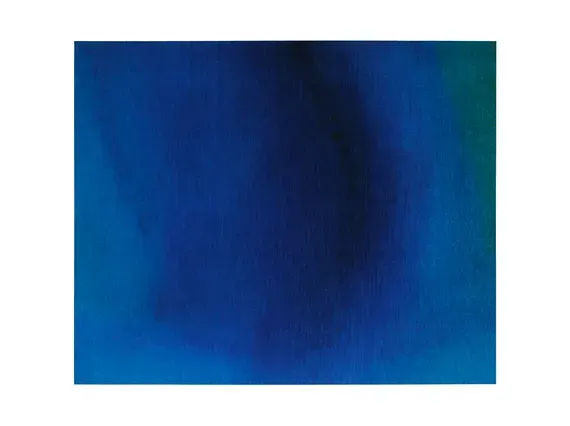
Keem Jiyoung
Drawing for Blue Glow
2026
Oil on paper
33 x 41 cm
Keem Jiyoung
Drawing for Blue Glow
2025
Oil on paper
33 x 41 cm
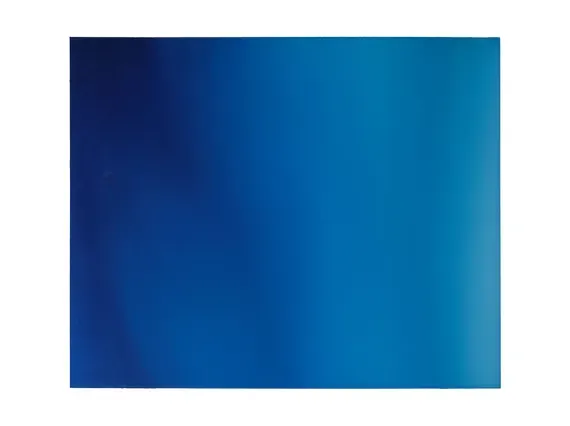
Keem Jiyoung
Drawing for Blue Glow
2026
Oil on paper
33 x 41 cm
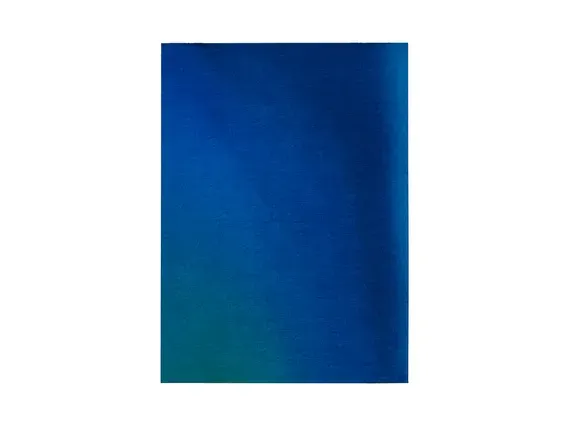
Keem Jiyoung
Drawing for Blue Glow
2026
Oil on paper
33 x 24 cm
Keem Jiyoung
Drawing for Blue Glow
2026
Oil on paper
33 x 24 cm
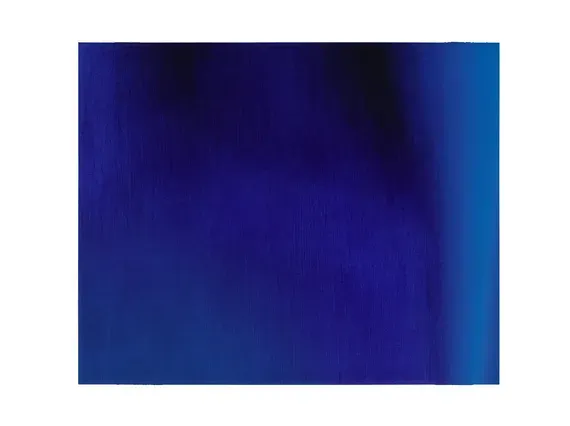
Keem Jiyoung
Drawing for Blue Glow
2026
Oil on paper
33 x 41 cm
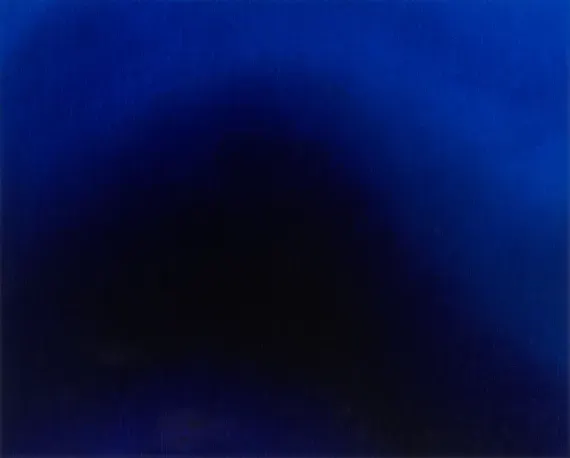
Keem Jiyoung
Drawing for Blue Glow
2026
Oil on paper
33 x 41 cm
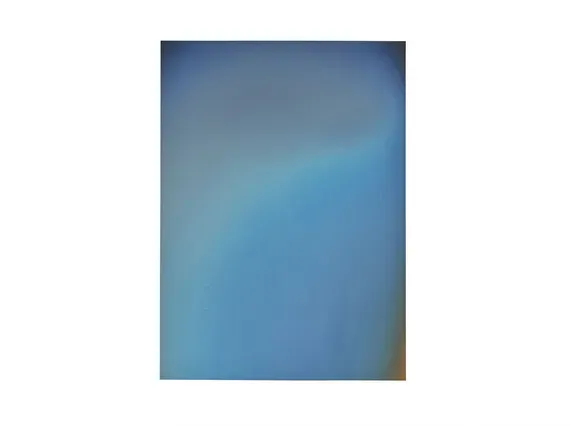
Keem Jiyoung
Drawing for Blue Glow
2025
Oil on paper
33 x 24 cm
Keem Jiyoung
Drawing for Blue Glow
2026
Oil on paper
33 x 24 cm
Keem Jiyoung
Drawing for Blue Glow
2026
Oil on paper
33 x 41 cm
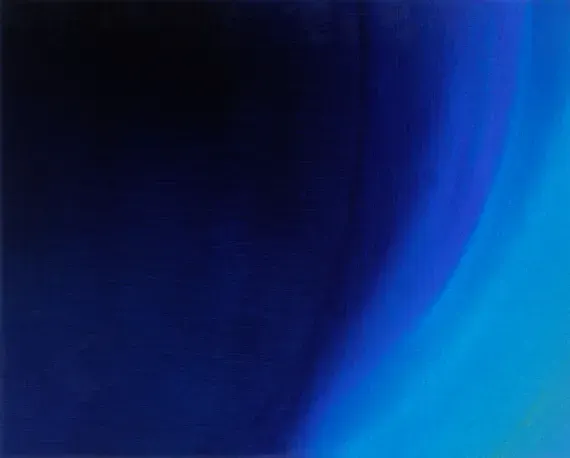
Keem Jiyoung
Drawing for Blue Glow
2026
Oil on paper
33 x 41 cm