November 4, 2026 to January 9, 2027
Lisson Gallery, 508 West 24th Street, New YorkTuesday – Saturday 10am – 6pm
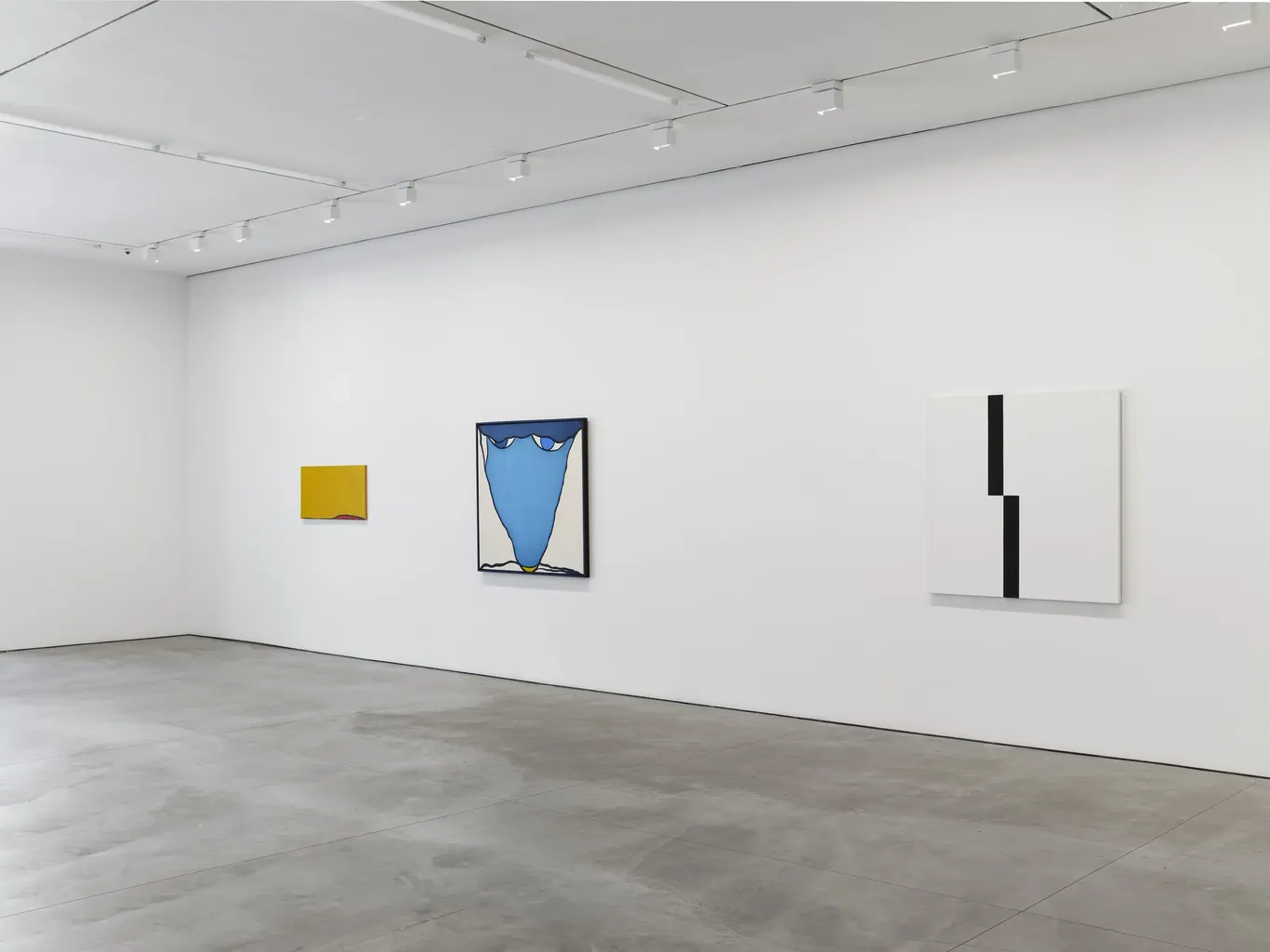
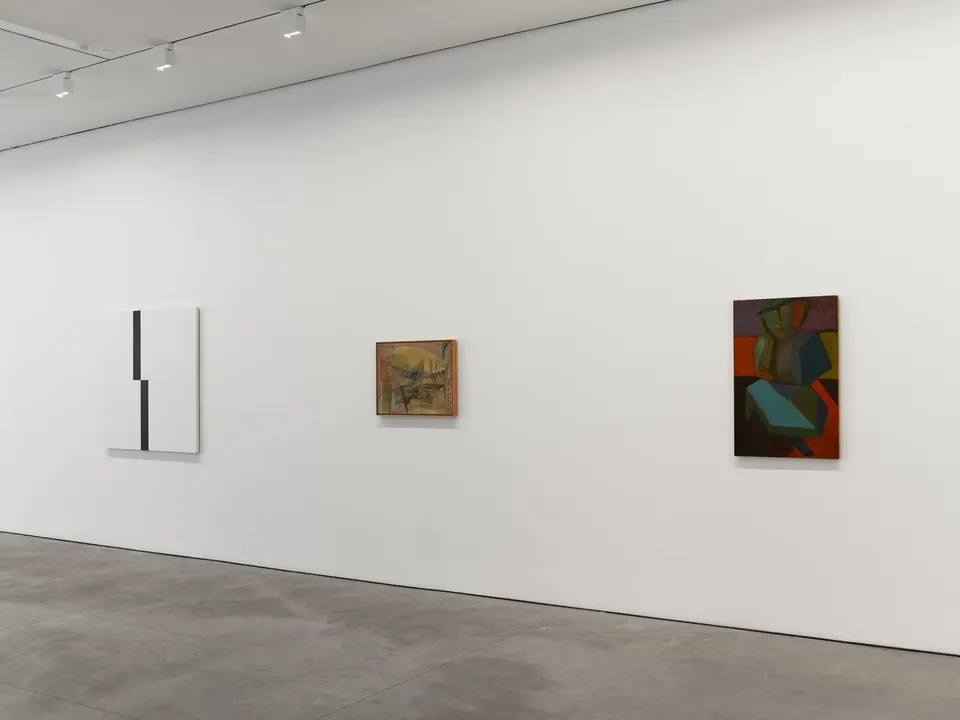
Inspired by Carmen Herrera’s peripatetic existence between Havana, New York and Paris and her subsequent shifts in style, this show centers on a wider, interconnected group of twentieth-century artists who moved to spend formative time within new communities of artists and writers in Mexico City, São Paulo, London and elsewhere. Following patterns of diaspora triggered by repression, conflict, curiosity and adventure, this exhibition includes works made by seven artists – Huguette Caland, Chen Kong Fang, Carmen Herrera, Wifredo Lam, Hélio Oiticica, Alice Rahon and Mira Schendel – during and after World War II, each charting a new geographic or formal horizon. The show weaves in and out of movements such as Surrealism, Neo-Concretism and Existentialism, in order to trace the artistic diversions and cross-cultural exchanges that each adopted country and each migration had on the evolution of their practices.
A never-before-seen painting by Carmen Herrera, Early Figure Female (1941, pictured below), serves as a point of departure. Leaving behind Cuba’s brutal revolution on her journey towards geometric abstraction, she took in the influences of early Abstract Expressionism and Tachism for Lignes Guides #30 (1951), while meeting and forming a relationship with another globetrotting compatriot, Wifredo Lam. His own mission led him from mid-century paintings featuring ‘diabolical’ animals to his characteristic fragmented humans that challenged the hegemony of Western Modernism by way of his Afro-Caribbean and Latin American heritage. Commenting on Lam’s colonial legacy, Claude Cernuschi wrote: “as languages migrated, myths migrated along with them.”Similarly rooted in travel as a source of mythical narratives, Leonora Carrington’s Brothers (1953) – painted a decade after she emigrated to Mexico – shows the bond between her young sons through hieroglyphic pairs of Egyptian jackals and bird-like creatures. She reached her mature fusions of man and beast in portrayals of former lover Max Ernst as a nightingale, as in Señor Ruiz el Ruiseñor (1967). In the aftermath of trips across the Pacific Northwest, Carrington’s contemporary, the French Surrealist poet Alice Rahon, also introduced local visual cultures and Indigenous mythologies to her work, infused as it was previously with homages to modern figures, notably Paul Klee. Migration as a catalyst for personal liberation can likewise be seen after Huguette Caland’s relocation from Beirut to Paris, where she developed a newly sensual language of painting, heralding her Bribes de corps series from 1970.The work of three artists who found or left Brazil against their will – Chen Kong Fang, Mira Schendel, and Hélio Oiticica – sheds further light on the transformative power of displacement, presenting it as an impetus towards artistic synthesis and freer expression. Fang demonstrates a unique fusion of European still life with his training under a Japanese émigré teacher, while retaining a connection to the philosophies of his Chinese upbringing. Schendel’s early figuration drew on Morandi and metaphysics, before she entered into a dialogue with Brazilian artists and thinkers who led her to experiment with cryptic letterforms and broken language on Japanese rice paper.A peer of Schendel, Oiticica found Brazil’s political climate restrictive, choosing self-imposed exile in London and New York to move beyond his early geometric abstractions, as seen in Pintura H (1956–57), towards more immersive, participatory forms of expression. This is exemplified in the 1972 Parangolé, a wearable cape activated through audience interaction, which he made once he reached America and began the deconstruction of the man, the myth and his own Tropicália movement. Courtesy Lisson Gallery.
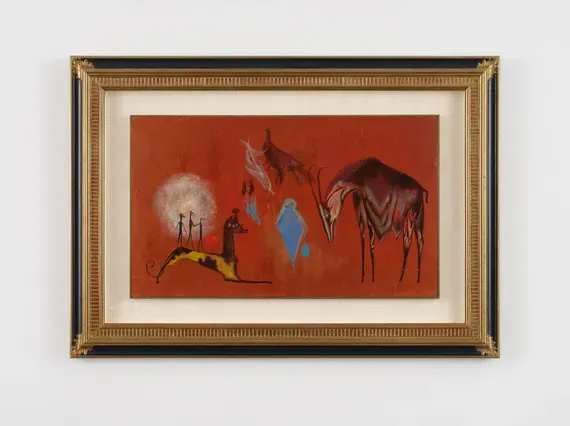
Leonora Carrington
Brothers
1953
Oil on 3 ply
54 x 90 cm90 x 128.5 x 5 cm (incl frame)
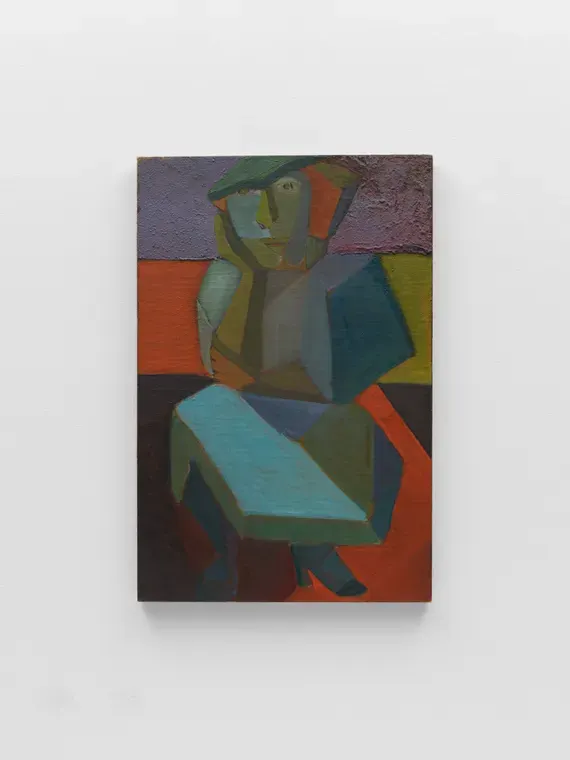
Carmen Herrera
Early Female Figure
1941
Oil and sand on canvas
91.4 x 60.3 x 2.5 cm
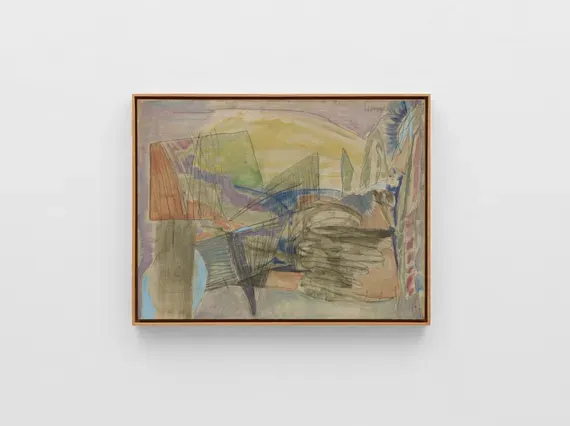
Carmen Herrera
Lignes Guidées
1951
Oil and pencil on canvas
50.8 x 66 x 2.5 cm53.3 x 68.6 x 4.4 cm (incl frame)
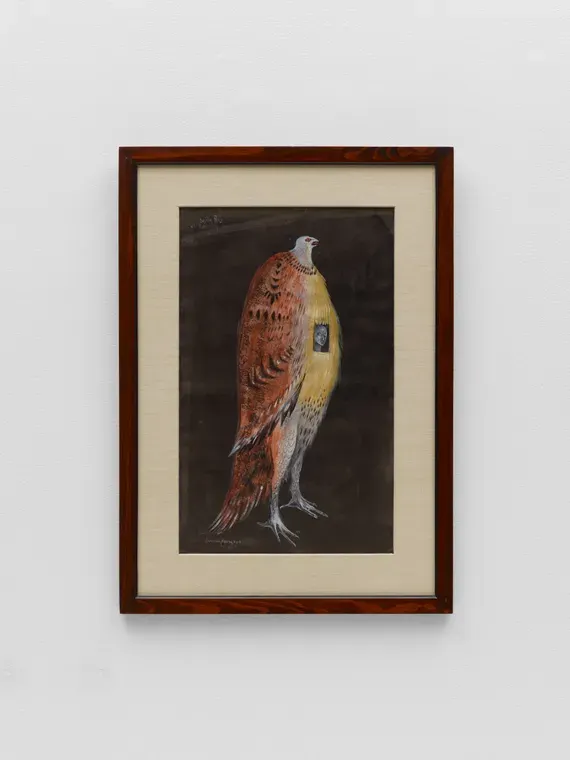
Leonora Carrington
Señor Ruiz el Ruiseñor
1967
Gouache on paper
37 x 59 cm77.8 x 55.6 x 1.9 cm (incl frame)
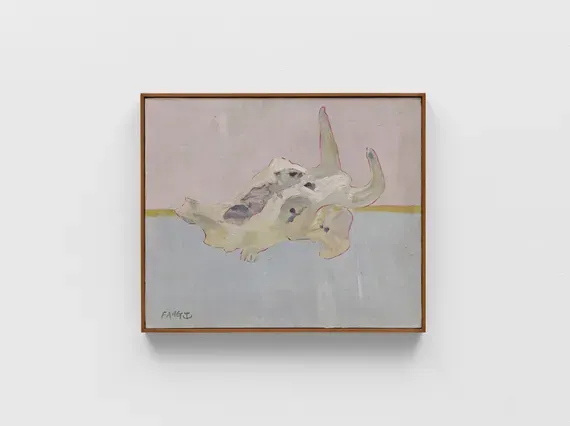
Chen Kong Fang
Untitled
1970
Oil on canvas
46 x 55 cm47.6 x 56.5 x 3.8 cm (incl frame)
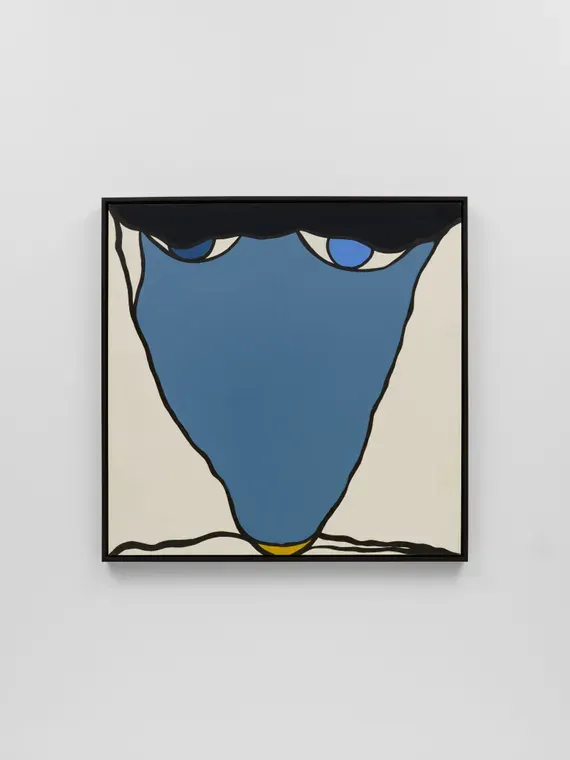
Huguette Caland
Untitled
1971
Oil on linen
118.1 x 116.8 cm122.2 x 122.2 x 4.8 cm (incl frame)
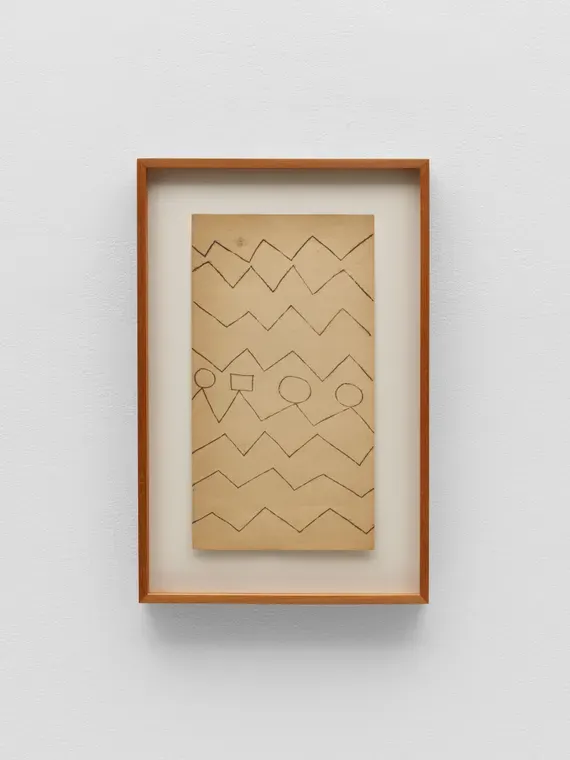
Mira Schendel
Untitled
c. 1964-65
Oil on paper
38 x 20.5 cm50.2 x 32.7 x 4.1 cm (incl frame)
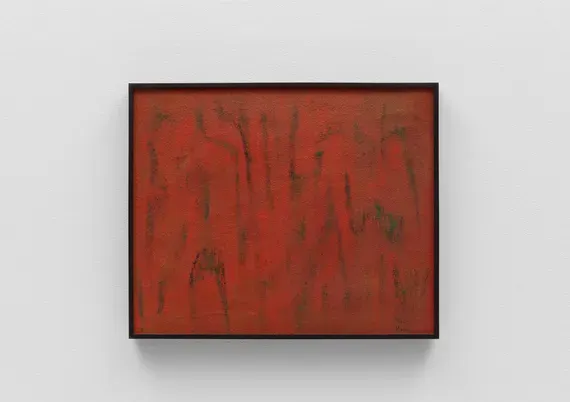
Alice Rahon
Untitled
c. 1960
Oil and sand on artist board
48.3 x 58.4 cm49.8 x 60.3 x 3.8 cm (incl frame)
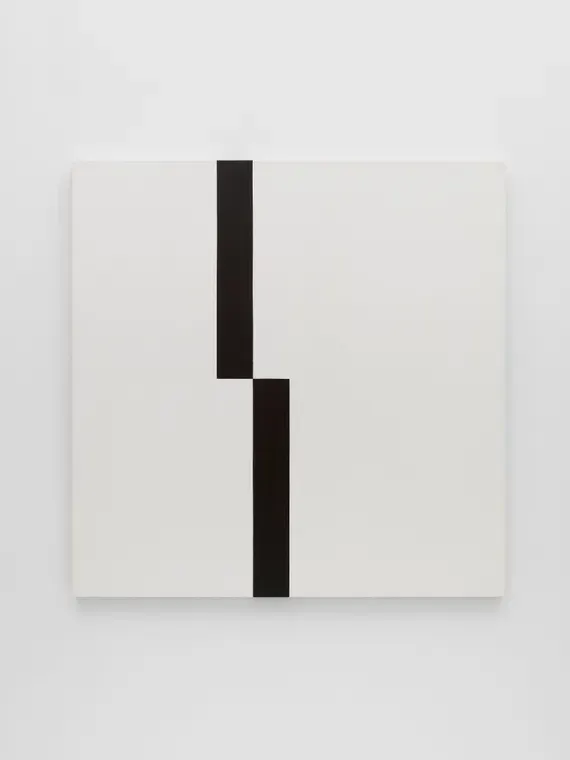
Carmen Herrera
Untitled
1970
Acrylic on canvas
121.9 x 121.9 x 3.2 cm
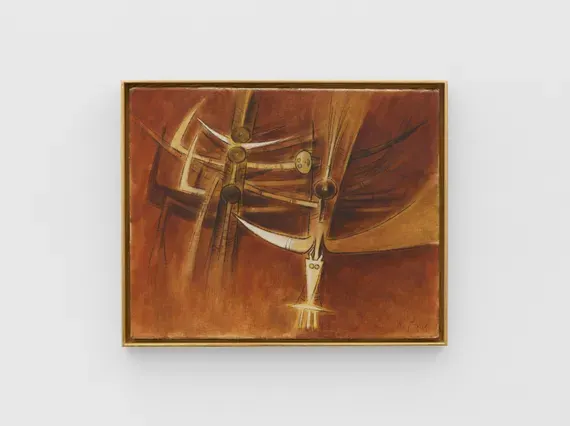
Wifredo Lam
Untitled
1959
Oil on canvas
45.4 x 55.9 x 2.2 cm48.6 x 59.1 x 3.5 cm (incl frame)
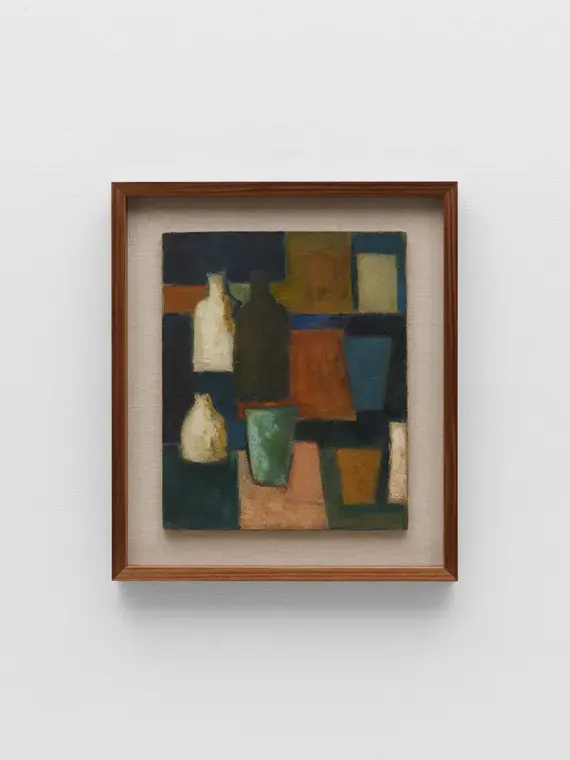
Mira Schendel
Untitled
c. 1950
Tempera on canvas
45.7 x 38.1 cm61 x 53.3 cm (incl frame)
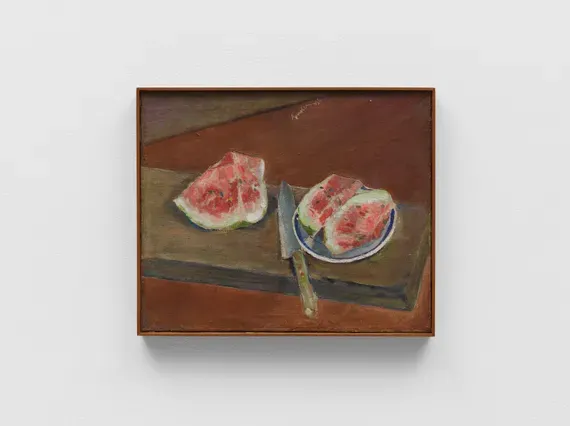
Chen Kong Fang
Untitled
1956
Oil on canvas
38.1 x 45.7 cm39.4 x 47 x 4.1 cm (incl frame)
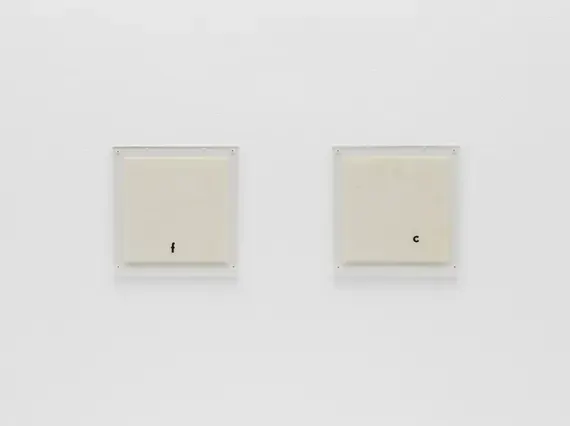
Mira Schendel
Untitled
1970
China ink and letraset on rice paper
22.9 x 22.9 cm27.9 x 27.9 x 0.6 cm (incl frame)Dimensions variable
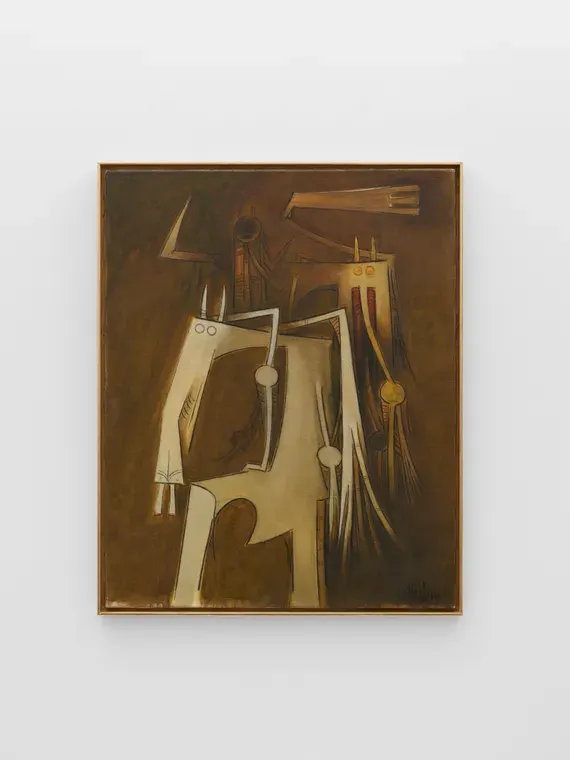
Wifredo Lam
Untitled
1964
Oil on canvas
92.4 x 73 x 2.5 cm95.3 x 76.2 x 4.1 cm (incl frame)
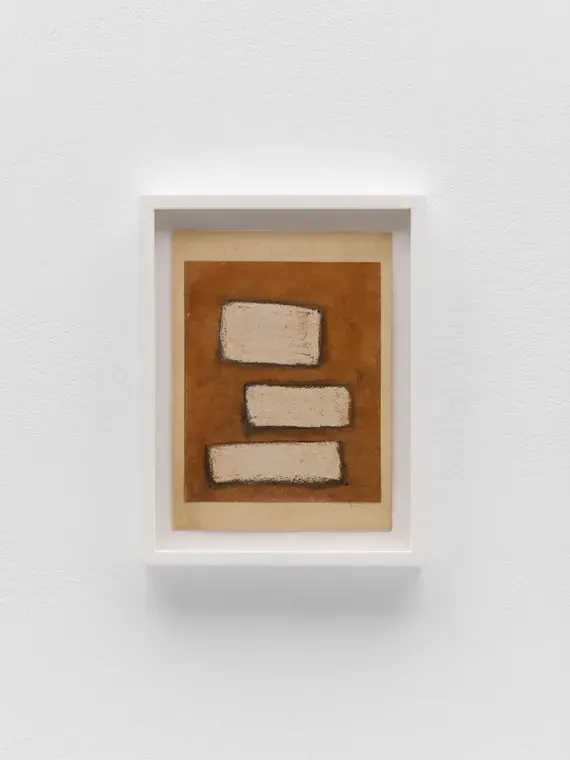
Mira Schendel
Untitled
c. 1963
Tempera and varnish on paper on cardboard
21 x 15.9 cm26.4 x 20.3 x 3.2 cm (incl frame)
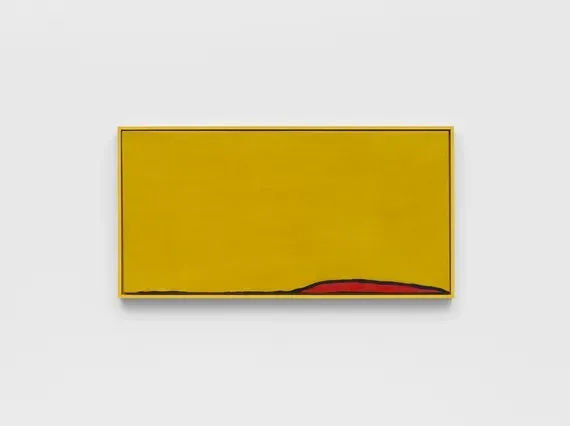
Huguette Caland
Untitled (pre-bribes de corps yellow)
1968
Oil on canvas
49.5 x 100.3 x 2.5 cm