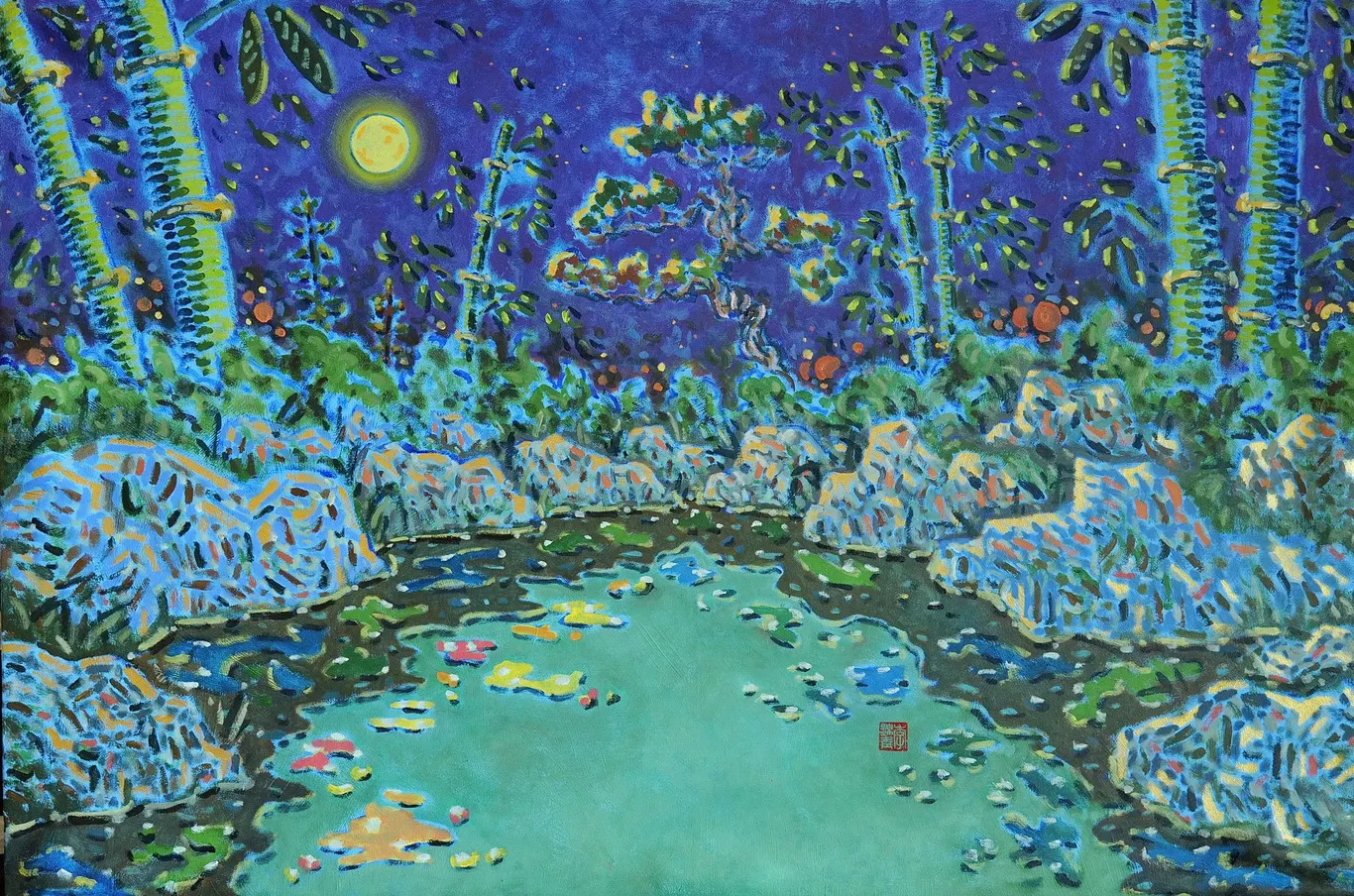
October 24 to November 6, 2026
Tang Contemporary Art, Room. 201–206, River City Bangkok, 23 Soi Charoenkrung 24, BangkokTuesday – Saturday 11 am – 7 pm Closed on Public Holidays
Tang Contemporary Art is pleased to present Between Memory and Becoming, a group exhibition, featuring Daneenart Burakasikorn, Lee Kam Ching (Lewis), and Julia Phetra Oborne, curated by Cynthia Liu, running from 24 October - 6 December 2026 in the Bangkok space. Bringing together three artists whose lives and practices move across different cultural, geographical and creative landscapes, but now all living and working in Thailand, this exhibition considers how identity is formed through memory, history, place and the constant movement between worlds. Daneenart Burakasikorn, Lee Kam Ching (Lewis), and Julia Phetra Oborne approach these questions from distinctly different perspectives, yet their practices converge in their exploration of what is inherited, remembered, imagined and continually reconstructed.
Rather than treating identity as fixed, the exhibition presents it as something fluid—shaped by personal experience as well as by histories that precede us. Across abstraction, landscape, and figurative fragments, the artists transform memory into visual language, revealing how individual histories intersect with broader cultural narratives. Their works suggest that multicultural experience is not simply a matter of occupying multiple cultural worlds; it is a process of continual translation, in which histories overlap, images migrate, and personal memory becomes inseparable from the larger narratives surrounding us.For Daneenart Burakasikorn, the movement is inward. After decades spent shaping images and visual identities within fashion and popular culture, painting has become a space of return—a means of looking beneath the constructed surface and toward something less resolved. Her canvases are formed through a restless cycle of accumulation and revision: painted, reworked, obscured and painted again. Brushstrokes move intuitively across the surface, gathering rhythm and momentum, while fragments of colour and gesture appear to hold contradictory emotional states and memories in suspension.Love and fear, chaos and peace, vulnerability and control are not presented as opposites but as conditions that can coexist. Her paintings remain open-ended, refusing a singular reading. What appears abstract and deeply personal becomes, in the encounter with the viewer, something shared. The canvas becomes a space of projection and recognition, where one person’s internal landscape and memories may encounter another’s.If Daneenart turns toward the interior, Lewis Lee looks outward, toward landscapes charged with memory. Born in Hong Kong, Lee’s experience of movement informs a practice in which geography becomes inseparable from ancestry, bringing them into his paintings, installations and photographs. Now based in Bangkok, his practice looks to the landscape of Hong Kong’s borderlands as a site where personal memory encounters colonial history, migration and rapid urban transformation. His landscapes are neither straightforward records of place nor purely imagined worlds. Instead, they occupy an uncertain space between the remembered and the invented, allowing fragments of family history and inherited experience to coexist with the changing environments of the present. Through a surrealistic yet playful style, Lee illustrates traces left by previous generations and the ways in which these traces become part of an individual’s understanding of self.Julia Phetra Oborne, a British-Thai artist based between Bangkok and London, similarly explores the meeting point between different cultural histories and forms of storytelling. Drawing from natural forms, cultural objects, Thai myths, folklore and fairytales, she gathers visual motifs that have crossed generations and cultures. Gardens and woodlands, plants and artifacts, fragments of stories and symbolic forms become material for dream-like paintings in which different temporalities and cultural associations are allowed to coexist. Her paintings are constructed through accumulation and erasure, revealing and concealing imagery through layers of colour and mark-making. In her recent work, grids of squares or tiles provide a framework for fragmented scenes, functioning simultaneously as a structure and a mechanism of disruption. Within these unstable spaces, memory, everyday experience and fiction overlap, suggesting that recollection itself is never entirely whole or certain, and these scenes exist between familiar yet ambiguous time and space.Together, the three practices propose different ways of thinking about cultural identity in an increasingly interconnected world. Their works do not present multiculturalism simply as a coexistence of separate cultures, but as an ongoing process of exchange, translation and transformation. Hong Kong, Bangkok, London and other places appear not merely as geographic locations, but as accumulated spaces of experience—carrying histories, migrations, family narratives, cultural references and personal associations.History, in these works, is therefore not distant or static. It lives within landscapes, bodies, objects, gestures and stories. Memory similarly operates not as an exact record of the past, but as something continually reconstructed from fragments. Through painting and installation, the artists make visible this process of remembering and reimagining, where what is inherited can be questioned, transformed and made personal.At the center of the exhibition is the idea that identity is always in formation. It emerges through encounters between past and present, between one place and another, and between individual experience and collective history. By bringing together three artists from different cultural and professional backgrounds, the exhibition creates a space for these narratives to intersect—revealing not only the differences between them, but also the shared human impulse to understand where we come from, what we carry with us, and how we might continually reinvent ourselves. Text by Cynthia Liu
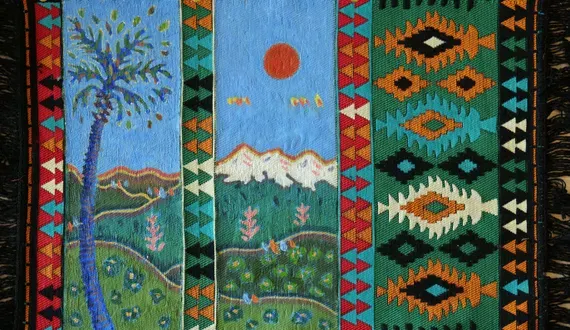
Lewis Lee
Blazing Sun
2026
Oil and Aokin gouache on Alpujarra rug
60 x 90 cm
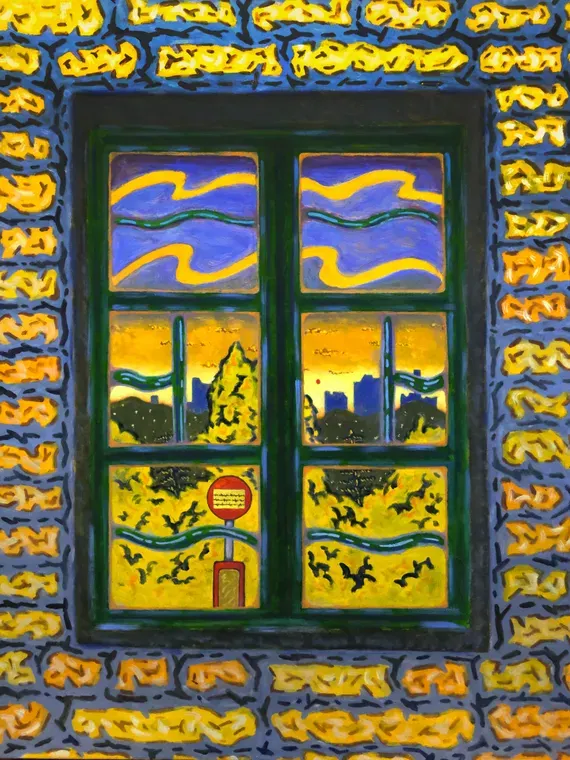
Lewis Lee
Blue Hour
2024
Oil on fabric
90 x 70 cm
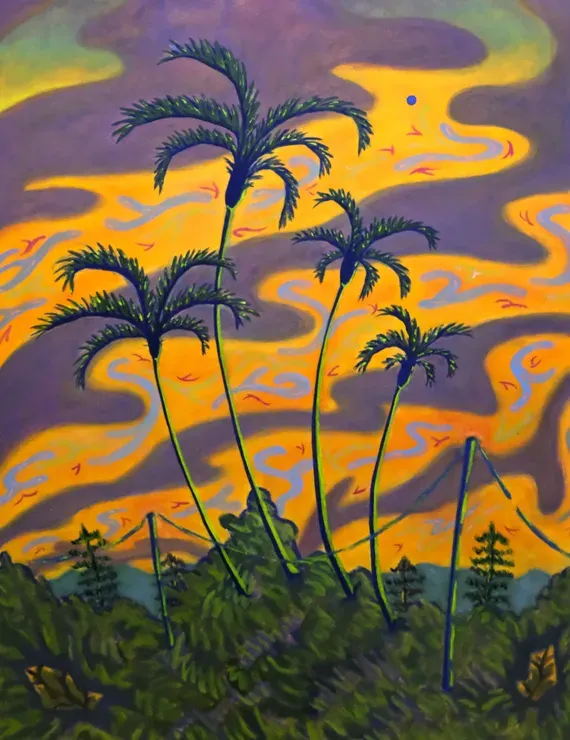
Lewis Lee
Cooking by Nightfall
2024
Oil on canvas
90 x 70 cm
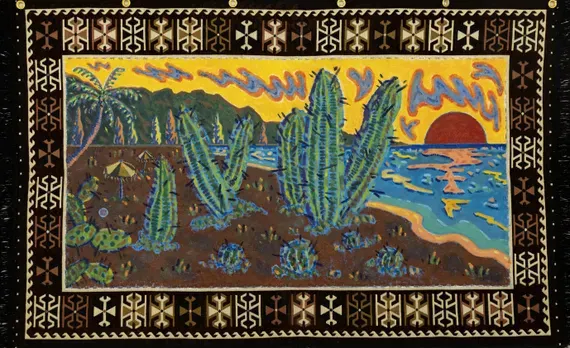
Lewis Lee
Costa del Sol
2026
Oil on Alpujarra rug
120 x 190 cm
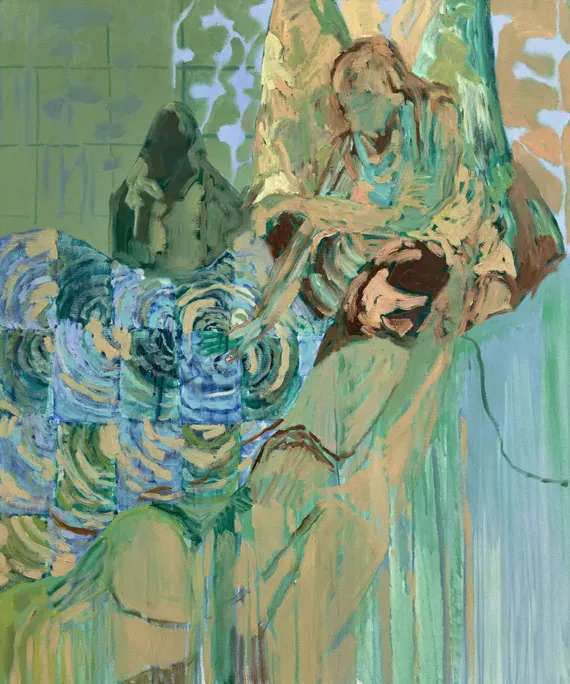
Julia Phetra Oborne
Full Moon
2026
Oil on canvas
120 x 100 cm
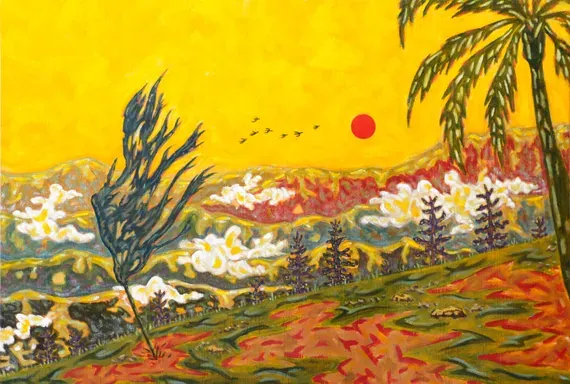
Lewis Lee
Golden Hour
2025
Oil on Lanna textile
100 x 150 cm
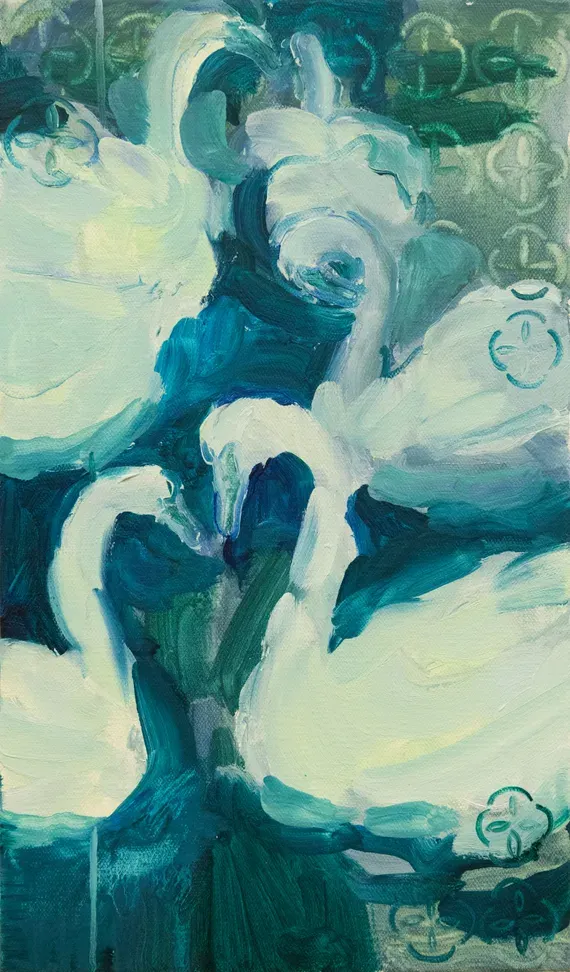
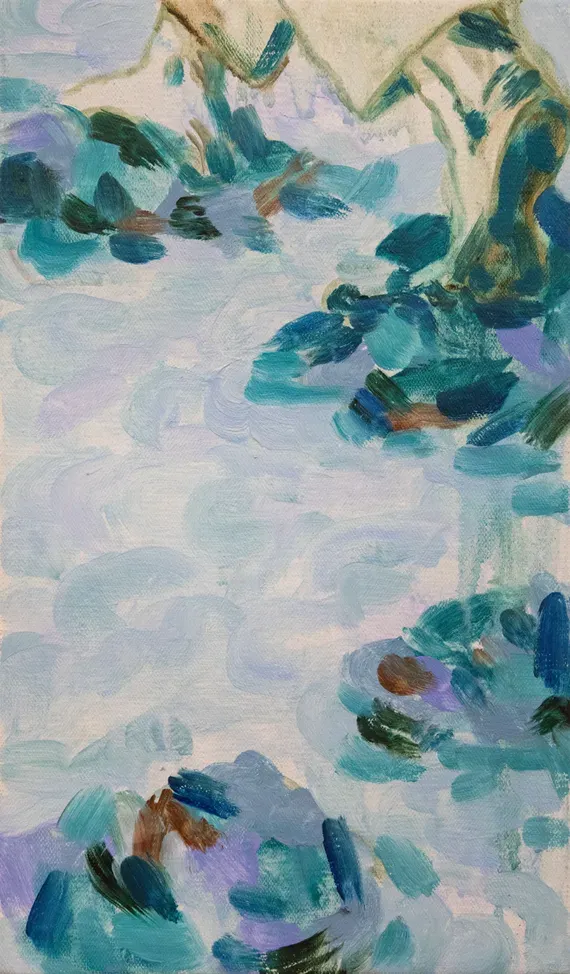
Julia Phetra Oborne
Journey in the Clouds (Study 1)
2026
Oil on canvas
40 x 23.5 cm
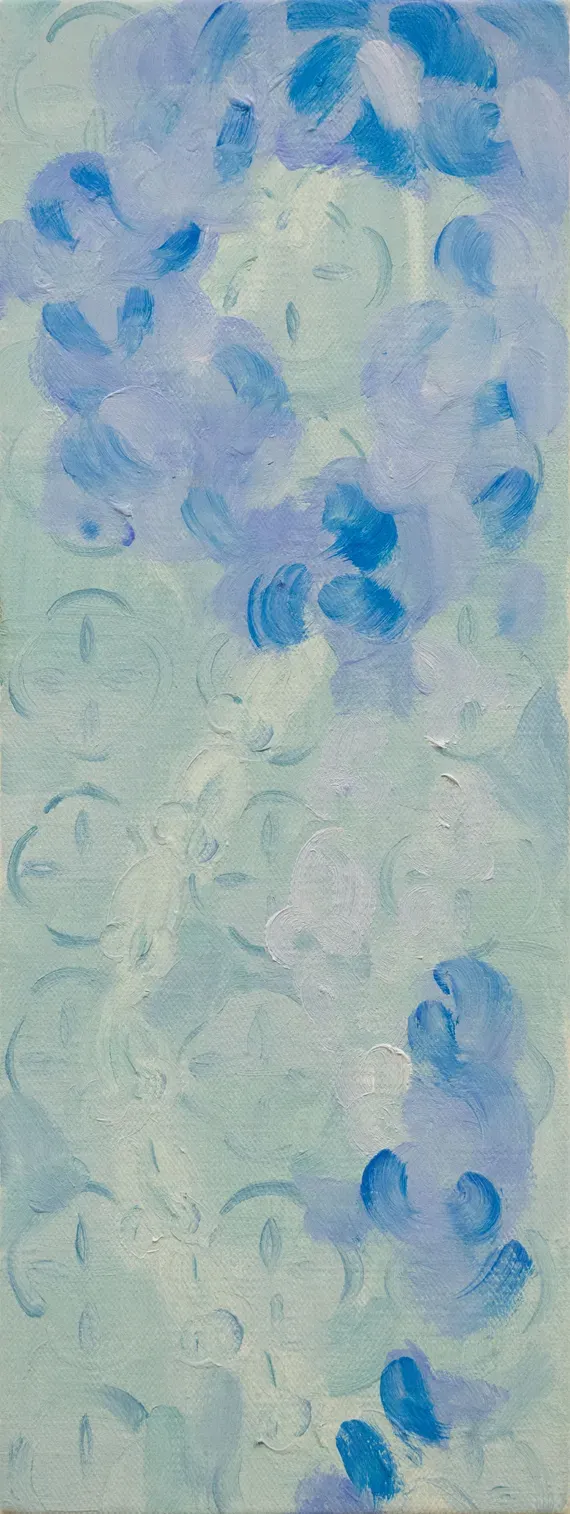
Julia Phetra Oborne
Journey in the Clouds (Study 2)
2026
Oil on canvas
40 x 23.5 cm
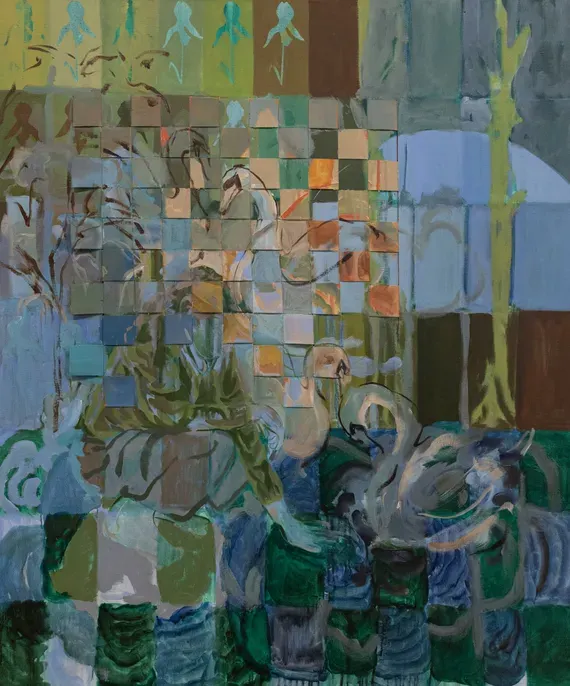
Julia Phetra Oborne
Malai (Study)
2026
Oil on canvas
40 x 15 cm
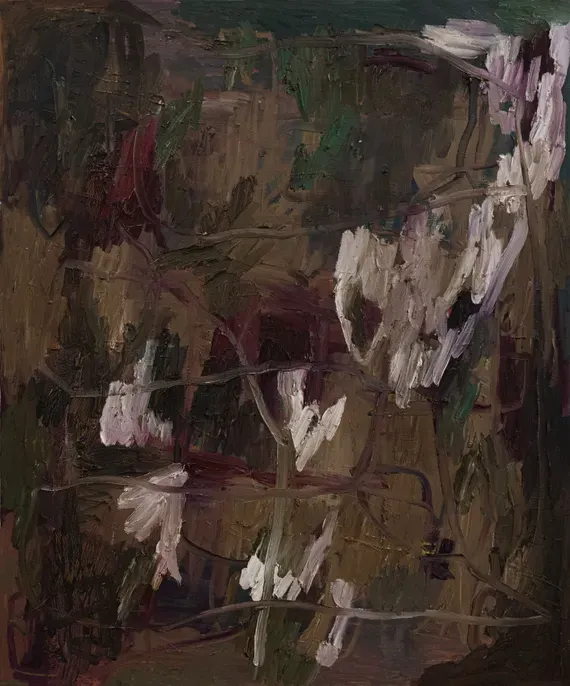
Julia Phetra Oborne
Midnight Walk
2026
Oil on canvas
120 x 100 cm
Daneenart Burakasikorn
What Remains 1
2026
Oil on canvas
120 x 100 cm
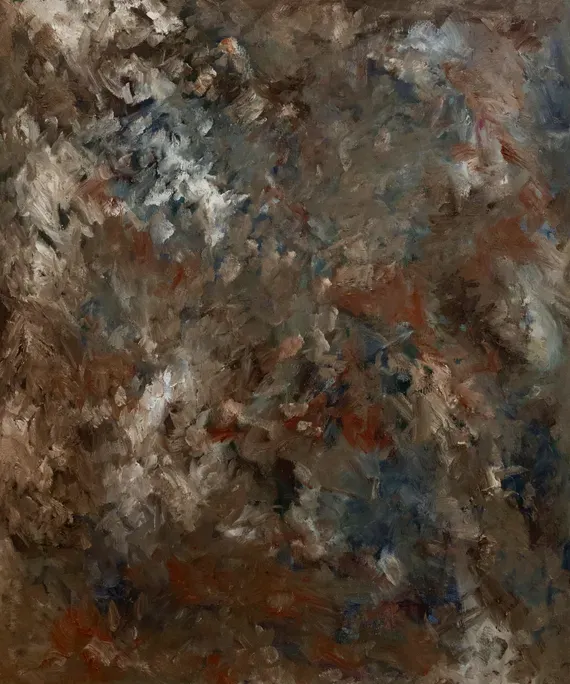
Daneenart Burakasikorn
What Remains 2
2023
Oil on canvas
120 x 100 cm
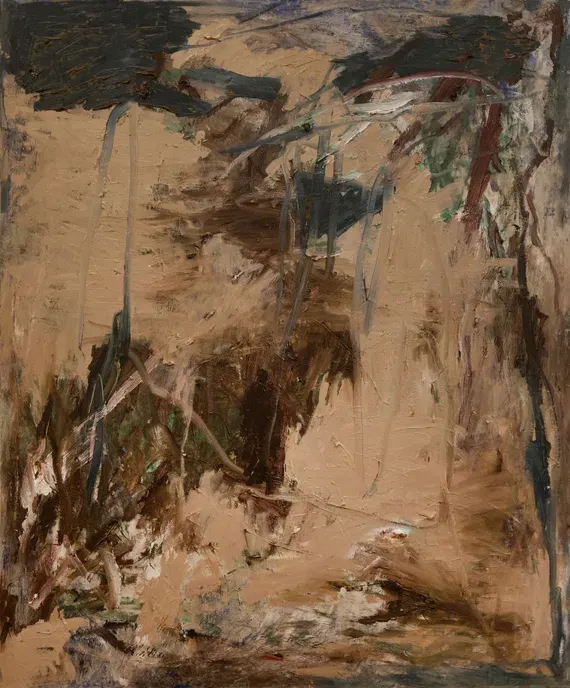
Daneenart Burakasikorn
What Remains 3
2024
Oil on canvas
120 x 100 cm
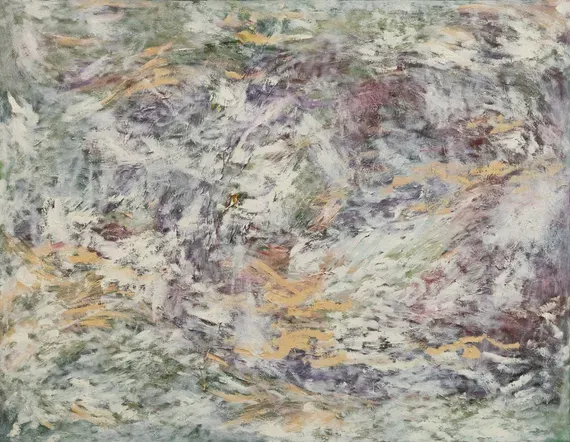
Daneenart Burakasikorn
What Remains 4
2023
Oil on canvas
140 x 180 cm
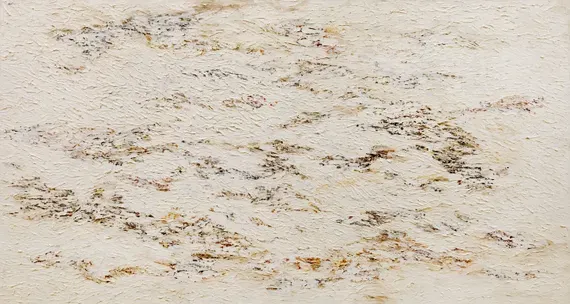
Daneenart Burakasikorn
What Remains 5
2025
Oil on canvas
130 x 240 cm
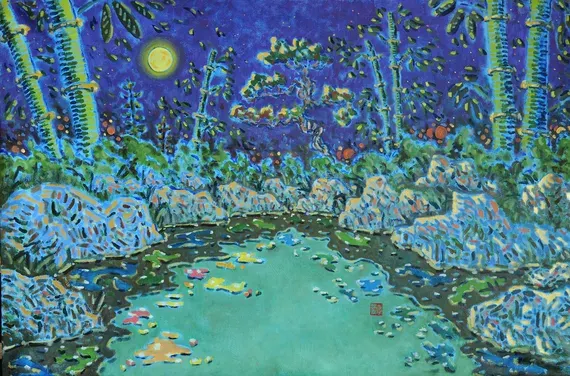
Lewis Lee
Whimsical Onsen
2026
Oil and Aokin gouache on sakabukuro canvas
97 x 146 cm