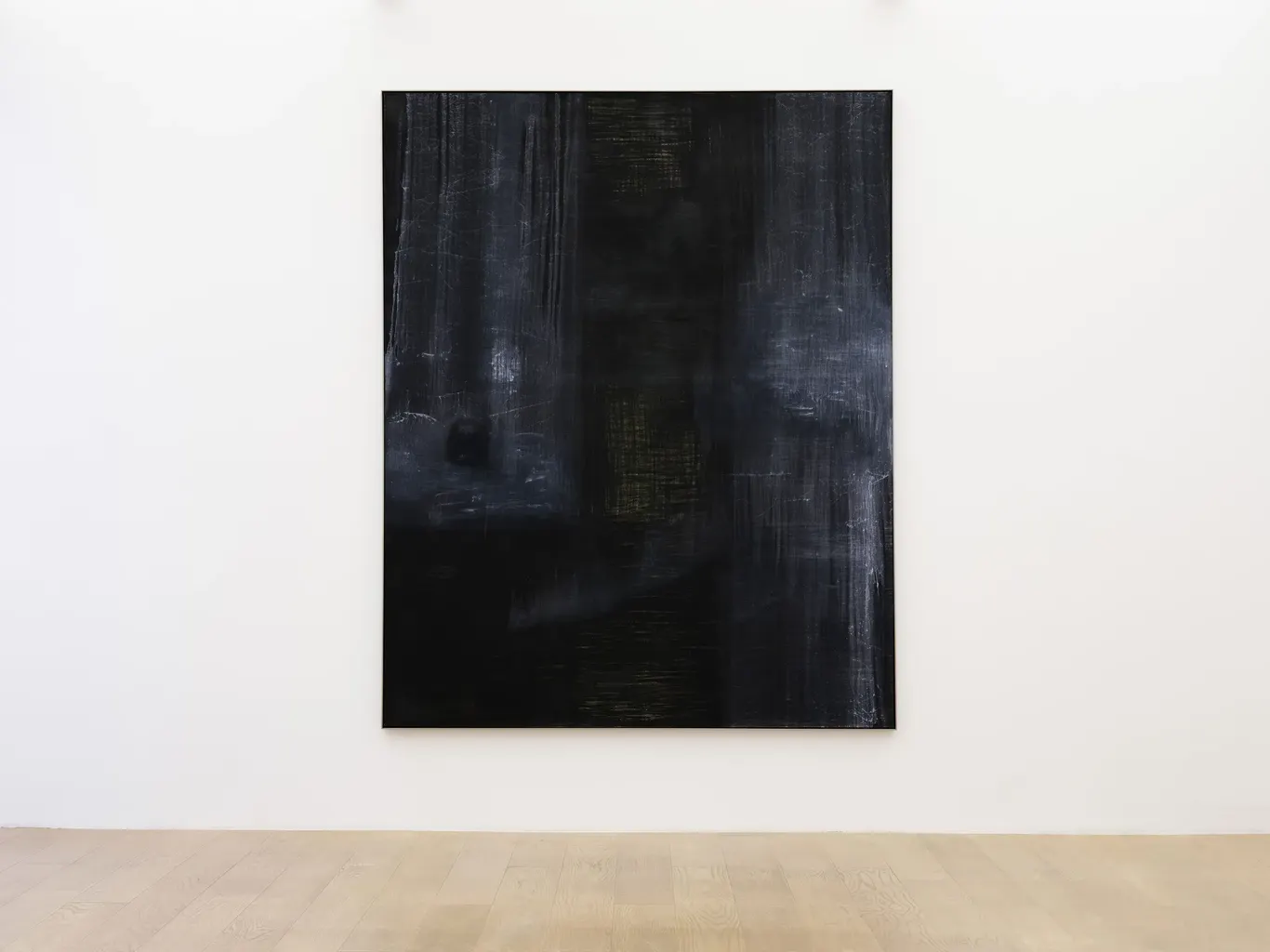
Zhao Zhao
November 7 to December 13, 2026
Tang Contemporary Art, D06, 798 Art District, No.2 Jiuxianqiao Road, BeijingNovember – April Tuesday – Sunday 11am – 5:30pm May – October Tuesday – Sunday 11am – 6:30pm
Tang Contemporary Art is pleased to present After the Reversal, a new solo exhibition by artist Zhao Zhao, opening at 4 pm on Saturday 7 November at its Beijing 1st Space.
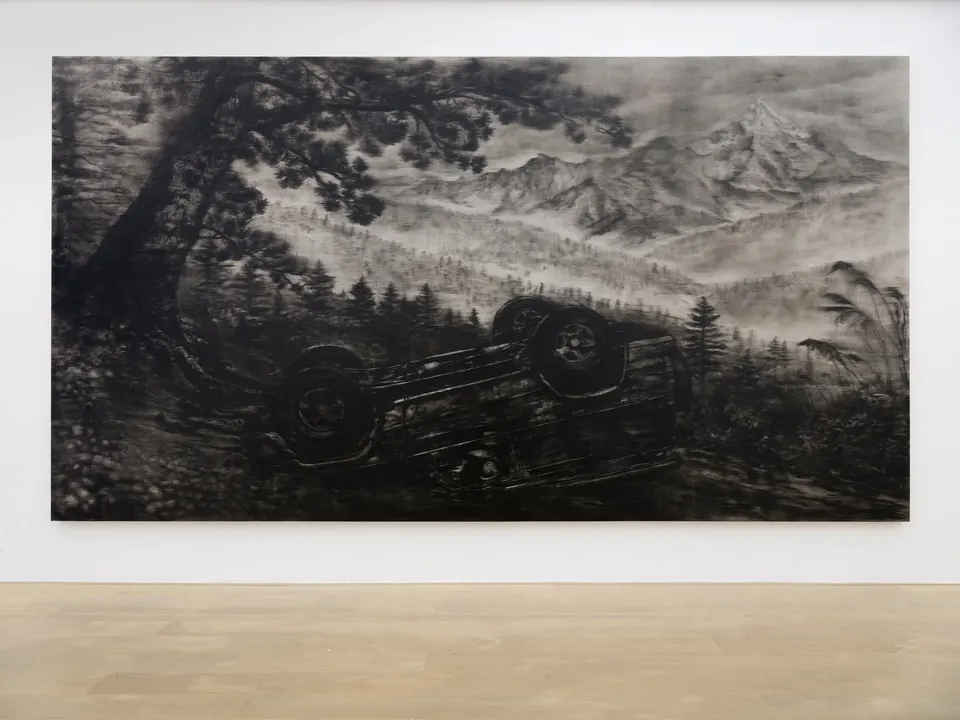
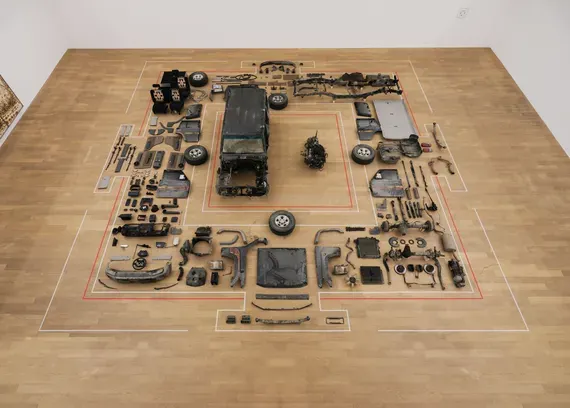
The exhibition takes its starting point from an unexpected yet ultimately harmless car accident that occurred while Zhao Zhao was travelling towards the Himalayas. Along the journey, everything was supposed to move swiftly in its predetermined direction, towards the snow mountains and a destination shaped by faith. Then the wheels veered off course, and the world turned upside down. In that instant, Zhao Zhao came face to face with death, yet emerged completely unharmed. Heaven and earth were overturned. As the dust settled, he found himself suspended in an inverted position on a mountain road. He later spoke of the incident lightly, as though it were something that should not be overinterpreted: “It was simply about letting go of an attachment.” It is precisely this lightness that transforms the “reversal” from an accident along the journey into a rupture and a renewal of one’s position of seeing. When the sense of control loosens, and the reality of life and death suddenly becomes palpable, the world appears for the first time in a way that is no longer hurried or predetermined. As Zhao Zhao puts it, after the reversal, it was as if a door to the world had suddenly swung open with a “snap.”This opening does not romanticize the disaster, but translates what remains after the disruption of everyday order into the structure of a spiritual space. Within the Tibetan context, the mandala symbolizes the cycles of formation, abiding, decay, and emptiness. Zhao Zhao regards it as a way of contemplation through which all things can be perceived as different manifestations of the mandala. Thus, mechanical fragments recovered from the accident are reassembled within the exhibition space, stripped of their everyday functions and returned to pure structures. The radical transformation of materials introduces another layer of tension. When uncontrollable forces intervene, wounds become images, and ashes give rise to new life. Life and death are no longer simple opposites, but two sides of the same whole, each containing the other.This questioning of life is deeply rooted in Zhao Zhao’s connection with the western regions of China. From riding into Tibet with a companion at the age of seventeen to confronting life and death through an accident years later, his artistic practice has shifted from observation towards a more fundamental understanding of existence. His trajectory has never been a romanticized wandering through the wilderness. From venturing into the unknown alone in his early years to being forcibly brought to a halt at high speed today, he has used his own body to collide with the boundaries of systems. In conventional experience, overturning and rupture are synonymous with disaster. In Zhao Zhao’s artistic expression, however, reversal becomes an act of penetration. It penetrates not only the journey itself, but also modern civilization’s deeply rooted faith in speed, direction, and control. When predetermined trajectories are broken and one is forced to confront vulnerability, the possibility of understanding the world anew emerges.After the Reversal marks another significant cross-media undertaking in Zhao Zhao’s practice. Painting, installation, and material experimentation resonate with one another, while secular experience and spiritual imagination permeate each other. He expands a moment of personal loss of control into a universal human condition: the experience of facing the unknown and the possibility of being overturned. Between overturning and reconstruction, the exhibition invites us to experience a way of seeing that is shattered by the unexpected, only to gather itself anew. “After the reversal” is not simply about the relief of having survived a disaster, but about a more radical shift in perspective. We are no longer conquerors of the world, but a single grain of dust within the mandala—one that is itself observed, and that may also be scattered by the wind and sand.
Zhao Zhao
After the Reversal
2026
Oil on canvas
260 x 480 cm
Zhao Zhao
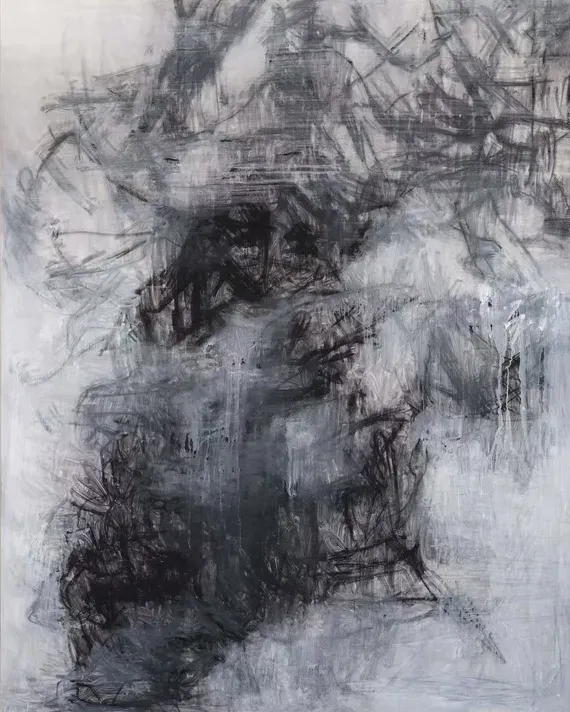
Untitled
2026
Oil on canvas
250 x 200 cm
Zhao Zhao
Untitled · Mandala
2026
Mixed media, variable dimensions
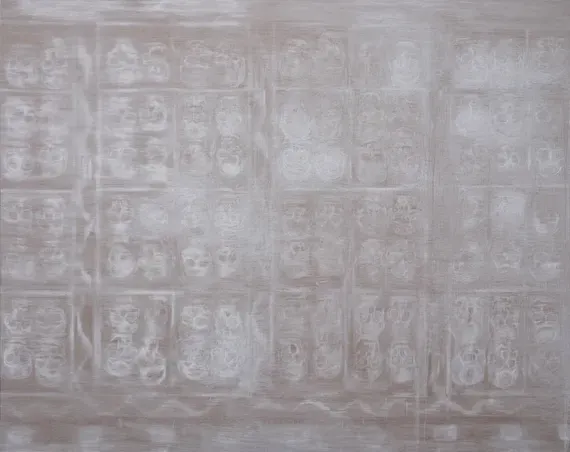
Zhao Zhao
Untitled, 1.9.2026
2026
Oil on canvas
200 x 250 cm
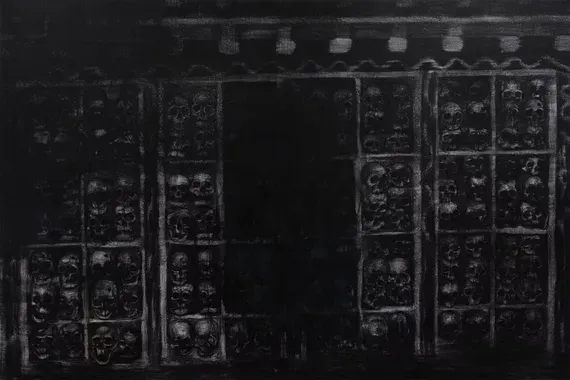
Zhao Zhao
Untitled, 26.8.2026
2026
Oil on canvas
200 x 300 cm
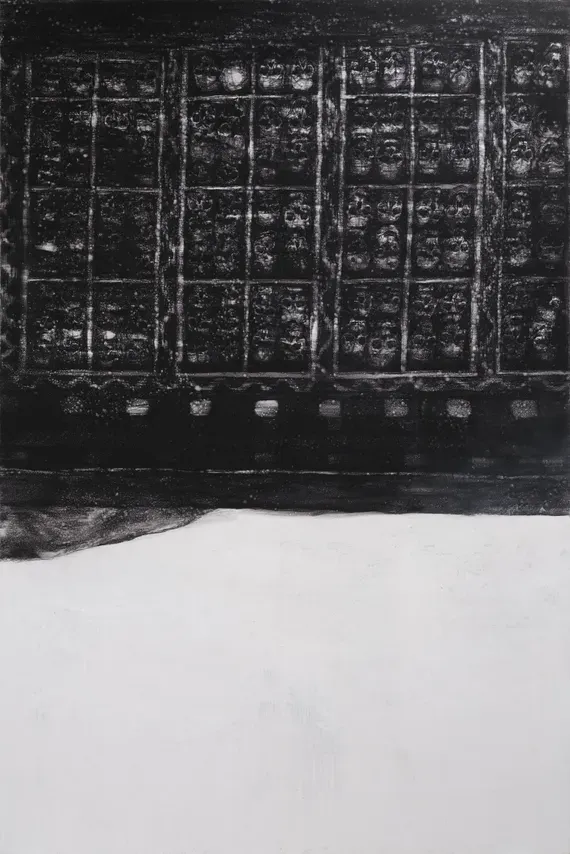
Zhao Zhao
Untitled, 28.8.2026
2026
Oil on canvas
300 x 200 cm
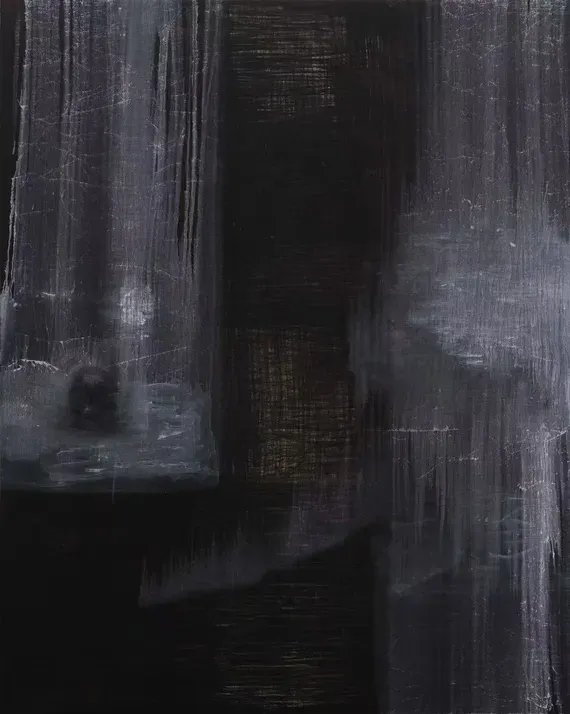
Zhao Zhao
Untitled, 30.8.2026
2026
Oil on canvas
250 x 200 cm