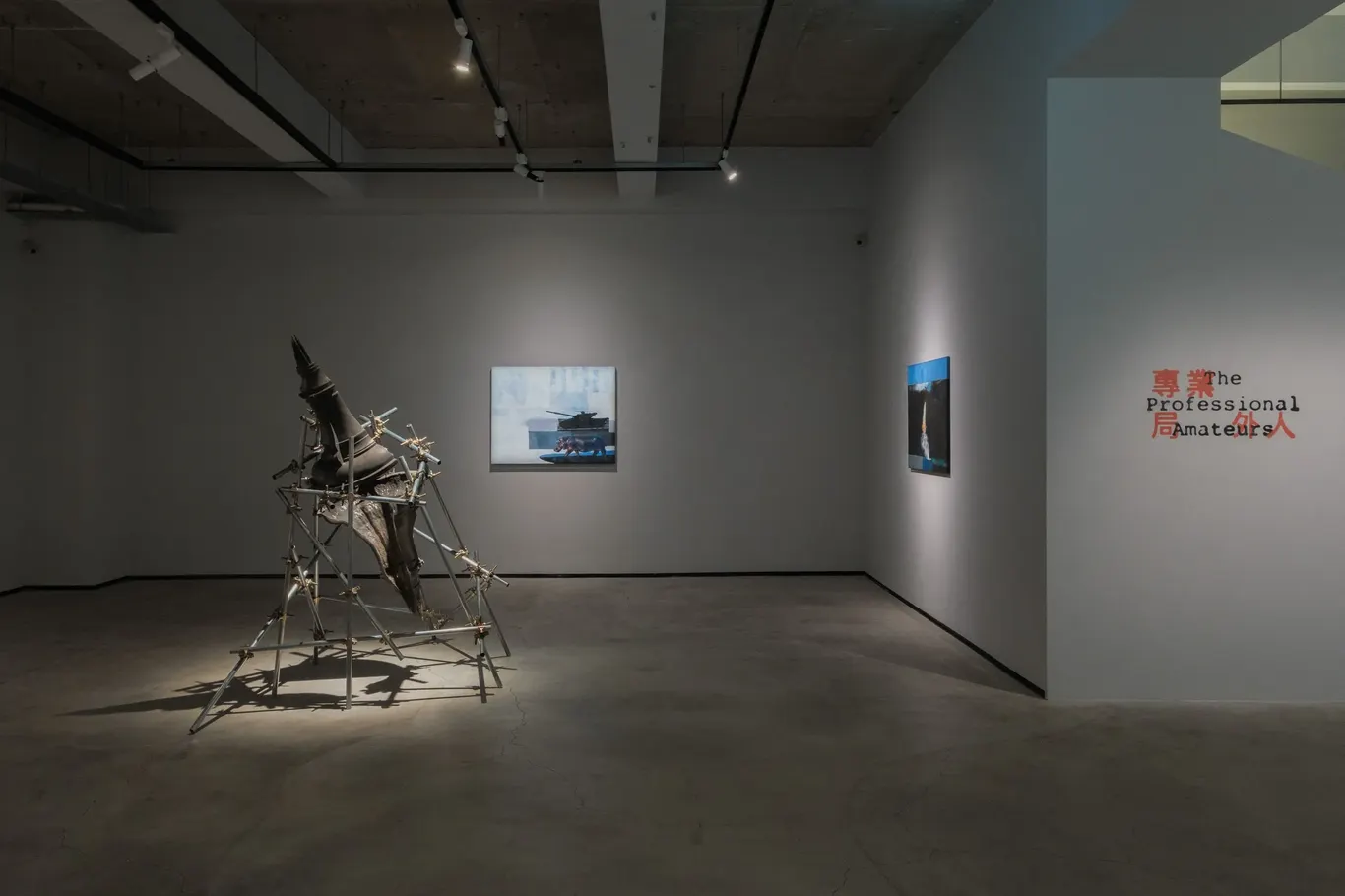
August 22 to October 31, 2026
TKG+ Projects, 2F, No. 15, Ln. 548, Ruiguang Road, TaipeiTuesday – Saturday 11am – 7pm
The Professional Amateurs originated from a proposal by Oli Huang, exhibition coordinator at TKG+ Projects. Centered on institutional mechanisms and identity, the exhibition draws on his years of experience working within the contemporary art field. Reflecting on his position in the fragmented hours outside of work, Huang came to ask: when an exhibition professional also assumes the role of an artist and stands on the other side of the institutional structure, does “professionalism” still belong exclusively to the institution? Developed from this inquiry, the exhibition brings together five artists—Lin Kuan-Ming, Yang Hui-Ching, Syu Jia-Jhen, Oli Huang, and Cheng Po-Tsung—whose practices examine different aspects of institutional operation and explore how individuals shaped by such structures navigate shifts in identity.
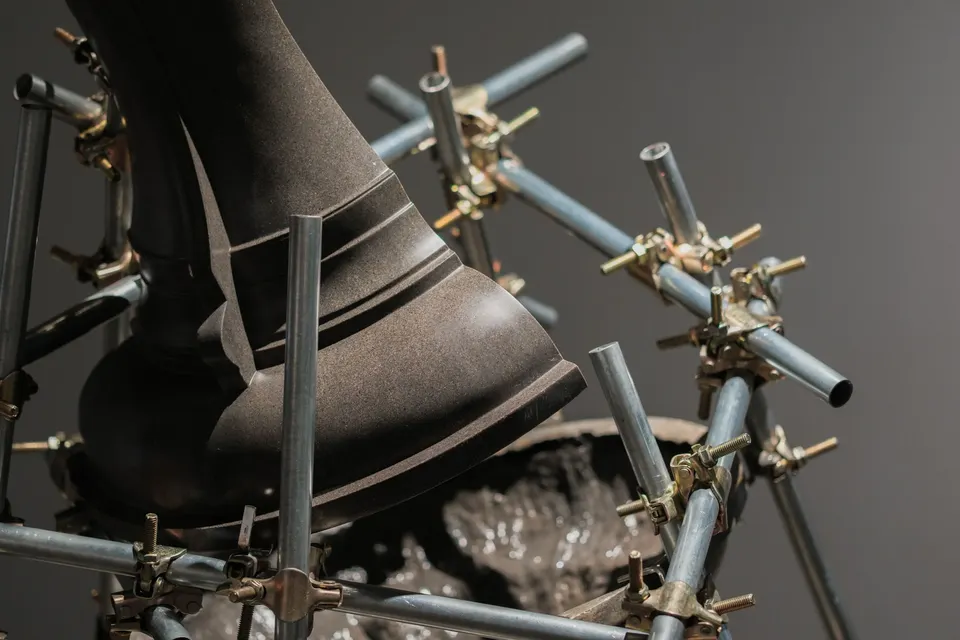
Market Mechanisms: Institutional Decision-Making and the Politics of Artistic VisibilityWithin contemporary art’s institutional and market structures, galleries function as cultural intermediaries, shaping how artists enter public view. Through their collector networks, galleries select and represent artists, establish pricing, and determine how artworks first acquire economic value in the primary market. Selection therefore produces a double effect: chosen works gain visibility and enter institutional, scholarly, and public discourse, while others may remain outside the dominant field of recognition. In this system, visibility is itself a political and economic choice.Curator Oli Huang notes that, in defining “professionalism” and “quality,” galleries often respond to market expectations by translating diverse artistic practices into recognizable and marketable categories. Our understanding of art has long been shaped by academic systems, bourgeois aesthetics, and the market logic sustained by public funding, galleries, and art fairs. Within this institutionalized ecology, such standards determine who is considered “professional,” “qualified,” or even “successful,” while constructing an invisible architecture of value that governs how artworks are classified and understood. This raises a fundamental question: can these criteria adequately account for the diversity of contemporary artistic practice? Precisely because they are so often taken for granted, they demand closer examination.The Curatorial Perspective of The Professional Amateurs: A Reappraisal of Exhibition PracticeA closer look at TKG+ Projects reveals how exhibitions are shaped through curatorial practice. Under Artistic Director and Curator Hsu Fong-Ray, a systematic departmental structure was established across exhibition planning, collections, production, sales, and marketing. This enabled the exhibition department to develop an internal curatorial framework in which exhibitions are collectively shaped through practical experience and diverse academic perspectives. Exhibition work thus extends beyond execution into curatorial interpretation, institutional knowledge production, and the formation of cultural values.Within this context, Oli Huang has long researched and contextualized the practices of artists presented by the gallery. By taking the curatorial lead in this project, he brings this largely behind-the-scenes work into the foreground. Juxtaposing this institutional practice with part-time and cross-disciplinary practices at its margins, the exhibition reveals less visible mechanisms of the art industry. Here, the “outsider” position refers not only to the participating artists, but also to Huang’s own shift from arts administrator to curator—another way of reconsidering “professionalism” from within the institution.The Professional Amateurs: Artistic Practices Emerging from Everyday LifeIn contemporary art, “authenticity” often refers to practices rooted in lived experience and expressed through a direct, highly individual artistic language. Such practices may challenge conventional standards of style and technique, while resisting professional accreditation, market categories, and mainstream cultural norms. As the art market becomes increasingly homogenized, work perceived as authentic or outside established systems can appear both rare and highly desirable. Yet notions of the “pure” or the “outsider” often rely on reductive labels such as self-taught, part-time, turning the outsider into an imagined position of otherness that may also remain beyond market recognition. How, then, do these “professional amateurs” sustain their practices in everyday life, position themselves, and construct their own narratives?Lin Kuan-Ming draws on his background in graphic design and video, using photography as a “second vision.” Focusing on over-beautified imagery in public space, he captures everyday humor, shared labor, and traces of fading collective memory. Syu Jia-Jhen grounds his practice in the history of sculpture in Taiwan. Drawing on public monuments and traditional casting techniques, he reassembles fragments of lived experience into sculptural narratives that connect history, memory, and place. Cheng Po- Tsung creates small works on paper using everyday drawing materials. Repeated fragments of daily life form diary-like records and inner landscapes, where direct forms, warm tones, and fluid brushwork reveal subtle psychological rhythms.Yang Hui-Ching draws on her experience in children’s art education and theatre to develop a distinctive visual language. Her Blind Drawing series captures everyday perception through near- simultaneous observation and drawing, with loose yet precise lines creating a theatrical tension. Oli Huang, an exhibition coordinator at the gallery, returns to his artistic practice for this exhibition. Working in oil, he loosens perspective and central composition to reflect on the orthodoxies of painting and ideas of center and periphery within the art system.The Professional Amateurs bring together artists who sustain their practices alongside other professional roles, transforming experiences of work and everyday life into distinct visual languages. Their practices offer a way to reconsider shifting identities and institutional structures beyond a singular path of professionalization. Supported by economic independence, they retain greater flexibility in shaping their own artistic rhythms and positions. Their distance from established systems challenges fixed identity categories, exposes the limits of prevailing evaluative frameworks, and opens broader ways of understanding artistic value and success.
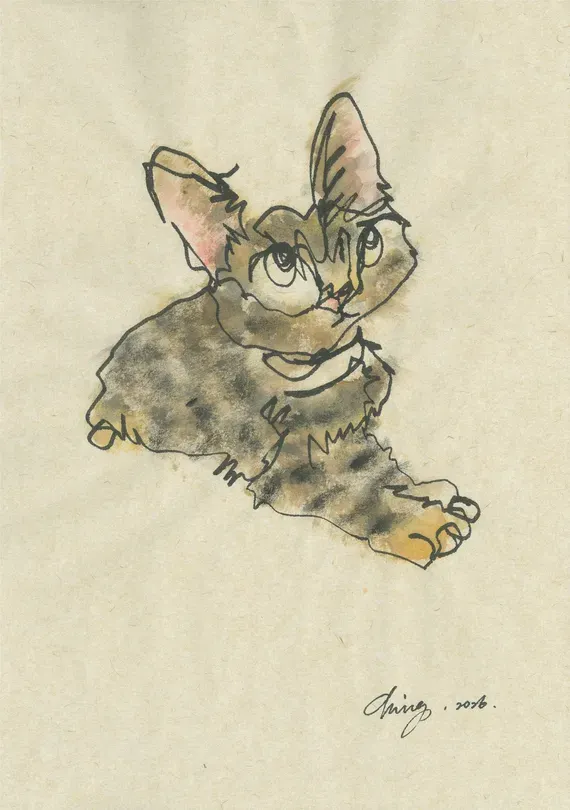
Yang Hui-ching
Cat
2026
Kozo paper and ink
29.7 x 21 cm
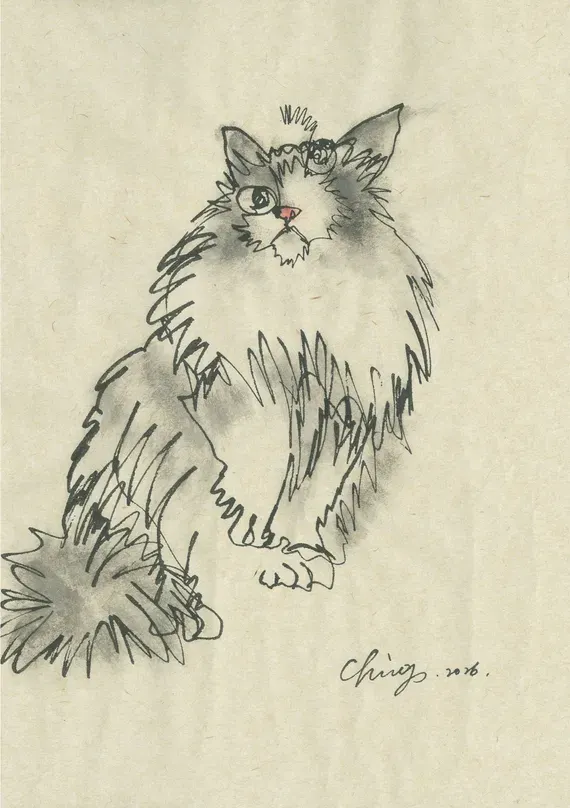
Yang Hui-ching
Cat
2026
Kozo paper and ink
29.7 x 21 cm
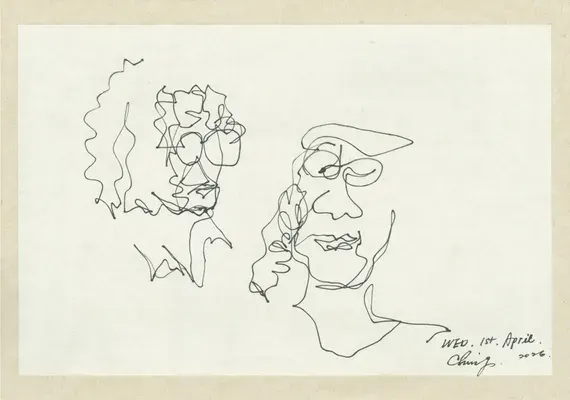
Yang Hui-ching
Husband and Wife
2026
Xuan paper, kozo paper, and ink
21 x 29.7 cm
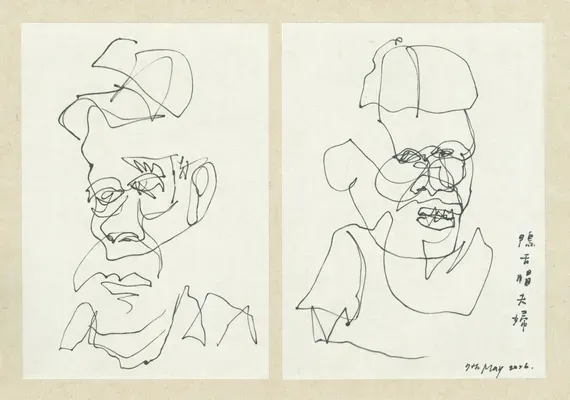
Yang Hui-ching
Person in Cap 1
2026
Xuan paper, kozo paper, and ink
21 x 29.7 cm
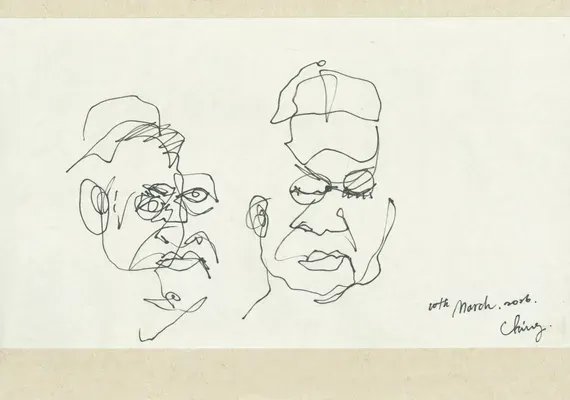
Yang Hui-ching
Person in Cap 2
2026
Xuan paper, kozo paper, and ink
21 x 29.7 cm
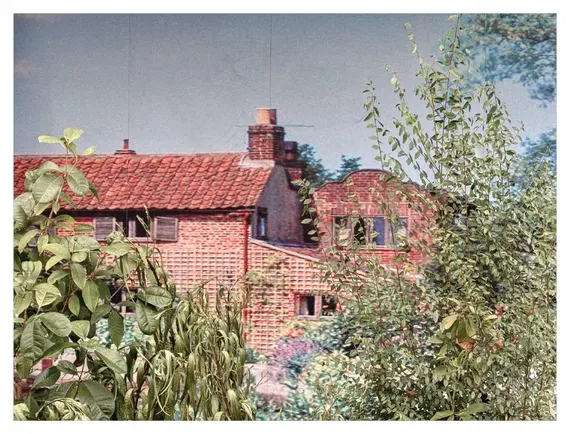
Lin Guan-Ming
Road, By the Road
2026
Giclée print
30.5 x 40.6 cm

Lin Guan-Ming
Road, Enjoy the Moment
2026
Giclée print
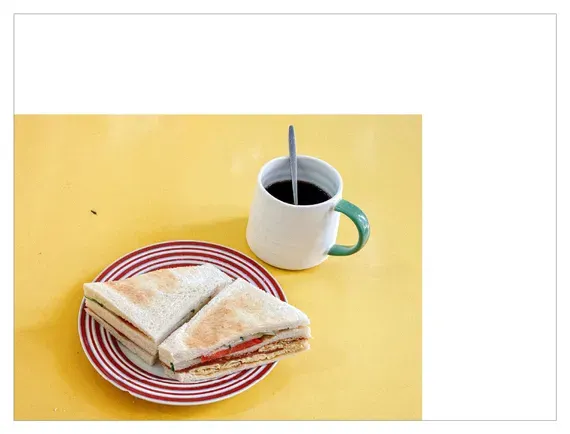
Lin Guan-Ming
Road, Every Day
2026
Giclée print
30.5 x 40.6 cm32 x 42 cm (incl frame)
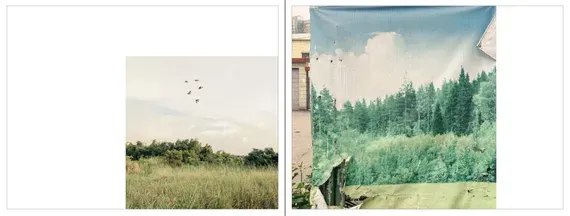
Lin Guan-Ming
Road, Landscape
2026
Giclée print
30.5 x 40.6 cmDimensions variable

Lin Guan-Ming
Road, Welcome
2026
Giclée print
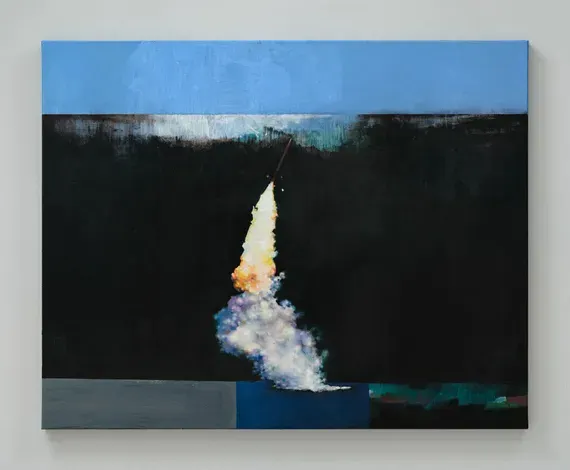
Oli Huang
The Flower
2025
Oil on canvas
80 x 100 cm
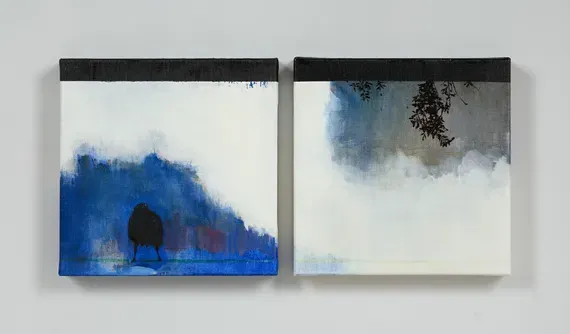
Oli Huang
The Mist
2026
Oil on canvas
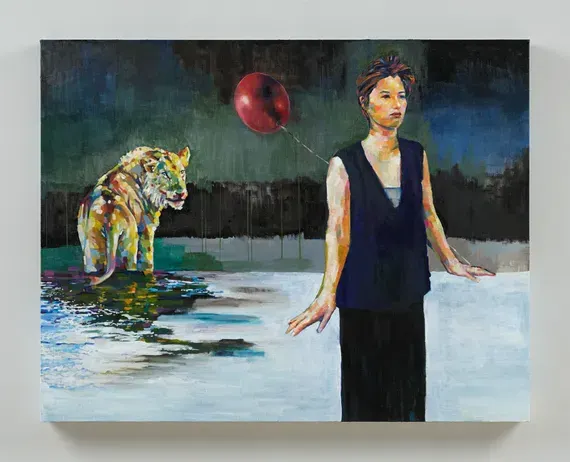
Oli Huang
Untitled
2026
Oil on canvas
91 x 116.5 x 5 cm
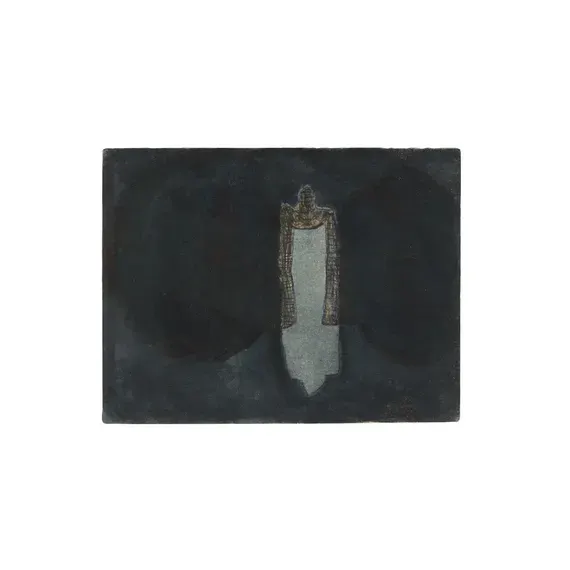
Cheng Po-Tsung
Untitled
2020-2026
Watercolour, ballpoint pen, paint marker, correction fluid (tape) on memo pad
7.6 x 10 cm
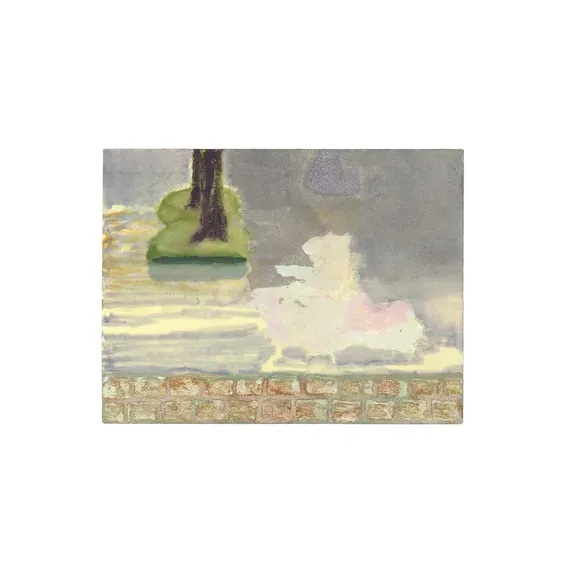
Cheng Po-Tsung
Untitled
2020-2026
Watercolor, ballpoint pen, paint marker, correction fluid (tape) on memo pad
7.6 x 10 cm
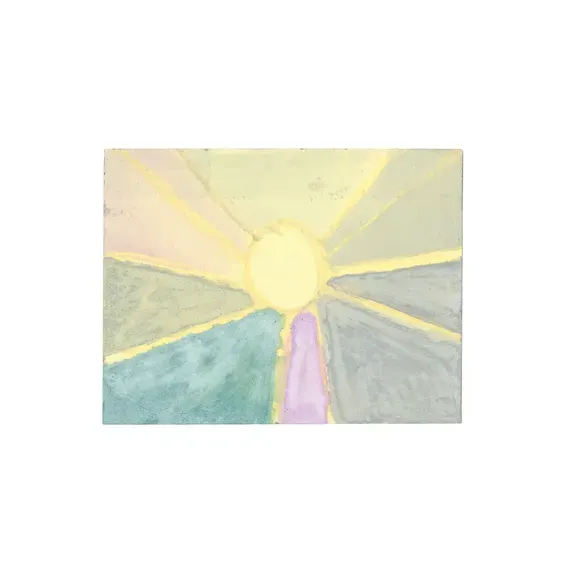
Cheng Po-Tsung
Untitled
2020-2026
Watercoloru, ballpoint pen, paint marker, correction fluid (tape) on memo pad
7.6 x 10 cm
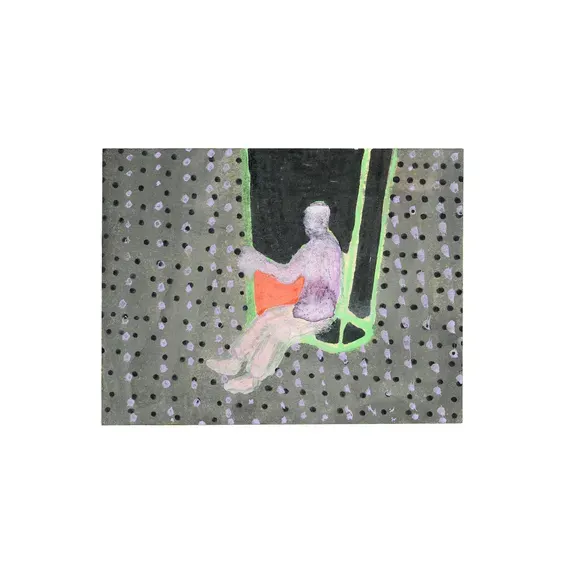
Cheng Po-Tsung
Untitled
2020-2026
Watercolor, ballpoint pen, paint marker, correction fluid (tape) on memo pad
7.6 x 10 cm
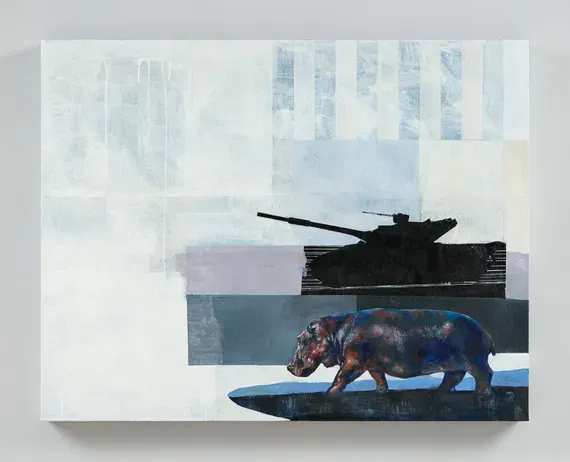
Oli Huang
Untitled
2025
Oil on canvas
91 x 116.5 cm
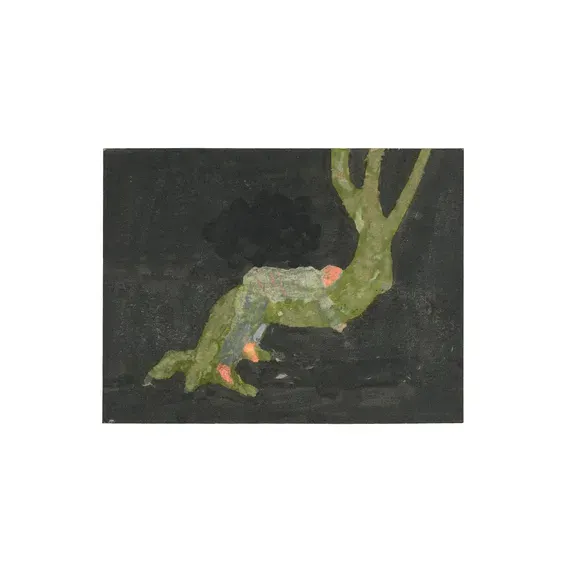
Cheng Po-Tsung
Untitled
2020-2026
Watercolor, ballpoint pen, paint marker, correction fluid (tape) on memo pad
7.6 x 10 cm